The Short Edit
Top Gangnam Neighborhoods for Long-Stay Medical Travel
Ten districts considered for the long convalescent stay — categorical, not ranked, observed at street level.
Gangnam unfolds the way Causeway Bay does on a humid August afternoon — vertical, layered, lit from within. For the medical traveller staying three to twelve weeks, the district is not one neighbourhood but ten distinct micro-cities, each with its own pace, lobby protocols and pharmacy hours. What recommends a long-stay address is rarely the same thing that recommends a weekend hotel. One needs a serviced lift, a quiet street for the convalescent walk, a pharmacist who recognises the regimen, and a café where reading at length goes unremarked. This guide — categorical, not ranked — surveys ten Gangnam neighbourhoods at street level. The differences are smaller than the brochures suggest, and far more consequential than the maps imply.
How we approached this neighbourhood survey
A neighbourhood survey, in the editorial sense, is a categorical reading of a place against a defined use case — here, the medical traveller staying twenty-one days or longer. The survey draws on published district profiles from the Seoul Metropolitan Government and Korea Tourism Organisation alongside on-the-ground observation across multiple visits between 2024 and 2026. Each neighbourhood was assessed against six categorical lenses: the texture of the street (loud, hushed, mixed); the density of serviced residences within a fifteen-minute walk; the availability of pharmacies operating after twenty-one hundred; the relative quiet of the convalescent walking loop; the presence of cafés tolerant of the long sit; and the ease of access to Gangnam Severance, Samsung Medical Centre and Asan Medical Centre by taxi. The lenses are descriptive, not scored — Lee Garden Three is not better than Pacific Place, only different, and the same logic governs Apgujeong against Yangjae. Pricing tiers ($, $$, $$$) reflect serviced residence rates against the wider Seoul market, not against any individual property. There is, deliberately, no league table. The patient choosing between Cheongdam and Sinsa is choosing between two valid but distinct experiences of recovery, and the brief is to render the distinction legible — nothing more.
Apgujeong-dong — the discreet luxury default
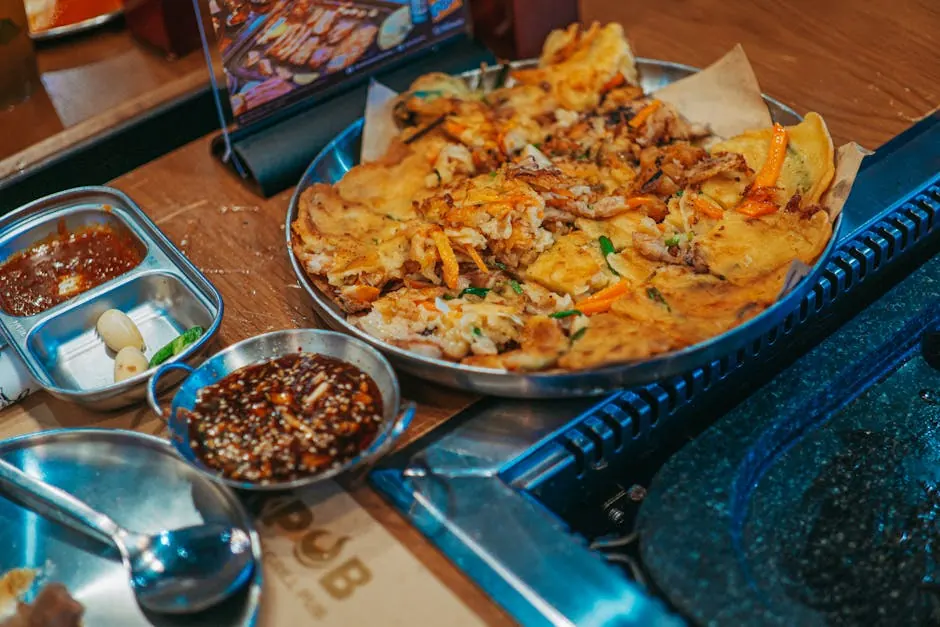
Apgujeong-dong is the historical anchor of Gangnam's medical and aesthetic corridor, the district most international long-stay patients name first when asked where they stayed. The avenue between Galleria Department Store and Apgujeong Rodeo Station has the same quiet density I recognise from Lee Garden Three — tower lobbies in oiled walnut, ground-floor cafés that close their blinds at the brightest hour, and a register of conversation that stays below the cornice line. For the medical traveller, what Apgujeong offers is not novelty but continuity. The pharmacies along Dosan-daero are accustomed to post-procedure prescriptions in three or four languages; the serviced residences keep a discreet medical-stay rate; and the convalescent walking loop along Dosan Park is shaded, level, and unhurried. 呢度好有 Hong Kong feel, a friend texted me on her seventh day. She wasn't wrong, exactly — though Apgujeong is more reserved than Causeway Bay, and the quiet, after dark, is its own argument.
- Strengths: serviced residences at scale, multilingual pharmacy support, level walking loop at Dosan Park
- Categorical specialty: long-stay aesthetic and regenerative medicine convalescence
- Pricing tier: $$$
- Location: northern Gangnam-gu, between Apgujeong-ro and Dosan-daero
Cheongdam-dong — flagship corridor with after-hours hush
Cheongdam-dong is the flagship corridor that runs east from Galleria along Apgujeong-ro to Cheongdam Intersection, and it reads, on first impression, as a quieter sibling to Apgujeong proper. The flagships — fashion, fine jewellery, the more discreet end of the gallery scene — close their doors earlier than newcomers expect. By twenty-one hundred the avenue belongs to residents on the evening walk and the occasional black sedan idling at a basement entrance. For the long-stay patient, Cheongdam's defining quality is the after-hours hush. The convalescent walking loop along the Han River parkland — accessible by a single underpass at Cheongdam Bridge — is wide, well-lit, and uncrowded after twenty-two hundred. The serviced residences here trend smaller than Apgujeong's but are more architecturally considered; the lobbies recall Pacific Place rather than the IFC. What recommends Cheongdam is not its inventory but its cadence — a place where the regimen of rest, walk, and reading goes uninterrupted by the daytime city.
- Strengths: after-hours quiet, riverside walking access, smaller-scale residences
- Categorical specialty: convalescent stays prioritising rest over amenity density
- Pricing tier: $$$
- Location: eastern Gangnam-gu, Apgujeong-ro to Cheongdam Bridge
Sinsa-dong — Garosu-gil's measured pace
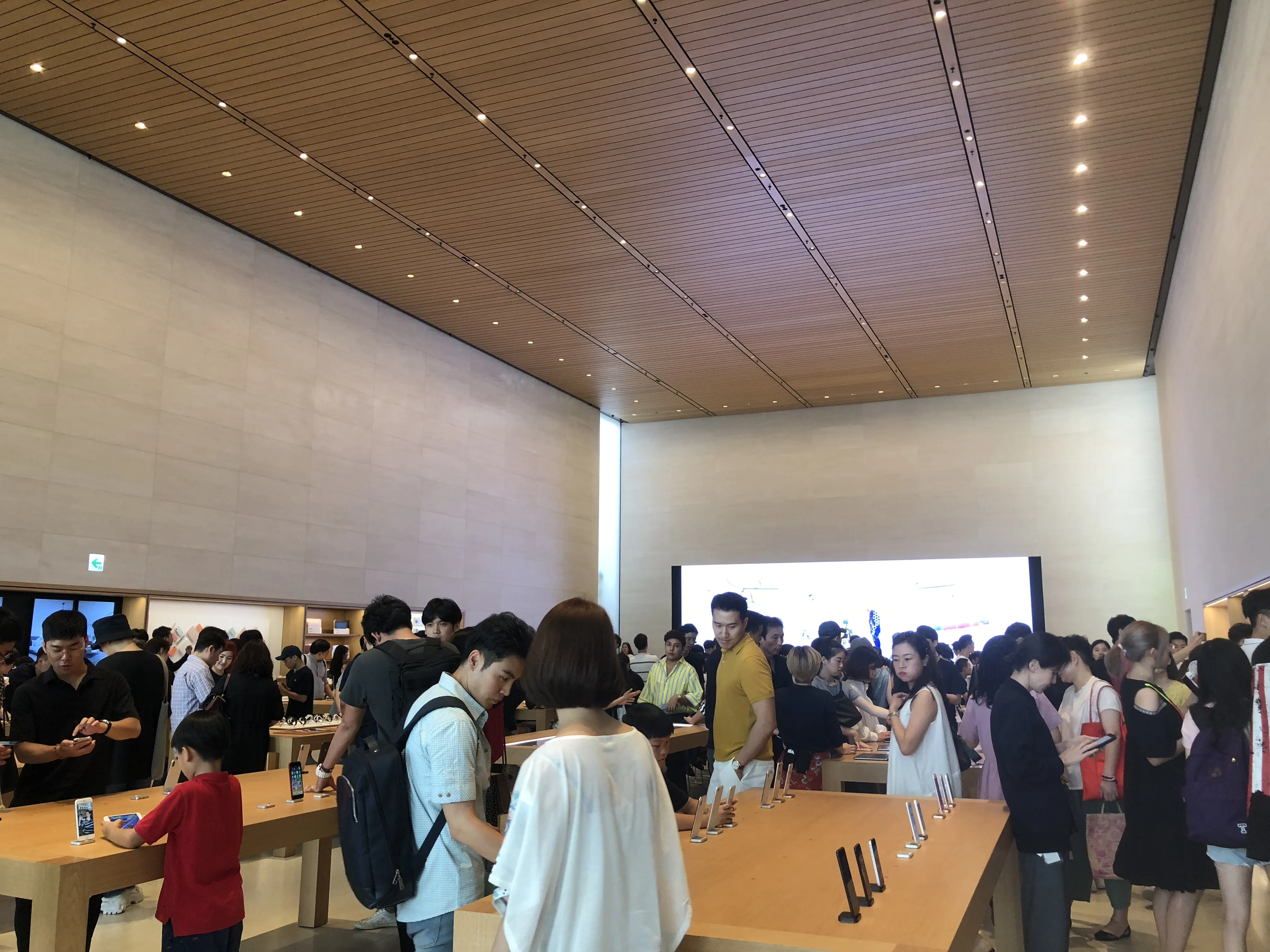
Sinsa-dong, organised around the Garosu-gil ginkgo avenue, is the neighbourhood most often misread by short-stay visitors. The Instagrammed surface — boutiques, brunch rooms, a perpetual queue at the corner pâtisserie — gives way, three streets back from the main avenue, to a residential register that suits the long stay rather well. The serviced residences along the side streets between Garosu-gil and Apgujeong-ro are mid-tier in price but well-kept, and the pharmacies on Dosan-daero South operate to twenty-three hundred on weekdays. The convalescent walking loop is the avenue itself, walked slowly, with the canopy of ginkgo trees doing the work of screening that Apgujeong's tower lobbies do by other means. Sinsa is, in editorial terms, the neighbourhood for the patient who wants a less hushed register without surrendering quiet entirely. The cafés tolerate the long sit — most carry English-language menus and a few keep the lighting low enough for reading. One arrives, takes a corner table, and is left undisturbed.
- Strengths: ginkgo-canopy walking loop, mid-tier residences, café tolerance of the long sit
- Categorical specialty: long-stay patients seeking ambient quiet without isolation
- Pricing tier: $$
- Location: southwestern Gangnam-gu, Garosu-gil and surrounds
Hannam-dong — the hillside expatriate enclave
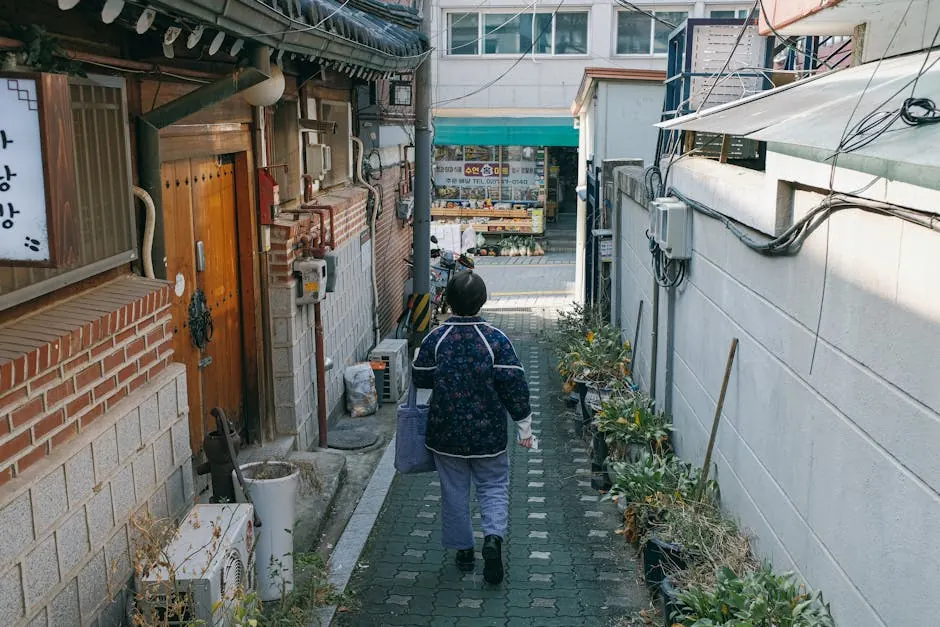
Hannam-dong sits north of the Han River on the hillside between Itaewon and the Banpo Bridge, and while it falls administratively in Yongsan-gu rather than Gangnam-gu, it is the address most commonly chosen by long-stay patients who want Gangnam access without Gangnam density. The expatriate register is older here — UN Village, the Hannam Hill terraces, the embassy quiet. The convalescent walking loop is, by a margin, the most generous of any neighbourhood surveyed: a hillside circuit with views to the river, level enough for week-two recovery, with multiple bench rests at intervals. The trade-off is the taxi fare to Gangnam-gu clinics — twelve to eighteen minutes by black cab depending on the bridge crossing — and the slightly thinner pharmacy network after twenty-two hundred. What recommends Hannam is not proximity but composure. The lobbies are quieter than Apgujeong's by some measure, and the serviced residences keep a register closer to Mandarin Oriental than to a chain hotel. For the patient prepared to commute, the trade reads favourably.
- Strengths: hillside walking loop, embassy-quiet register, considered residences
- Categorical specialty: long-stay patients prioritising composure over proximity
- Pricing tier: $$$
- Location: Yongsan-gu hillside between Itaewon and Banpo Bridge
Samseong-dong — COEX-anchored convenience
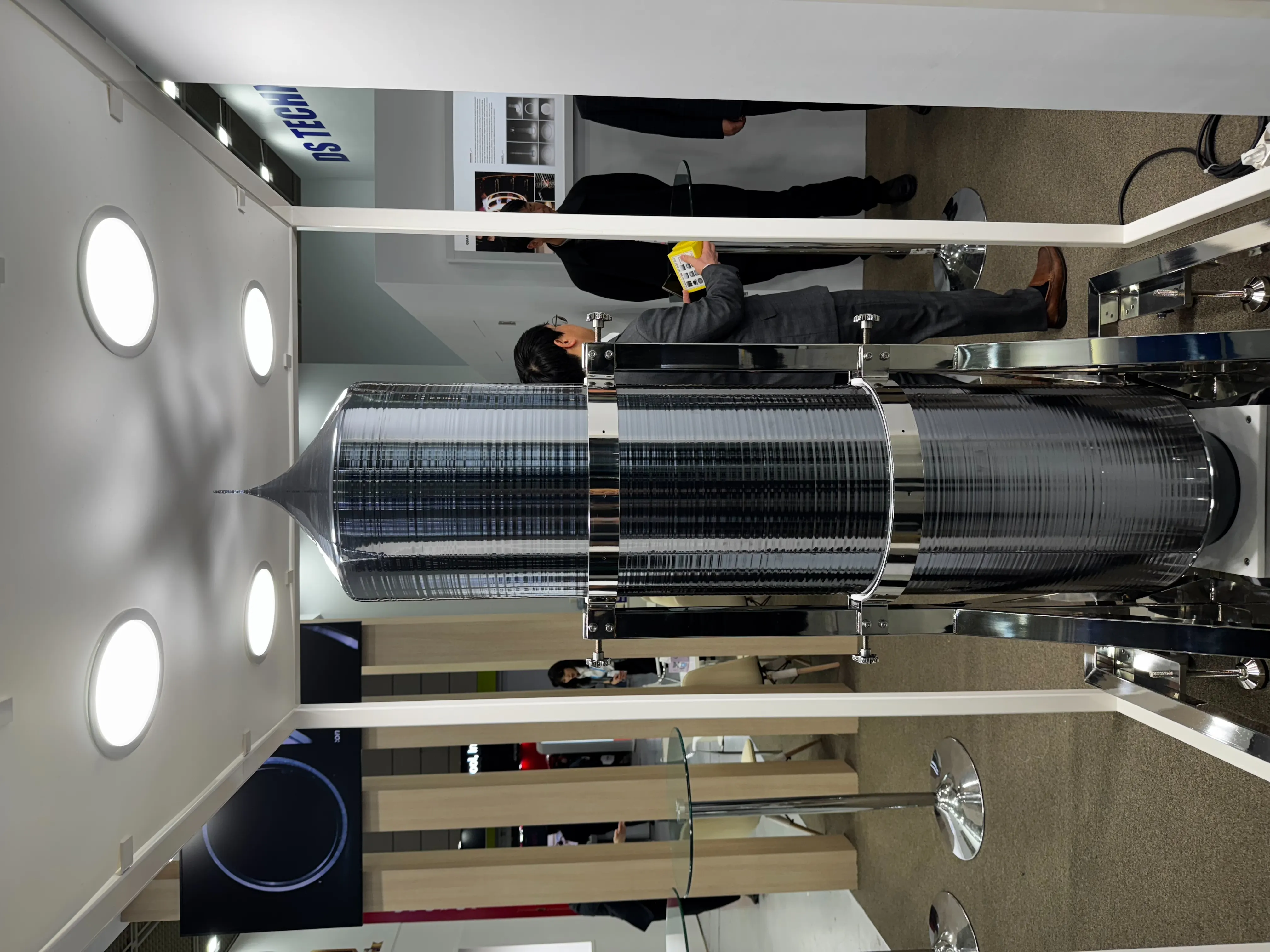
Samseong-dong is anchored by the COEX complex and the Trade Tower, and the neighbourhood's defining quality, for the long-stay patient, is logistical density. Within a fifteen-minute walk one finds an aquarium, a department store, a multiplex, three supermarkets, two twenty-four-hour pharmacies, and direct underground access to Samseong Station on Line 2. The serviced residences here range from corporate-stay towers to smaller mid-tier addresses behind the convention centre. The convalescent walking loop is, frankly, the weak point — Samseong is built for the working day rather than the evening walk, and the avenues read as broad, hard, and exposed at noon. The compromise is internal: the COEX underground is climate-controlled, well-lit, and forgiving for week-one walks when the open air still feels too much. For the patient travelling with family, Samseong's amenity density is the strongest argument; for the solo convalescent prioritising hush, it is not the first call.
- Strengths: amenity density, twenty-four-hour pharmacy access, climate-controlled walking
- Categorical specialty: family-accompanied long stays and corporate-style serviced residences
- Pricing tier: $$
- Location: eastern Gangnam-gu, COEX and Samseong Station
Yeoksam-dong — the working-quarter mid-tier
Yeoksam-dong is the working quarter of Gangnam — the office towers along Teheran-ro, the second-tier corporate addresses behind them, and a service economy that runs hard from oh-seven-hundred to twenty-three. For the long-stay patient, Yeoksam's appeal is mid-tier pricing combined with the densest pharmacy and convenience-store network of any neighbourhood surveyed. The serviced residences along the side streets between Teheran-ro and Bongeunsa-ro tend toward the smaller, plainer end of the inventory, but the rates run thirty to forty per cent below Apgujeong for comparable square metres. The convalescent walking loop is Seonjeongneung — the royal tomb park sitting incongruously between Yeoksam and Samseong — which offers a wooded, level, and surprisingly hushed circuit closing at eighteen hundred. The neighbourhood's daytime register is loud; the evening register, after the office towers empty, is more forgiving. The trade-off is plain, and the price reflects it.
- Strengths: mid-tier pricing, dense pharmacy network, Seonjeongneung walking loop
- Categorical specialty: budget-conscious long stays of three weeks and above
- Pricing tier: $$
- Location: central Gangnam-gu, Teheran-ro corridor
Seocho-dong — the residential register
Seocho-dong, west of Gangnam Station and south of the Han River, is the most reliably residential of the neighbourhoods surveyed — the architecture is mid-rise rather than tower-block, the streets are tree-lined in a less curated way than Apgujeong's, and the pace, even at noon, is measured. The serviced residences here are fewer in absolute number, but the smaller boutique addresses around the Seocho-gu Office and the National Library tend to suit the long-stay patient who wants a domestic register rather than a hotel one. The convalescent walking loop runs along Banpo Stream — a daylighted urban creek with a paved promenade extending some three kilometres east-west — and the experience, particularly in late afternoon, recalls a Hong Kong country park trail rendered in concrete and cherry trees. The pharmacy network is adequate rather than abundant, but the cafés along Seochojungang-ro keep longer hours than the Garosu-gil equivalents. What recommends Seocho is the register itself — quietly residential, unhurried, and free of the medical-tourism gloss.
- Strengths: residential register, Banpo Stream walking loop, boutique residences
- Categorical specialty: long stays prioritising domestic ambience over hotel polish
- Pricing tier: $$
- Location: western Gangnam, south of Gangnam-daero
Banpo-dong — riverside parkland and the rainbow bridge
Banpo-dong is defined, for most visitors, by the Banpo Bridge rainbow fountain and the floating Sebitseom islands — a surface reading that misses the neighbourhood's actual texture. North-facing along the Han River, Banpo offers the longest contiguous stretch of riverside parkland accessible from any Gangnam address, and the convalescent walking loop along the river embankment runs effectively without limit east toward Jamsil and west toward Yeouido. The serviced residences are concentrated in two clusters — the older Banpo Estates above Banpo-ro and the newer towers around Express Bus Terminal — and the pricing splits accordingly, with the latter trending closer to Apgujeong rates. The pharmacy network is thinner than Yeoksam's but adequate for the regimen, and Express Bus Terminal Station offers direct underground access to three subway lines. What Banpo offers, distinctively, is the river itself — the only neighbourhood surveyed where the convalescent walk is a riverside one by default rather than a deliberate detour.
- Strengths: contiguous riverside walking loop, two distinct residence clusters, three-line subway access
- Categorical specialty: long stays prioritising open-air walking access
- Pricing tier: $$ to $$$
- Location: northwestern Seocho-gu, Han River south bank
Yangjae-dong — the quiet southern edge
Yangjae-dong sits at the southern edge of Gangnam, between the Yangjae IC interchange and the Citizens' Forest, and the neighbourhood reads, on first impression, as the closest Gangnam approximation to a Hong Kong country park district. The Citizens' Forest itself — some 254,000 square metres of wooded parkland — is the most generous convalescent walking loop in the survey by absolute area, with paved circuits, unpaved trails, and bench rests at five-minute intervals. The trade-off is plain: Yangjae is twenty to twenty-five minutes by taxi to the Apgujeong-Cheongdam clinic corridor, and the serviced residence inventory is the thinnest of any neighbourhood surveyed. What exists, however, tends to surprise — a small set of corporate stay residences serving the LG Electronics R&D campus, several boutique addresses near the AT Centre, and pricing that runs comparable to Yeoksam for noticeably more square metres. For the patient prepared to commute and prioritising parkland over urban density, Yangjae reads as the quiet outlier — and the neighbourhood I have, on more than one stay, recommended to friends ahead of more obvious choices.
- Strengths: Citizens' Forest parkland, generous square metres, quiet register
- Categorical specialty: long stays of six weeks and above prioritising parkland access
- Pricing tier: $$
- Location: southern Seocho-gu, Yangjae IC and Citizens' Forest
Daechi-dong — the academic-quarter calm
Daechi-dong, between Yeoksam to the west and Samseong to the north, is best known to Seoul residents as the country's most concentrated private-education district — the Daechi-dong hagwon corridor along Eonju-ro is a phenomenon in its own right. For the long-stay medical traveller this register reads as an asset rather than a distraction. The neighbourhood's defining quality is the academic-quarter calm of its daytime hours: the families are at school, the parents at work, and the avenues between Daechi Station and Hanti Station carry the kind of measured quiet one finds around university quarters in Cambridge or Heidelberg. The serviced residences here are mid-tier and reliable, the pharmacy network is well-distributed if not late-night dense, and the convalescent walking loop along the Yangjaecheon stream — a daylighted urban creek running east-west — is paved, level, and shaded by mature willow. The evening register, when the hagwons release between twenty-two and twenty-three, is briefly busier; the rest of the day belongs to the residents on the slow walk. Daechi is, in its quiet way, one of the most underrated long-stay choices in the survey.
- Strengths: academic-quarter daytime calm, Yangjaecheon walking loop, mid-tier reliability
- Categorical specialty: long stays prioritising daytime quiet for reading and convalescence
- Pricing tier: $$
- Location: central Gangnam-gu, Daechi Station to Hanti Station
Comparison: ten neighbourhoods at categorical glance
The table below renders the ten neighbourhoods against six categorical lenses. The columns are descriptive rather than evaluative — there is no neighbourhood that scores well across all six, and the patient choosing between Hannam's composure and Banpo's riverside is choosing between two equally valid grammars of recovery.
| Neighbourhood | Street register | Walking loop | Pharmacy density | Residence inventory | Pricing tier |
|---|---|---|---|---|---|
| Apgujeong-dong | Hushed luxury | Dosan Park, level | High, multilingual | Abundant, towers | $$$ |
| Cheongdam-dong | After-hours quiet | Han River parkland | Moderate | Smaller, considered | $$$ |
| Sinsa-dong | Mixed, ginkgo canopy | Garosu-gil avenue | Moderate to high | Mid-tier, side streets | $$ |
| Hannam-dong | Embassy-quiet | Hillside circuit | Lower after 22h | Considered, fewer | $$$ |
| Samseong-dong | Working day, broad | COEX underground | High, 24-hour | Corporate towers | $$ |
| Yeoksam-dong | Working quarter | Seonjeongneung park | Highest | Smaller, plainer | $$ |
| Seocho-dong | Residential | Banpo Stream | Adequate | Boutique mid-tier | $$ |
| Banpo-dong | Mixed, river-facing | Han River, longest | Moderate | Two clusters | $$ to $$$ |
| Yangjae-dong | Quiet edge, parkland | Citizens' Forest | Lower density | Thin, surprising | $$ |
| Daechi-dong | Academic calm | Yangjaecheon stream | Distributed | Mid-tier reliable | $$ |
Editorial note on what this survey is and is not
This survey is a categorical reading, not a recommendation hub — and the distinction matters. The brief was to render ten Gangnam neighbourhoods legible against the long-stay use case, not to rank them, and not to direct the reader toward any specific clinic, residence, or commercial relationship. What recommends Apgujeong over Yangjae, or Hannam over Daechi, is not editorial preference but the patient's own grammar of recovery — the texture of street they read as restful, the density of pharmacy they consider sufficient, the kind of café they want to sit in for an hour with a book and a flat white. The survey was conducted across multiple stays between late 2024 and early 2026, drawing on published district profiles from the Seoul Metropolitan Government and on extended ground observation. The pricing tiers are rough categorical bands rather than published rates, and the walking loops described are public infrastructure accessible to any visitor. Patients planning a long stay should consult their treating physician on suitability of any walking regimen, and should verify pharmacy hours and residence terms directly with the relevant operators before committing. The survey does not replace that diligence; it precedes it.
Frequently asked questions
What counts as a long-stay medical travel itinerary in Gangnam?
In editorial terms, a long stay is any continuous itinerary of twenty-one days or more — long enough that the patient's relationship to the neighbourhood shifts from hotel-guest to temporary resident. Three-week stays cover most regenerative-medicine convalescent windows; six- to twelve-week stays cover staged protocols. The neighbourhood survey is calibrated to this longer arc, where pharmacy hours and walking loops matter rather more than the lobby's first impression.
Which Gangnam neighbourhood is the quietest after twenty-one hundred?
Cheongdam-dong and Hannam-dong are the two most consistently hushed after twenty-one hundred, by a measurable margin. Cheongdam's flagships close earlier than newcomers expect; Hannam's hillside register is residential and embassy-adjacent. Yangjae-dong runs them close, though the parkland register there is more rural-quiet than urban-quiet, which suits some patients and reads as too removed for others.
How do the pricing tiers in this survey translate to actual nightly rates?
The tiers are categorical bands against the wider Seoul serviced-residence market, not published rates. As a rough orientation, Tier $ runs comparable to mid-market business hotels; Tier $$ to higher-end boutique addresses; Tier $$$ to the upper international serviced-residence register. Long-stay rates — twenty-eight days or more — typically run twenty to thirty-five per cent below the corresponding nightly rates, but operators set their own discount structures and the figures should be verified directly.
Are these neighbourhoods all administratively part of Gangnam-gu?
Most are, but not all. Apgujeong, Cheongdam, Sinsa, Samseong, Yeoksam and Daechi sit within Gangnam-gu proper. Seocho, Banpo and Yangjae fall within Seocho-gu, which the international medical-travel register treats as part of the wider Gangnam district. Hannam-dong sits in Yongsan-gu and is included for its long-standing role as the long-stay address of choice for patients who want Gangnam access without Gangnam density.
Which neighbourhood is most suitable for a six-to-twelve-week regenerative-medicine stay?
There is no single answer — the survey is categorical for a reason. Apgujeong and Cheongdam suit patients who want the lobby register and multilingual pharmacy support continuously to hand. Hannam and Yangjae suit patients prepared to commute in exchange for composure or parkland. Daechi and Seocho suit patients who want a domestic, residential register through the longer arc. The choice should be made against the patient's own preferred grammar of recovery rather than against any league table.
How accessible are Gangnam's major teaching hospitals from these neighbourhoods?
Gangnam Severance Hospital, Samsung Medical Centre and Asan Medical Centre are the three principal teaching hospitals serving the wider Gangnam corridor. Apgujeong, Cheongdam, Sinsa and Yeoksam reach all three within fifteen to twenty minutes by taxi outside rush hour. Hannam and Banpo run twenty to twenty-five minutes. Yangjae and Samseong-east trend toward the upper end of that range, depending on bridge and interchange traffic. Public transport is reliable but slower for the convalescent traveller, and most long-stay patients budget for taxi during recovery.
Does this survey recommend any specific clinics or hospitals?
No — and deliberately so. The survey is a neighbourhood reading, not a clinic directory, and the editorial brief was to render the long-stay neighbourhood landscape legible without directing the reader toward any commercial relationship. Clinic and hospital choice is a separate decision, made with the patient's treating physician and against the patient's own clinical history. The neighbourhood survey precedes that decision; it does not substitute for it.
What public sources informed this neighbourhood reading?
The categorical descriptions draw on published district profiles from the Seoul Metropolitan Government, neighbourhood guides from the Korea Tourism Organisation, and walking-route documentation from Seoul's open-data portal, alongside extended ground observation across multiple stays between late 2024 and early 2026. Pharmacy hours, residence inventory and walking-loop conditions were verified at street level rather than from secondary sources, which is why the reading is editorial rather than statistical.