The Plain Term
K-Beauty Procedure Terms, Defined: A Reader's Editorial Glossary
Sixty terms — from autologous to vampire facial — defined in the editorial register the more careful Gangnam practices use, with the appropriate hedging preserved.
K-beauty arrives, for most international readers, as a vocabulary problem before it is a clinical one. The taxonomy is dense — energy modalities and biostimulators and skin boosters and exosomes and the perennially mistranslated baby-face injection — and the marketing copy has, in our reading, run somewhat ahead of the editorial honesty the careful Seoul operators prefer. 慢慢睇. The terms below are descriptive rather than prescriptive — drawn from a year of clinic visits, the published consensus literature, and the consent paperwork the more transparent practices share. Read them as the room reads them: with hedging, with cross-reference, and with the consultation, not the glossary, as the place for any clinical decision.
A — Adipose-Derived Stem Cells to Allogeneic
The opening of the alphabet sits, somewhat fittingly, with the regenerative-medicine vocabulary that anchors the more substantive end of the K-beauty register — the adipose-derived preparations, the autologous frame of reference, and the abbreviations a careful consultation will define before it uses them.
Adipose-Derived Stem Cells (ADSCs)
Adipose-Derived Stem Cells are the mesenchymal-lineage cells isolated from a small lipoaspirate of the patient's own subcutaneous fat — typically taken from the abdomen or flank under local anaesthetic — and prepared, in the Korean regulatory frame, as an autologous cell-based product. The cells are valued, in the regenerative-medicine literature, less for any direct tissue-replacement role than for the paracrine signalling environment they appear to support — the hedged claim, in the editorial register the careful Seoul operators prefer, is that the cells may contribute to the recipient tissue's compliance and repair signalling rather than that they will, definitively, regenerate it. The preparation is distinct from the simpler [stromal vascular fraction](#term-svf) and from the cultured-expansion protocols used in the orthopaedic setting. See also: [autologous](#term-autologous), [exosomes](#term-exosomes).
Autologous
Autologous, in the regenerative-medicine register, is the descriptor for a cellular or tissue product derived from the patient's own body and reintroduced, after preparation, to the same patient — distinct from the allogeneic register in which the donor and recipient are different individuals. The autologous frame is, in the Korean Ministry of Food and Drug Safety classification, the regulatory baseline for the cell-based aesthetic protocols offered in the routine Gangnam clinic — and the phrase, when it appears in consent paperwork, is one a reader should expect to see defined plainly rather than left as jargon. See also: [allogeneic](#term-allogeneic).
Allogeneic
Allogeneic is the descriptor for a cellular or tissue product derived from a donor distinct from the recipient — typically a screened donor under regulated tissue-banking conditions, with the donor identity blinded and the preparation released against a defined release-criteria framework. The allogeneic register is, in the current Korean regulatory frame, more tightly controlled than the autologous frame, and the routine aesthetic clinic does not, in our reading, offer allogeneic stem-cell preparations outside the registered clinical-trial setting. A reader encountering an allogeneic claim in marketing copy is welcome to ask, plainly, under which clinical-trial registration the preparation is being used. See also: [autologous](#term-autologous), [umbilical cord stem cells](#term-umbilical-cord-stem-cells).
B — Baby-Face Injection to Botox
The B-section gathers the more frequently mistranslated terms — the baby-face injection register, the biostimulator family, the botulinum-toxin nomenclature — and the cross-references that make them legible to the international reader.
Baby-Face Injection
Baby-Face Injection is the marketing register, used loosely across the Gangnam consultation rooms, for a layered protocol of fine-line dermal filler, micro-toxin, and skin-booster placements intended to soften facial contour and surface texture in a manner the marketing copy describes as youthful. The clinical content varies considerably between practices, and the careful operator will, on request, name the specific products and placements rather than rest on the umbrella term. A reader encountering baby-face should ask, plainly, what is being injected and where.
Biostimulator
Biostimulator is the family designation for the injectable products — poly-L-lactic acid, calcium hydroxylapatite, polycaprolactone — whose mechanism is, in the published consensus, a stimulation of the patient's own collagen response over a period of months rather than an immediate volumising effect. The biostimulator register is, in the editorial reading, distinct from the hyaluronic-acid filler register on both timeline and reversibility — the volumising effect unfolds slowly across multiple sessions, and the preparation is not hyaluronidase-reversible. The careful Seoul operator will calibrate the patient's expectation accordingly, and the consultation will name the specific preparation. See also: [Sculptra](#term-sculptra), [Radiesse](#term-radiesse), [hyaluronic acid](#term-hyaluronic-acid).
Bone-Marrow MSCs (BM-MSCs)
Bone-Marrow Mesenchymal Stem Cells are the mesenchymal-lineage cells aspirated from the patient's own iliac crest under local anaesthetic — a preparation distinct from the adipose-derived register and used, in the Korean orthopaedic and regenerative-aesthetic settings, where the operator's reading favours the BM-MSC profile for the indication at hand. The harvest is, in clinical practice, more involved than the lipoaspirate route — the iliac crest aspiration carrying a different recovery cadence and a different consent register — and the careful consultation will, in our reading, walk the patient through the trade-offs rather than rest on the umbrella stem cell designation. See also: [ADSCs](#term-adscs), [autologous](#term-autologous), [SVF](#term-svf).
Botox / Botulinum Toxin Type A
Botulinum Toxin Type A is the active substance in the family of injectable neuromodulators that includes the proprietary preparations Botox, Dysport, Xeomin, Nabota, and Hugel's Letybo — its mechanism, the temporary inhibition of acetylcholine release at the neuromuscular junction. The Korean aesthetic clinic typically offers several of the proprietary preparations and will, on a careful consultation, name which is being used and at what unit equivalence. The duration is, in the published literature, broadly three to four months, with the exact interval shaped by dose, indication, and individual response. The careful operator will hedge the duration claim accordingly. See also: [neuromodulator](#term-neuromodulator), [microbotox](#term-microbotox).
C — Calcium Hydroxylapatite to Collagen Induction Therapy
The C-section is dense — the biostimulator chemistry, the Cheongdam geographic frame, the collagen-response vocabulary, and the cryotherapy adjuncts that frequently appear in the recovery package.
Calcium Hydroxylapatite (CaHA)
Calcium Hydroxylapatite is the biostimulator chemistry marketed primarily as Radiesse — a microsphere suspension whose immediate volumising effect is supplemented, over the following months, by a stimulated collagen response in the surrounding tissue. The preparation is, in the published literature, used principally in the lower-face contouring and hand-rejuvenation indications, with the more conservative Korean operator naming the placement plane and the realistic outcome envelope rather than resting on the marketing register. The reversibility profile is, on careful reading, distinct from the hyaluronic-acid register — hyaluronidase does not address a CaHA placement, and the careful consultation will note this. See also: [biostimulator](#term-biostimulator), [Radiesse](#term-radiesse).
Collagen Induction Therapy
Collagen Induction Therapy is the umbrella designation for the protocols — microneedling, fractional laser, radiofrequency microneedling — whose mechanism is the controlled creation of micro-injuries intended to stimulate a wound-healing collagen response. The careful operator will, in the consultation, name which specific protocol is being proposed and at what density, depth, and energy setting rather than rest on the umbrella term. The published evidence is, in our reading, supportive of modest rather than emphatic claims, and the protocol is offered most often as a multi-session frame rather than a single intervention. See also: [microneedling](#term-microneedling), [fractional laser](#term-fractional-laser), [radiofrequency microneedling](#term-radiofrequency-microneedling).
D — Dermal Filler to Doublo
The D-section anchors the injectable-filler vocabulary and the recovery-window register a thoughtful reader will want defined before the consultation rather than during it.
Dermal Filler
Dermal Filler is the umbrella designation for the injectable products — predominantly hyaluronic-acid preparations, with the biostimulator family adjacent — placed at varying depths in the dermis and subcutaneous tissue to address volume loss, contour, or fine-line concerns. The careful consultation will name the specific product, the placement plane, and the volume rather than rest on filler. The vocabulary is sometimes used loosely in marketing copy to gather both the HA and biostimulator registers under one term — a frame that elides the reversibility and timeline distinctions a thoughtful patient will want to understand before consenting. See also: [hyaluronic acid](#term-hyaluronic-acid), [biostimulator](#term-biostimulator).
Downtime
Downtime is the editorial register, used across the consultation rooms, for the interval between the procedure and the patient's return to the social, photographic, or athletic commitments that prompted the conservative scheduling — distinct from the recovery register, which extends further into the protocol's settling and the appearance of the realistic outcome. A careful operator will, in the consultation, name the realistic downtime range rather than the marketing minimum — the difference between the no downtime register and the honest editorial reading is, on a year of clinic visits, considerable. The thoughtful visitor schedules with the longer figure. See also: [recovery](#term-recovery), [bruise window](#term-bruise-window).
Doublo
Doublo is the Korean-manufactured high-intensity focused ultrasound device — a Hironic-marketed preparation positioned, in the price-tier reading, as a value-tier alternative to the Ulthera platform for skin tightening and lower-face laxity indications. The careful consultation will, on request, name which device is being used; the value-tier devices and the senior-operator devices are not, on the editorial reading, equivalent on either depth precision or feedback algorithm, and the marketing copy at the value tier sometimes elides the distinction. A reader for whom the platform identity matters should ask, plainly, which model and which generation. See also: [HIFU](#term-hifu), [Ulthera](#term-ulthera).
E — Energy-Based Device to Exosomes
The E-section moves into the energy-modality vocabulary — the radiofrequency, ultrasound, and laser-platform language a thoughtful reader will encounter daily in the Cheongdam consultation rooms — and the exosome register that has, of late, taken up considerable marketing weight.
Energy-Based Device (EBD)
Energy-Based Device is the umbrella designation for the platforms — radiofrequency, ultrasound, laser, plasma — that deliver controlled thermal or photic energy to a defined tissue depth to drive a collagen, neocollagenesis, or pigmentation response. The category is broad and the marketing copy frequently rests on the umbrella term where the careful operator would name the specific platform, the energy setting, and the indication. A reader hearing we use an energy device should, on the editorial reading, ask which device, at which depth, for which response — the answer is the consultation's first useful diagnostic. See also: [HIFU](#term-hifu), [radiofrequency](#term-radiofrequency), [fractional laser](#term-fractional-laser).
Exosomes
Exosomes are the small extracellular vesicles — secreted by stem cells and other cell populations — that carry signalling cargo to recipient cells, and that have been adopted, of late, as a topical or post-procedure adjunct across the Gangnam aesthetic register. The careful editorial position is that the published evidence base is preliminary, the regulatory frame is evolving, and the marketing copy has moved somewhat ahead of the consensus literature; the procedure is best offered with hedging rather than with the more emphatic register the marketing copy prefers. A reader encountering an exosome claim is welcome to ask the source, the preparation, and the regulatory standing. See also: [stem cell](#term-stem-cell), [growth factors](#term-growth-factors).
F — Fat Grafting to Fractional Laser
The F-section includes the autologous fat-grafting register adjacent to the regenerative-medicine vocabulary and the fractional-laser family that anchors much of the Korean resurfacing protocol.
Fat Grafting
Fat Grafting is the autologous-volume protocol in which a small lipoaspirate is harvested, processed, and reinjected at a defined volume to address contour or volume loss — distinct from the cell-based protocols in which the fat is the source for an isolated cellular preparation rather than the volumising substance itself. The careful operator will, in the consultation, name which protocol is being proposed; the vocabulary is sometimes used loosely across both registers, and the indication, the volume, and the outcome envelope differ between them. A reader hearing fat grafting should ask, plainly, whether the fat is the volume or the source. See also: [ADSCs](#term-adscs), [SVF](#term-svf).
Fractional Laser
Fractional Laser is the resurfacing register in which the laser energy is delivered as a grid of micro-columns rather than as a contiguous field — sparing the intervening tissue and shortening the recovery interval relative to the fully ablative register. The fractional family includes the ablative CO₂ and erbium platforms and the non-ablative thulium and 1,550-nanometre platforms, each with a distinct depth, downtime, and indication profile. The careful consultation will name the specific platform rather than rest on the fractional umbrella; the recovery cadence varies considerably across the family, and the thoughtful visitor schedules with the actual platform's interval. See also: [collagen induction](#term-collagen-induction-therapy), [erbium laser](#term-erbium-laser).
G — Genioplasty to GFC
The G-section bridges the surgical-adjacent vocabulary — the genioplasty register the more conservative consultation will note as outside the routine non-surgical pathway — with the growth-factor topical register that increasingly accompanies the Korean recovery protocols.
Genioplasty
Genioplasty is the surgical chin-contouring register — distinct from the injectable filler register, conducted in a hospital-grade theatre under general or regional anaesthesia, and outside the routine remit of the non-surgical Gangnam consultation. A reader encountering the term in an aesthetic-medicine context should expect a referral to the appropriate plastic-surgical pathway rather than a procedure offered in the same room as the filler one — and the careful clinic, in our reading, makes the referral plainly rather than stretching the non-surgical register. The recovery cadence and the consent register are, on both clinical and regulatory grounds, distinct from the routine aesthetic-medicine consultation. See also: [non-surgical](#term-non-surgical).
Growth Factors
Growth Factors are the signalling proteins — epidermal growth factor, fibroblast growth factor, vascular endothelial growth factor, and others — that participate in the wound-healing and tissue-repair cascades, and that have, of late, been formulated into topical and post-procedure-adjunct preparations across the Korean aesthetic register. The careful editorial position is that the topical evidence base is preliminary, with the published literature supporting modest rather than emphatic claims about the bioavailability of the topical molecule and the durability of the response. A reader encountering a growth-factor claim is welcome to ask which factor, in which preparation, at what concentration. See also: [exosomes](#term-exosomes), [GFC](#term-gfc-growth-factor-concentrate).
Glow Injection
Glow Injection is the marketing register, used across the Gangnam consultation rooms, for a category of skin-booster protocols — the proprietary Rejuran, Juvelook, and similar polynucleotide or PDLLA preparations — placed as multi-point intra-dermal injections to address surface texture and hydration. The clinical content varies considerably between practices, and the careful operator will name the specific product and the placement density rather than rest on the umbrella glow term. A reader encountering the marketing register is welcome to ask, plainly, what is being placed and at what depth — the editorial reading is more useful than the umbrella one. See also: [Rejuran](#term-rejuran), [skin booster](#term-skin-booster), [Juvelook](#term-juvelook).
GFC (Growth Factor Concentrate)
Growth Factor Concentrate is the proprietary protocol register for an autologous platelet-derived preparation, processed to enrich the growth-factor fraction beyond the conventional platelet-rich plasma frame — used principally in the hair-restoration and skin-rejuvenation indications across a subset of Korean clinics. The published literature is, in our reading, modest rather than definitive; the careful operator will hedge the outcome envelope accordingly and frame the protocol as a multi-session intervention rather than a single one. A reader encountering the GFC register is welcome to ask the specific processing kit, the protocol density, and the realistic outcome envelope. See also: [PRP](#term-platelet-rich-plasma-prp), [growth factors](#term-growth-factors).
H — Hyaluronic Acid to Hugel
The H-section is short and consequential — the hyaluronic-acid chemistry that anchors most of the dermal-filler register, the high-intensity focused ultrasound family that anchors much of the energy-based one, and the hyaluronidase reversal register a thoughtful reader will want defined before the filler is placed.
Hyaluronic Acid (HA)
Hyaluronic Acid is the principal chemistry of the cross-linked dermal-filler family — the Juvéderm, Restylane, Belotero, Teosyal, Neuramis, and similar preparations — its appeal in the editorial reading resting both on the volumising effect and on the hyaluronidase-reversibility profile that the biostimulator family does not share. The cross-linking technology, the rheological profile, and the placement plane vary across the HA family, and the careful consultation will, on request, name which preparation is being used and why. A reader hearing simply HA filler is welcome to ask the specific brand and lot. See also: [dermal filler](#term-dermal-filler), [hyaluronidase](#term-hyaluronidase), [Juvéderm](#term-juvéderm).
HIFU (High-Intensity Focused Ultrasound)
High-Intensity Focused Ultrasound is the energy-modality family in which focused ultrasound energy is delivered at defined tissue depths — typically 1.5, 3.0, and 4.5 millimetres — to drive a thermal-coagulation point at the SMAS plane and a downstream collagen response. The family includes the senior Ulthera platform and the Korean-manufactured Doublo register, with the depth precision and the feedback algorithm distinguishing the senior tier from the value tier. The careful consultation will, on request, name the specific platform and the depth settings selected for the indication. See also: [Ulthera](#term-ulthera), [Doublo](#term-doublo), [SMAS](#term-smas).
Hyaluronidase
Hyaluronidase is the enzymatic preparation used to dissolve a placed hyaluronic-acid filler — the reversibility profile that distinguishes the HA register from the biostimulator register, and one a thoughtful reader will want named in the consent paperwork rather than discovered in the post-procedure review. The preparation acts by depolymerising the cross-linked hyaluronic-acid matrix and is, in the careful Seoul clinic, available on-site rather than only by referral. The reversibility frame is, on the editorial reading, one of the more substantive arguments for the HA register over the longer-residence biostimulator one. See also: [hyaluronic acid](#term-hyaluronic-acid), [filler migration](#term-filler-migration).
Hugel / Letybo
Hugel is the Korean biopharmaceutical manufacturer of the botulinum-toxin preparation Letybo, one of several proprietary toxin preparations offered across the Gangnam aesthetic clinic — the careful operator will, on request, name which toxin is being administered and at what unit equivalence. The Korean-manufactured toxin register has, of late, expanded considerably, with Nabota, Coretox, and Letybo each occupying a distinct price-tier and clinical-evidence position. A reader for whom the manufacturer matters is welcome to ask the consultation desk plainly. See also: [Botox](#term-botox-botulinum-toxin-type-a), [neuromodulator](#term-neuromodulator).
I — Indication to Informed Consent
The I-section is brief — the indication framework that anchors the consultation register and the Inframe device that anchors a more recent energy-based protocol.
Indication
Indication, in the editorial register the careful Seoul operators prefer, is the clinical reason for which a specific procedure is offered to a specific patient — a frame distinct from the marketing register in which the procedure is offered first and the indication retrofitted to support the offer. A reader hearing this is the right procedure for your indication should expect the operator to name what the indication is, in plain language, and to relate it to the realistic outcome envelope and to any adjacent pathway that might serve the indication better. The conversation, in its honest form, is unhurried. See also: [contraindication](#term-contraindication), [informed consent](#term-informed-consent).
Informed Consent
Informed Consent is the editorial frame the careful Korean clinic uses for the conversation in which the patient is presented with the indication, the realistic outcome envelope, the contraindications reviewed, and the warning signs — a conversation distinct from the signature on the paperwork, and one a thoughtful reader will want unhurried. The conversation, in our reading of the more rigorous Seoul practices, takes time; the rooms one trusts are the rooms in which the operator is willing to expand any clause the patient finds opaque rather than treat the consent register as a procedural formality. See also: [consent paperwork](#term-consent-paperwork), [indication](#term-indication).
J — Juvelook to Juvéderm
The J-section gathers two of the more frequently named proprietary preparations — Juvelook in the skin-booster register and Juvéderm in the dermal-filler one.
Juvelook

Juvelook is the proprietary skin-booster preparation — a polylactic-acid microsphere suspension — placed as multi-point intra-dermal injections across the cheek and lower-face register to address surface texture and a modest collagen response. The careful operator will, on request, name the protocol density and the realistic outcome envelope, with the published evidence base supporting hedged claims about a multi-session interval rather than a single-session one. A reader for whom the chemistry matters is welcome to ask the consultation desk; the polylactic-acid register is distinct from the polynucleotide one on both mechanism and timeline. See also: [skin booster](#term-skin-booster), [glow injection](#term-glow-injection), [Sculptra](#term-sculptra).
Juvéderm
Juvéderm is the Allergan-marketed family of cross-linked hyaluronic-acid dermal fillers — the Volift, Voluma, Volbella, and Volux preparations — each formulated for a specific tissue plane and indication, with distinct rheological profiles that the careful consultation will name. The Voluma register sits, broadly, in the deeper volumising frame; the Volbella register sits in the finer-line one; the Volux is positioned for jawline contour. A reader hearing simply Juvéderm is welcome to ask which preparation, at which plane, in what volume. See also: [hyaluronic acid](#term-hyaluronic-acid), [dermal filler](#term-dermal-filler).
K — KHIDI to Keloid
The K-section anchors two of the most consequential terms in the international-patient register — the KHIDI registry frame and the K-beauty designation that, somewhat reductively, gathers the Korean aesthetic-medicine landscape under a single marketing rubric.
KHIDI (Korea Health Industry Development Institute)
Korea Health Industry Development Institute is the public agency under the Korean Ministry of Health and Welfare that maintains the foreign-patient-attracting medical-institution registry — the appropriate first reference for any international visitor verifying a clinic's regulatory standing. The institute's English-language portal is, in our reading, the practical entry point, with the registry searchable by institution and the registration record verifiable on request. A reader for whom the regulatory frame matters is welcome to bring the institute's record into the consultation. See also: [foreign-patient registration](#term-foreign-patient-registration), [MFDS](#term-mfds-ministry-of-food-and-drug-safety).
K-Beauty
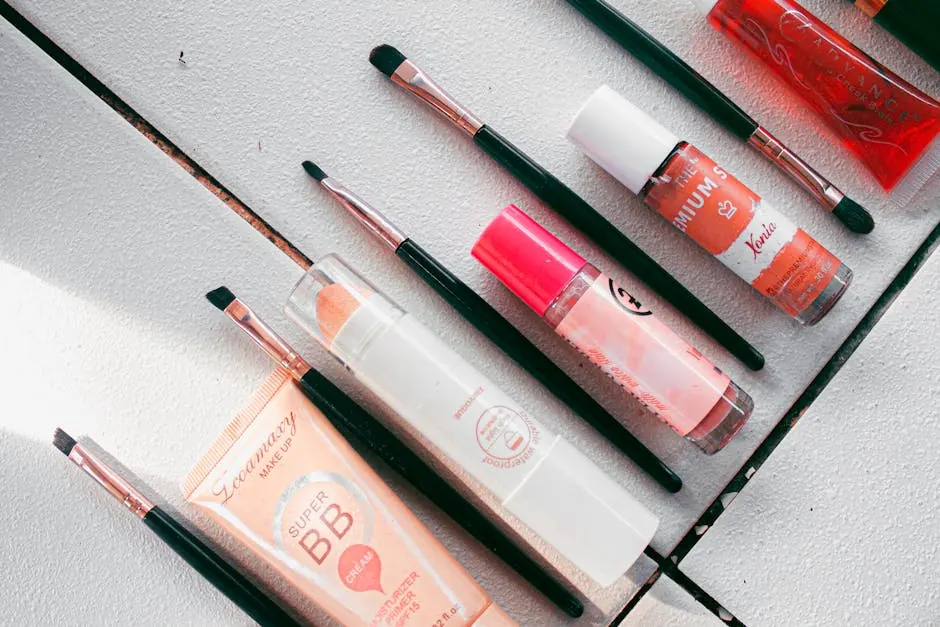
K-Beauty is the umbrella designation, of relatively recent coinage, for the Korean cosmetics, skincare, and aesthetic-medicine landscape — its appeal in the editorial reading resting on the convergence of the consumer-skincare register and the in-clinic procedural one. The category is broader than the procedural register the careful Seoul clinic occupies; a reader encountering K-beauty procedure should treat the phrase as a marketing umbrella rather than a clinical taxonomy. The careful editorial read separates the consumer-skincare register from the procedural one, and the rooms one returns to do the same.
Keloid
Keloid is the dermatological register for a hypertrophic scar that extends beyond the boundaries of the original wound — a personal history of which is, in the careful Seoul consultation, treated as a relative caution informing the harvest-site selection and the dressing protocol rather than a strict exclusion. The risk profile varies by anatomical region, by ethnicity, and by the specific procedure under consideration, and the careful operator will, in the consultation, walk the patient through the relevant cautions rather than rest on a single keloid-history flag. See also: [contraindication](#term-contraindication), [scar](#term-scar).
L — Laser Toning to Lifting Thread
The L-section gathers two of the more frequently encountered Korean protocols — the laser-toning register the consultation rooms use for a low-fluence Q-switched laser protocol, and the lipolysis register that anchors the injectable fat-reduction conversation.
Laser Toning
Laser Toning is the editorial register the Korean aesthetic clinic uses for a low-fluence Q-switched 1,064-nanometre laser protocol — typically delivered across multiple sessions to address pigmentation, melasma, and surface texture. The published evidence base is, in our reading, supportive of modest rather than emphatic claims, and the careful operator will frame the expectation accordingly — the protocol is most useful as part of a layered approach to pigmentation rather than as a single-intervention answer. A reader scheduling laser toning should plan for a multi-session frame across several months. See also: [melasma](#term-melasma), [Q-switched](#term-q-switched).
Lipolysis (Injectable)
Injectable Lipolysis is the protocol register in which a preparation — typically a phosphatidylcholine and deoxycholic-acid combination, with the proprietary Kabelline and similar Korean preparations adjacent — is placed at multiple points in a defined subcutaneous fat compartment to drive a fat-reduction response. The careful operator will name the specific preparation, the compartment, and the realistic outcome envelope rather than rest on the fat dissolving marketing register. The published evidence supports modest, hedged claims and a multi-session frame; the protocol is best read as an adjunct rather than as a primary contour intervention. See also: [Kabelline](#term-kabelline), [contour](#term-contour).
Lifting Thread (PDO / PCL / PLLA)
Lifting Thread is the umbrella designation for the absorbable suture preparations — polydioxanone, polycaprolactone, and poly-L-lactic acid — placed in the subcutaneous tissue to drive a contour and collagen response. The thread family is offered across the Korean aesthetic register, with the careful consultation naming the specific material, the count, the placement vector, and the realistic duration rather than resting on the umbrella thread lift term. The materials differ on absorption interval — PDO at six to nine months, PCL longer, PLLA differently — and the editorial reading is that the material identity matters. See also: [thread lift](#term-thread-lift), [PDO threads](#term-pdo-threads).
M — Melasma to Microneedling
The M-section anchors the pigmentation vocabulary — the melasma register that runs through much of the Korean dermatological consultation — and the microneedling and microbotox protocols that have, of late, taken up considerable share in the maintenance register.
Melasma
Melasma is the dermatological register for the symmetrical, acquired hyperpigmentation seen most frequently across the malar and forehead regions — a condition addressed in the Korean clinic with a layered approach of laser toning, topical preparations, and sun protection rather than a single intervention. The published evidence is consistent with modest, hedged claims and a long-horizon management frame; the careful consultation will, in our reading, set the expectation as a maintenance rather than a cure register. A reader hearing we can clear your melasma should, on the editorial reading, request a more hedged framing. See also: [laser toning](#term-laser-toning), [photoaging](#term-photoaging).
Mesotherapy
Mesotherapy is the umbrella designation for multi-point intra-dermal injection protocols — the components varying widely across vitamin, hyaluronic-acid, and proprietary cocktail preparations. The category is broad and the marketing copy frequently rests on the umbrella term where the careful operator would name the specific cocktail and the published evidence base for it. A reader encountering a mesotherapy offer is welcome to ask, plainly, which cocktail and which evidence; some preparations are well-supported and some are not. See also: [skin booster](#term-skin-booster), [glow injection](#term-glow-injection).
MFDS (Ministry of Food and Drug Safety)
Ministry of Food and Drug Safety is the Korean regulatory agency under whose classification framework cell-based and biologic aesthetic preparations are approved or registered — the appropriate reference point for the regulatory standing of a specific cell preparation. A reader encountering an MFDS reference in marketing copy should expect, on a careful read, that the specific classification be named — the agency's classification register is more granular than a single approval claim suggests, and the careful clinic will, on request, identify the specific category. See also: [autologous](#term-autologous), [KHIDI](#term-khidi-korea-health-industry-development-institute).
Microbotox
Microbotox, also marketed as meso-botox across some Korean practices, is the protocol register in which a diluted neuromodulator preparation is placed at multiple superficial intra-dermal points — the intended effect a softer, surface-texture and pore response rather than the conventional muscle-relaxation one. The published evidence base is, in our reading, modest rather than definitive, and the careful operator will frame the outcome envelope with appropriate hedging — the protocol is best offered to a patient whose expectation has been calibrated to the realistic surface response rather than to the more emphatic marketing claim. See also: [neuromodulator](#term-neuromodulator), [Botox](#term-botox-botulinum-toxin-type-a).
Microneedling
Microneedling is the collagen-induction protocol in which an array of fine needles drives controlled micro-injuries at a defined depth, frequently combined with a topical or radiofrequency adjunct. The category is broad — manual rollers, motorised pens, and radiofrequency-microneedling platforms occupy distinct registers — and the careful operator will name the specific device and the depth setting rather than rest on the microneedling umbrella. The published evidence is supportive of modest, multi-session claims; the protocol is offered most often as a recurring rather than a single intervention. See also: [collagen induction](#term-collagen-induction-therapy), [radiofrequency microneedling](#term-radiofrequency-microneedling).
N — Neuromodulator to Non-Surgical
The N-section is short — the neuromodulator umbrella that gathers the toxin family, and the non-surgical register that anchors the editorial scope of the routine Gangnam clinic.
Neuromodulator
Neuromodulator is the umbrella designation for the botulinum-toxin family — Botox, Dysport, Xeomin, Nabota, Letybo — the preparations distinguished from one another on protein complex, unit-equivalence, and onset-and-duration profile rather than on fundamental mechanism. The careful Korean consultation will, on request, name which neuromodulator is being administered, at what unit, and why; the rooms one returns to do not rest on toxin as a single category. A reader for whom the preparation matters is welcome to ask the consultation desk plainly. See also: [Botox](#term-botox-botulinum-toxin-type-a), [Hugel](#term-hugel-letybo), [microbotox](#term-microbotox).
Non-Surgical
Non-Surgical is the editorial register the careful Korean aesthetic clinic uses for the procedural pathway that does not involve general anaesthesia, hospital admission, or the surgical theatre — a category in which the routine filler, toxin, energy-based, and most cell-based protocols sit. The register is descriptive of the pathway rather than dispositive of the result; some indications are, on the editorial reading, better served by the surgical register, and the careful consultation will, on request, refer to the appropriate pathway rather than stretch the non-surgical frame. See also: [genioplasty](#term-genioplasty), [indication](#term-indication).
P — PDO Threads to Polynucleotide
The P-section is dense — the polydioxanone and polycaprolactone thread families, the platelet-rich plasma register adjacent to the regenerative-medicine vocabulary, and the polynucleotide preparations that have, in recent years, taken up share in the skin-booster register.
PDO Threads
Polydioxanone Threads are the absorbable suture family — the most frequently used material in the Korean lifting-thread register — placed in the subcutaneous tissue to drive a contour and a collagen response, with absorption typically over a six- to nine-month interval. The thread count, the placement vector, and the cog versus mono configuration vary across protocols, and the careful consultation will name the specifics rather than rest on the PDO umbrella. The realistic duration of the visible lift is, on the published evidence, modest relative to the marketing claim; the careful operator will hedge accordingly. See also: [thread lift](#term-thread-lift), [lifting thread](#term-lifting-thread-pdo-pcl-plla).
Platelet-Rich Plasma (PRP)
Platelet-Rich Plasma is the autologous preparation in which the patient's blood is centrifuged to concentrate the platelet fraction, with the resulting preparation reinjected to drive a growth-factor and wound-healing response — used across the Korean hair-restoration and skin-rejuvenation registers. The published evidence base is supportive of modest claims and a multi-session frame, with the specific kit, the spin protocol, and the platelet concentration varying across practices. A reader for whom the preparation matters is welcome to ask the specific kit and the realistic outcome envelope. See also: [GFC](#term-gfc-growth-factor-concentrate), [growth factors](#term-growth-factors), [vampire facial](#term-vampire-facial).
Polynucleotide (PN)
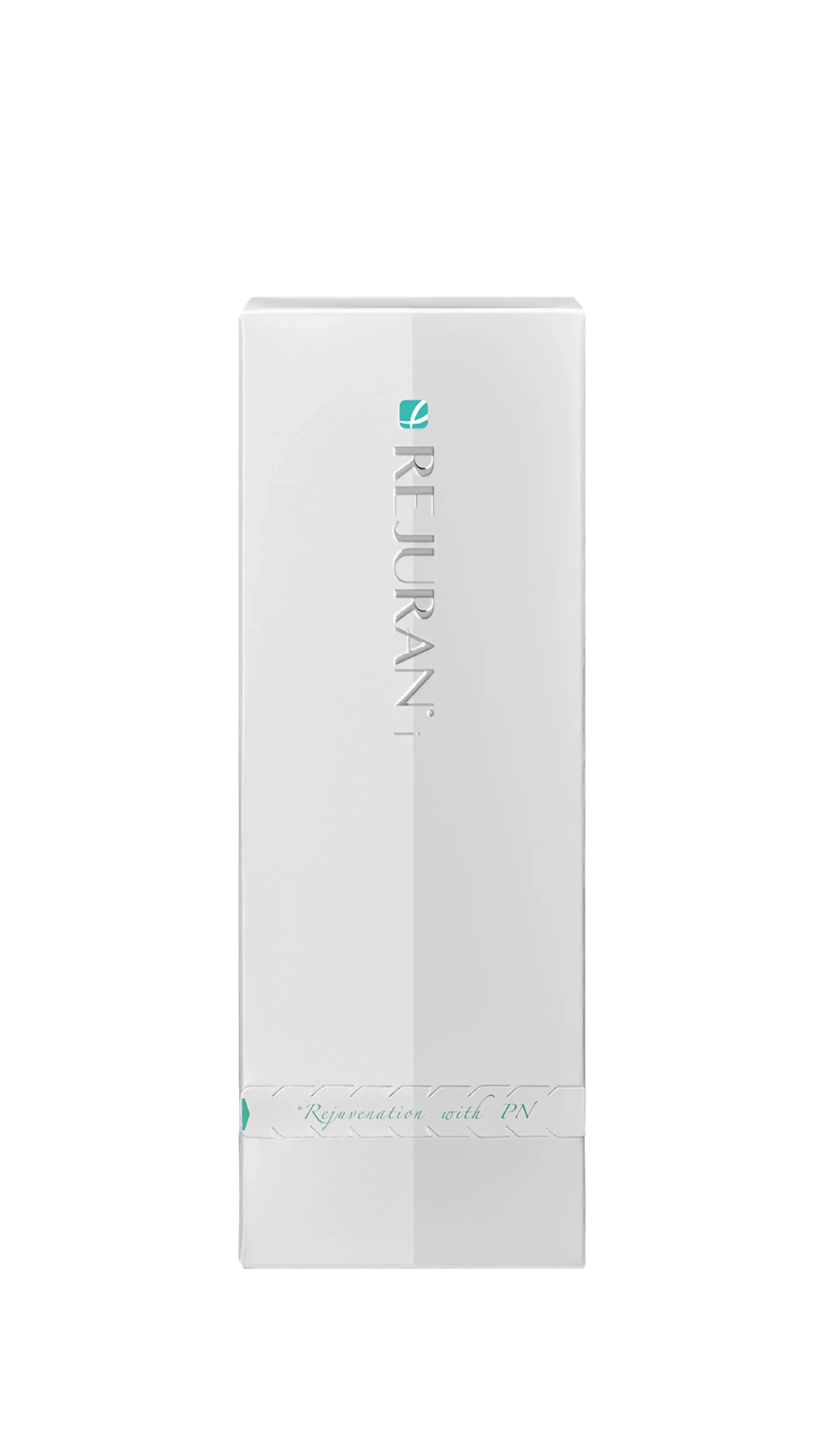
Polynucleotide is the chemistry of a family of skin-booster preparations — the proprietary Rejuran register among them — derived in most cases from salmon DNA fractions, placed as multi-point intra-dermal injections to address surface texture, hydration, and a modest collagen response. The published evidence base is supportive of modest, hedged claims and a multi-session frame; the protocol is offered most often as a recurring intervention rather than a single one. A reader for whom the chemistry matters is welcome to ask the consultation desk; the polynucleotide register is distinct from the polylactic-acid one. See also: [Rejuran](#term-rejuran), [skin booster](#term-skin-booster), [Juvelook](#term-juvelook).
R — Radiesse to Rejuran
The R-section anchors three of the more frequently named proprietary preparations and the radiofrequency family that bridges the energy-based and the regenerative-adjacent registers.
Radiesse
Radiesse is the proprietary calcium-hydroxylapatite preparation — a biostimulator with an immediate volumising effect supplemented by a stimulated collagen response over the following months. The preparation sits, in the editorial reading, between the immediate-effect HA register and the slow-onset PLLA register on both timeline and reversibility, with hyaluronidase reversal not addressing a CaHA placement. The careful Korean consultation will name the placement plane and the realistic outcome envelope rather than rest on the marketing register. See also: [calcium hydroxylapatite](#term-calcium-hydroxylapatite-caha), [biostimulator](#term-biostimulator), [Sculptra](#term-sculptra).
Radiofrequency (RF)
Radiofrequency is the energy-modality register in which alternating-current energy is delivered at defined tissue depths to drive a thermal collagen response — the family including the monopolar Thermage register, the bipolar and tripolar registers, and the radiofrequency-microneedling register. The depth, the impedance profile, and the feedback algorithm vary across the platforms, and the careful consultation will name the specific device rather than rest on the RF umbrella. The published evidence supports modest, hedged claims about laxity response across the family. See also: [Thermage](#term-thermage), [radiofrequency microneedling](#term-radiofrequency-microneedling), [HIFU](#term-hifu).
Radiofrequency Microneedling (RFM)
Radiofrequency Microneedling is the protocol family combining the controlled micro-injury of microneedling with the thermal-collagen response of radiofrequency — the proprietary devices including the Korean Inframe register, the Sylfirm X, the Genius platform, and the Morpheus8. The depth, the energy setting, and the insulation profile of the needles vary across platforms, and the careful consultation will name the specific device rather than rest on the RFM umbrella. The published evidence supports modest, multi-session claims; the careful operator hedges accordingly. See also: [microneedling](#term-microneedling), [radiofrequency](#term-radiofrequency).
Rejuran
Rejuran is the proprietary polynucleotide skin-booster preparation, marketed by Pharma Research and used widely across the Korean aesthetic register — placed as multi-point intra-dermal injections to address surface texture, fine lines, and a modest collagen response across a multi-session frame. The preparation sits in the polynucleotide register, distinct from the polylactic-acid one and from the hyaluronic-acid one on mechanism and timeline. A reader hearing Rejuran is welcome to ask which Rejuran formulation — the variants address differing depths and indications. See also: [polynucleotide](#term-polynucleotide-pn), [skin booster](#term-skin-booster).
S — Sculptra to SVF
The S-section is dense and consequential — the Sculptra biostimulator, the SMAS plane that anchors much of the deeper-energy conversation, the skin-booster umbrella, and the stromal-vascular-fraction register adjacent to the regenerative-medicine vocabulary.
Sculptra
Sculptra is the proprietary poly-L-lactic-acid biostimulator — its immediate effect modest and its collagen response unfolding over the following three to six months across multiple sessions, typically two to four. The preparation requires a careful reconstitution and an unhurried injection technique, and the careful Korean operator will, on request, name the protocol and the realistic outcome envelope. The reversibility profile is distinct from the HA register — hyaluronidase does not address a Sculptra placement — and the editorial reading is that the patient's expectation must be calibrated to the slow timeline. See also: [biostimulator](#term-biostimulator), [Radiesse](#term-radiesse).
Skin Booster
Skin Booster is the umbrella designation for a category of multi-point intra-dermal injectables — hyaluronic-acid preparations, polynucleotide preparations, polylactic-acid preparations among them — placed across a defined treatment field to address surface texture, hydration, and a modest collagen response, distinct from the volumising filler register. The careful operator will name the specific product and the placement density rather than rest on the umbrella booster term. A reader encountering the marketing register is welcome to ask, plainly, which booster and at what density. See also: [Rejuran](#term-rejuran), [Juvelook](#term-juvelook), [polynucleotide](#term-polynucleotide-pn).
SMAS (Superficial Musculo-Aponeurotic System)
Superficial Musculo-Aponeurotic System is the deeper fibromuscular layer of the face — the plane targeted by the senior high-intensity-focused-ultrasound platforms at the 4.5-millimetre depth, and the anatomical reference point for much of the energy-based lifting register. The SMAS plane is, in the surgical face-lift register, the structural target of the deeper plication; the energy-based platforms address the same anatomical layer non-surgically through a thermal-coagulation point and a downstream collagen response. The careful consultation will, on request, name the depth selected for the indication. See also: [HIFU](#term-hifu), [Ulthera](#term-ulthera).
Stem Cell
Stem Cell, in the regenerative-medicine register, is the umbrella designation for cells with the dual capacity for self-renewal and differentiation across one or more lineages — the autologous adipose-derived and bone-marrow-derived preparations sitting in the routine Korean aesthetic register, the embryonic and induced-pluripotent registers sitting outside it. A reader encountering the stem cell umbrella in marketing copy is welcome to ask which preparation, from which source, under which regulatory frame; the umbrella elides distinctions a thoughtful patient will want to understand. See also: [ADSCs](#term-adscs), [BM-MSCs](#term-bone-marrow-mscs-bm-mscs), [SVF](#term-svf).
SVF (Stromal Vascular Fraction)
Stromal Vascular Fraction is the heterogeneous cell pellet isolated from a lipoaspirate by enzymatic or mechanical processing — the preparation containing adipose-derived stem cells, endothelial progenitor cells, and a wider stromal cell population, distinct from the cultured-expansion ADSC register. The SVF preparation is, in the Korean regulatory frame, classified differently from the cultured-expansion product, and the careful consultation will name which preparation is being used. The cellular heterogeneity is, on the published evidence, both a feature and a hedge. See also: [ADSCs](#term-adscs), [adipose-derived](#term-adipose-derived-stem-cells-adscs), [autologous](#term-autologous).
T — Thermage to Thread Lift
The T-section anchors the Thermage monopolar-radiofrequency register that has held senior status in the Korean energy-based conversation for two decades, and the thread-lift register adjacent to it.
Thermage
Thermage is the proprietary monopolar-radiofrequency platform, manufactured by Solta Medical, used for skin tightening across multiple body regions through the application of high-frequency RF energy at a defined tissue depth — the platform that has, in our reading, held a senior position in the Korean energy-based register for nearly two decades. The successive generations — CPT, FLX — have refined the feedback algorithm and the tip area; the careful consultation will, on request, confirm which generation is being used. See also: [radiofrequency](#term-radiofrequency), [Thermage FLX](#term-thermage-flx), [HIFU](#term-hifu).
Thermage FLX
Thermage FLX is the fifth-generation Thermage platform — its appeal resting on the AccuREP feedback algorithm and the larger tip area relative to the prior CPT generation, with the practical effect a faster treatment and a more even energy delivery across the treatment field. The careful consultation will, on request, confirm which Thermage generation is being used; some Korean practices retain the CPT platform alongside the FLX, and the value-tier and the senior-tier offerings are not, on the editorial reading, equivalent. See also: [Thermage](#term-thermage), [radiofrequency](#term-radiofrequency).
Thread Lift
Thread Lift is the procedural register in which absorbable lifting threads are placed in the subcutaneous tissue to drive a contour and collagen response — the protocol distinct from the surgical face-lift register on both invasiveness and durability. The realistic outcome envelope is, on the published evidence, modest relative to the marketing register, and the careful Korean operator will hedge the duration claim accordingly — the lift visible at three months is not, in our reading, the lift visible at twelve. See also: [lifting thread](#term-lifting-thread-pdo-pcl-plla), [PDO threads](#term-pdo-threads).
U — Ulthera to Umbilical Cord Stem Cells
The U-section closes on the Ultherapy register that, alongside Thermage, anchors the senior tier of the Korean energy-based conversation.
Ulthera / Ultherapy
Ulthera is the proprietary high-intensity-focused-ultrasound platform manufactured by Merz, with Ultherapy the procedural designation — the platform delivering focused ultrasound energy at the 1.5-, 3.0-, and 4.5-millimetre depths to drive a thermal-coagulation response at the SMAS plane and a downstream collagen response. The platform has, in our reading, held senior status in the Korean energy-based lifting register since its introduction, with the depth precision and the visualisation feature distinguishing it from the value-tier HIFU register. See also: [HIFU](#term-hifu), [SMAS](#term-smas), [Doublo](#term-doublo).
Umbilical Cord Stem Cells
Umbilical Cord Stem Cells are the mesenchymal-lineage cells derived from donated umbilical-cord tissue under regulated tissue-banking conditions — an allogeneic preparation distinct from the autologous register, and offered in Korea principally within registered clinical-trial frames rather than the routine aesthetic clinic. A reader encountering an umbilical-cord stem-cell offer outside the trial register is welcome to ask, plainly, under which regulatory frame the preparation is being used. The careful editorial position is that the published evidence is preliminary in the aesthetic indication. See also: [allogeneic](#term-allogeneic), [stem cell](#term-stem-cell).
V — Vampire Facial to Volume Loss
The V-section is brief and closes the alphabet on a term whose marketing register has, in our reading, run somewhat ahead of the editorial honesty.
Vampire Facial
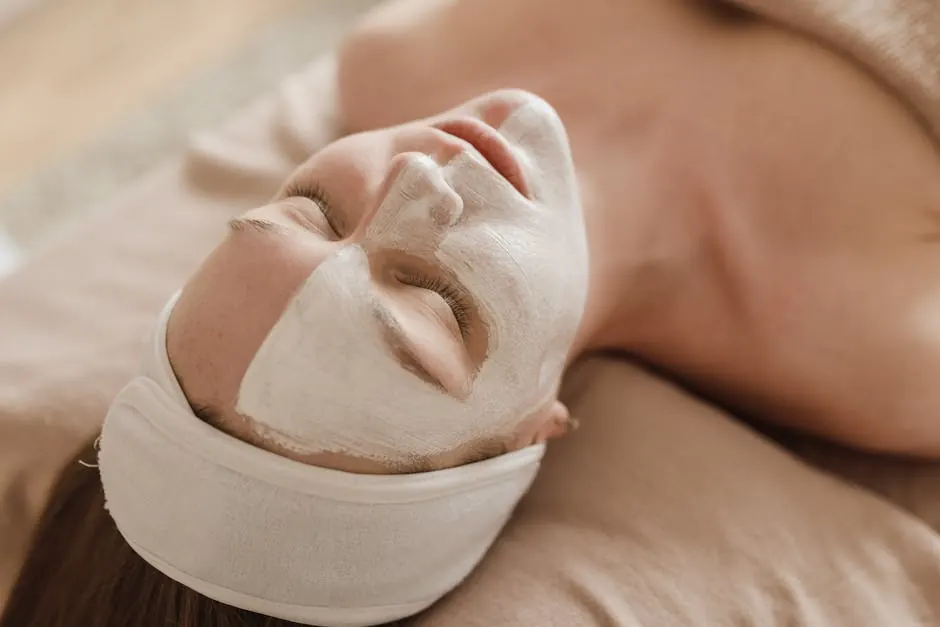
Vampire Facial is the marketing register, of relatively recent coinage, for a microneedling protocol combined with the topical application of autologous platelet-rich plasma — the term itself a marketing artefact rather than a clinical designation, and one the careful Seoul operator will, on request, translate into the more straightforward PRP-augmented microneedling frame. The published evidence base is, on careful reading, modest rather than definitive; the careful operator will hedge the outcome envelope. A reader hearing vampire facial is welcome to ask which protocol, plainly named. See also: [PRP](#term-platelet-rich-plasma-prp), [microneedling](#term-microneedling).
Volume Loss
Volume Loss is the editorial register, in the Korean aesthetic-medicine consultation, for the age-associated reduction in subcutaneous and deeper facial fat compartments — a frame distinct from the surface-texture and laxity registers, addressed principally with the dermal-filler and biostimulator families rather than with the energy-based one. The careful consultation will, on request, distinguish the volume register from the laxity one and propose the appropriate pathway for each — some indications respond best to volume restoration, some to lift, some to a layered combination. See also: [dermal filler](#term-dermal-filler), [biostimulator](#term-biostimulator), [fat grafting](#term-fat-grafting).
Frequently asked questions
Why is the glossary alphabetised rather than grouped by procedure family?
The alphabetised reading was, in our editorial judgment, the more useful frame for a visitor encountering the vocabulary at speed — at the consultation desk, in the consent paperwork, or on the clinic's price sheet. A procedure-family grouping would, on reflection, have reproduced the marketing taxonomy rather than the reader's encounter with it. The cross-references inside each term carry the family relationships.
Are the proprietary device and product names — Thermage, Ulthera, Rejuran — endorsed by the editorial?
The proprietary names are descriptive rather than endorsed. The careful Seoul consultation will name the specific platform or preparation being used; the glossary's role is to make those names legible to the international reader rather than to recommend among them. A reader should treat the editorial register as a translation aid and the consultation as the appropriate site for any clinical conclusion.
How current is the published evidence base referenced across the entries?
The references draw on the published consensus literature through the most recent year for which a settled review has appeared — broadly through 2024 — and the entries hedge their claims accordingly. The regenerative-medicine and exosome registers, in particular, are areas in which the evidence base is moving more quickly than the marketing copy, and the editorial position is to read both with appropriate caution.
Where the term carries a regulatory connotation, which jurisdiction's framework is referenced?
The Korean regulatory framework — the Ministry of Food and Drug Safety classification register and the Korea Health Industry Development Institute foreign-patient registration framework — is the operative reference point for the entries. A reader from another jurisdiction may find the equivalent term carries a different connotation; the careful clinic will, on request, walk through the comparison.
Are surgical procedures included?
The glossary's scope is the non-surgical register that anchors the routine Gangnam aesthetic-medicine consultation. A small number of surgical-adjacent terms — genioplasty among them — are included where the consultation register frequently encounters them as a referral pathway. The fuller surgical taxonomy sits outside the editorial scope of this reference.
How should a reader use the glossary in advance of a consultation?
The most useful reading, in our editorial judgment, is to mark the four or five terms a reader expects to hear in the consultation — the specific procedure under consideration, the relevant adjacent protocols, the regulatory frame — and to bring the marked entries into the room. The careful operator will, on request, expand any of the terms in plainer language; the consultation moves more quickly when the reader and the operator are working from a shared vocabulary.
Is the hedging language a reflection of regulatory caution or editorial preference?
Both, in honest editorial reading. The Korean regulatory frame requires that aesthetic-medicine claims be appropriately calibrated, and the editorial preference of this glossary is to preserve the hedging that the more careful Seoul operators use in the consultation register. A reader encountering an unhedged claim in marketing copy is welcome to bring the glossary's register into the conversation.
Will the glossary be updated?
The reference is reviewed across the editorial year as new preparations enter the Korean aesthetic register and as the published evidence base resettles around existing ones. The dateModified field on the schema reflects the most recent review. A reader noting an omission or a register that has shifted is welcome to contact the editorial desk.