A Reader's Seoul
Gangnam with Children: A Family Wellness Itinerary
A working itinerary for travellers bringing children to Gangnam — kids' cafes, museum afternoons, and the recovery-friendly rhythms that make the district more navigable than the guidebooks suggest.
Gangnam with children unfolds, on a careful first visit, the way Causeway Bay does for a Hong Kong family who knows where the lifts are — denser than it looks, but navigable. The district between Sinsa and Samseong-dong holds a surprising depth of children's cafes, museum-grade kids' galleries, and quiet recovery-friendly afternoons the standard guidebooks rarely organise. 帶住小朋友嚟首爾真係冇想像中咁難, a friend in Mid-Levels texted me after her first family stay. She wasn't wrong, exactly. The room is rarely louder than a Lee Garden Three weekend afternoon.
What recommends Gangnam for a family wellness trip
Gangnam recommends itself for a family wellness trip on three counts that the standard travel coverage tends to under-report — the density of high-quality kids' cafes within a five-minute taxi of the major clinic addresses, the museum-grade children's programming at the Samsung complex and the COEX, and a hotel infrastructure that takes family travel seriously without insisting on theatre. The neighbourhood is, in my reading, easier with children than Hannam-dong or Hongdae for the simple reason that the lifts are everywhere, the pavements are wide, and the indoor-to-indoor transitions are short — which matters in February as much as it does in August. What recommends the district for a parent who is also a clinic patient is the parallel infrastructure: the kids' cafes that allow a single adult to read for ninety minutes while a trained playworker supervises; the hotel kids' clubs that run on the same hours as the clinic; the late-afternoon museum slots that read gently on a freshly treated face. The price point is not modest — Gangnam's family infrastructure runs at Tokyo levels, sometimes higher — but the quality matches the price, and the discretion of the better rooms is the kind of undramatic hospitality I associate with the Mandarin Oriental's Cake Shop on a Sunday. Most parents I host stay three to five days. Most leave with a working itinerary they reuse.

Kids' cafes: the Gangnam category, properly understood
A kids' cafe in Gangnam is a hybrid category Western travellers rarely encounter at home — part indoor playground, part licenced childcare during the visit, part adult cafe with a serious coffee programme — and it is the single most useful piece of infrastructure for a parent on a wellness itinerary. The flagship for the Sinsa side is Hello Nature in Garosu-gil, which runs a 1,200-square-metre indoor play environment alongside a parent lounge serving a Felt-comparable specialty coffee menu; the supervision is genuinely staffed, the entry runs roughly twenty thousand won per child for two hours, and the parent lounge is quiet enough to read. On the Apgujeong side, Tiny Berry near Hyundai Department Store keeps a similar register — smaller footprint, calmer interior, organic snack programme — and is the room I recommend for a parent who wants ninety minutes of genuine quiet between a clinic appointment and an afternoon walk. For the Samseong-dong corridor, the Children's Museum at the Samsung complex and the Aquaplanet at COEX both run drop-in programmes with timed entry, which is gentler on a treated face than the open-ended kids' cafe model. The pattern across the category: the better rooms cap their entry numbers, the supervision is real, and the parent lounge is treated as a serious adult space rather than an afterthought. One arrives, one is offered tea, one's child is engaged within five minutes. It is the older sense of hospitality, applied to a category Hong Kong has not quite worked out yet.
Museums and quiet afternoons for families
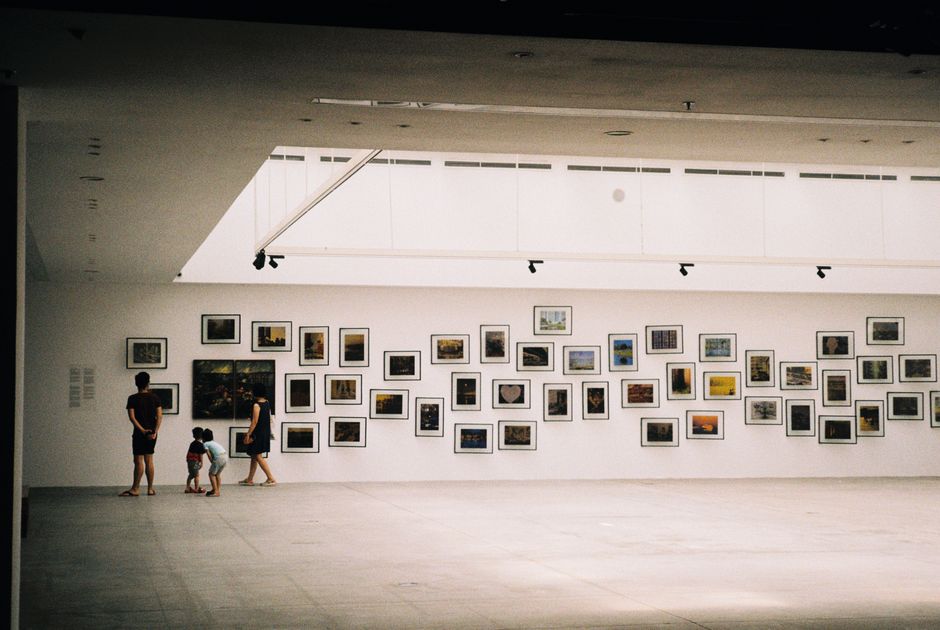
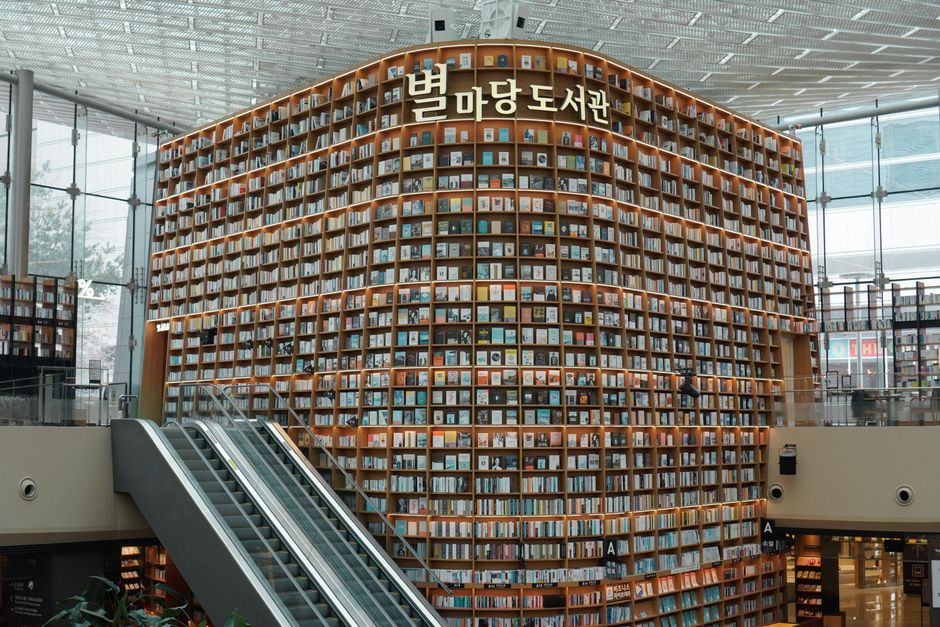
The museum afternoon is, for a parent on a wellness itinerary, the single most reliable structure — gentler lighting, timed entry, and the kind of programmed pacing a kids' cafe cannot quite match. The Leeum Samsung Museum of Art runs a children's gallery on weekend afternoons that draws as much from the contemporary collection as from purpose-built installations, and the building itself — a Mario Botta and Rem Koolhaas collaboration — gives even an unenchanted child something to look at for an hour. A short taxi south, the Some Sevit floating islands at Banpo include a quiet exhibition space and a riverside walk that reads well in late afternoon. For science and nature, the Samseong-dong corridor holds the Aquaplanet at COEX and the Starfield Library — the latter is not a children's space but functions as one for a literate child, and the architecture alone repays the visit. The pattern across the category: weekday afternoons are quieter than the listings suggest, the staff are uniformly trained in the small grammar of a child's museum visit, and most major rooms allow re-entry within the same day. For visitors building this itinerary alongside a clinic appointment, the museum hour and a quiet roastery hour pair cleanly — one parent, one child, one cup of tea, ninety minutes of low-stimulation programming on either side.
Hotels and serviced apartments that take family travel seriously
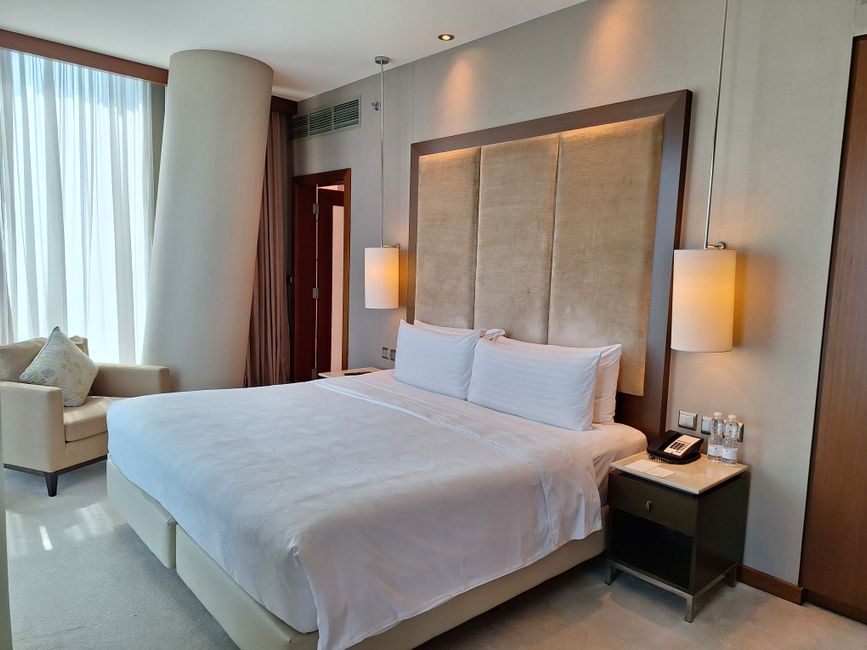
Family hotel infrastructure in Gangnam is more developed than the casual visitor first assumes, and it is, in my reading, the single decision that most determines how a family week reads. The Park Hyatt Seoul on Teheran-ro keeps a quietly excellent family programme — adjoining rooms readily arranged, a kids' welcome amenity that is genuinely thought through rather than perfunctory, and a concierge who knows the kids' cafe and museum bookings without needing prompting. Grand Hyatt Seoul, on the southern slope of Namsan and a short taxi from most Gangnam clinic addresses, runs a kids' club through high season and a quieter family programme through the rest of the year — the outdoor pool is the draw in summer, the indoor lounges in winter. For longer stays, the serviced apartments at Fraser Place Central and Oakwood Premier in Gangnam-gu offer two- and three-bedroom layouts with kitchenettes, washer-dryers, and the kind of discreet check-in that a family on a clinic itinerary tends to prefer. The price differential is meaningful — the serviced apartments often work out to roughly seventy per cent of an equivalent hotel night when divided across the room — and the practical comfort of a separate bedroom for a child after an early bedtime is hard to overstate. The room — and this matters — is rarely louder than a private library, even on a Friday evening.
Recovery-friendly outings: pacing the day for a treated parent
Pacing a Gangnam day for a parent who has had a non-invasive consultation or treatment is, in practice, the central editorial question of this itinerary, and the answer is simpler than the guidebook category suggests. The morning belongs to the indoor kids' cafe — supervised, quiet, ninety minutes minimum, with the parent reading on the lounge side. Lunch is unfussy and within walking distance: Tiny Berry, Hello Nature, and Plant Cafe Gangnam all run kid-friendly menus that do not pretend to be restaurants. The early afternoon belongs to the museum or the COEX corridor — timed entry, gentle lighting, the kind of programmed pacing a child responds to and a treated face appreciates. The late afternoon, if the trip allows it, is the roastery hour: most Sinsa upper-tier rooms welcome a quiet child for thirty to forty-five minutes, and the better rooms keep a small selection of warm milk and biscuit options. Dinner, on a clinic day, is best taken in the hotel — room service is more capable than most parents assume, the staff understand the question without it being asked, and the seven-thirty bedtime holds. For visitors building this rhythm into a longer trip, the related guides on this site cover hotel options for wellness travellers and what to do in Gangnam between appointments. The Korea Tourism Organization's family travel pages, for the broader context, are a useful first reference.
A practical map: ten rooms by category
The ten rooms below are the ones I return to with families across visits, organised by category rather than ranked — kids' cafes, museum-grade galleries, family-friendly hotels, and the quiet recovery-friendly afternoons that hold the day together. I have left out the larger amusement parks south of the river — Lotte World, Everland — which read better as a separate day trip than as part of a Gangnam-centred wellness rhythm. Each address is a short taxi or walk from a major Sinsa, Apgujeong, or Samseong-dong landmark, and most of the kids' cafes accept reservations through KakaoTalk channels or directly through the Korea Tourism Organization's family travel portal. A note on hours: the kids' cafes open at ten and close around seven; the museums run a Tuesday-to-Sunday rhythm with a Monday closure that catches travellers out more often than it should.
| Category | Room | Neighbourhood | Best window |
|---|---|---|---|
| Kids' cafe | Hello Nature Garosu-gil | Sinsa | Late morning |
| Kids' cafe | Tiny Berry | Apgujeong | Early afternoon |
| Museum | Leeum Samsung Museum of Art (kids' gallery) | Hannam-Apgujeong border | Weekend afternoon |
| Museum | Aquaplanet COEX | Samseong | Weekday afternoon |
| Museum | Starfield Library | Samseong | Late afternoon |
| Hotel (family) | Park Hyatt Seoul | Teheran-ro | Multi-night |
| Hotel (family) | Grand Hyatt Seoul | Namsan-Hannam | Summer or winter |
| Serviced apartment | Fraser Place Central Seoul | Gangnam-gu | Long stay |
| Serviced apartment | Oakwood Premier Coex | Samseong | Long stay |
| Quiet outing | Some Sevit Banpo riverside | Banpo | Late afternoon |
How a family wellness week settles into rhythm
A family wellness week in Gangnam, treated as a working itinerary rather than a list of attractions, settles into a rhythm I now recognise across most of the visitors I host — a kids' cafe morning, a clinic appointment for one parent during the supervised window, a quiet lunch within walking distance, a museum or COEX afternoon, a roastery or hotel-lounge hour, and an early dinner in the hotel. The rhythm holds whether the trip is three days or ten, and it holds whether the children are toddlers or near-teens, with the museum and Starfield Library hours shifting up the age range cleanly. For visitors planning a regenerative or stem cell consultation alongside the family trip, the related guides on this site cover the broader question of what to do in Gangnam between appointments and Apgujeong dining for the omnivore evenings on the same trip. The family infrastructure here, treated as part of the recovery rhythm rather than as a separate logistical question, has become — in my reading — the single most undervalued reason families now choose Gangnam over Itaewon or Hannam for a wellness-focused stay.
“The kids' cafes here cap their entry numbers, the supervision is real, and the parent lounge is treated as a serious adult space rather than an afterthought.”
Liu Mei-Hua, on Gangnam's family infrastructure
Frequently asked questions
Is Gangnam genuinely workable for a family with young children, or is Hannam-dong easier?
Gangnam is, in my reading, the easier district once one understands the small infrastructure — the lifts, the wide pavements, the kids' cafe density, and the hotel programmes that run on a working schedule. Hannam-dong reads better for a couple's weekend; Gangnam reads better for a family week with a clinic itinerary woven through. The taxi infrastructure between the two is, in any case, ten to fifteen minutes.
What is a kids' cafe and how does it differ from a Western indoor playground?
A kids' cafe in Gangnam is a hybrid category — supervised indoor play environment, parent lounge with a serious coffee programme, and a timed-entry model that caps the room. The supervision is genuinely staffed rather than custodial, the parent side is treated as a real adult space, and the entry runs roughly fifteen to twenty-five thousand won per child for ninety minutes to two hours. Hello Nature and Tiny Berry are the two flagships.
Are there museums in Gangnam that work for children under five?
The Leeum Samsung Museum of Art runs a weekend children's gallery that reaches down to about age four, and the Aquaplanet at COEX works for under-fives during the quieter weekday afternoons. The Starfield Library is not a children's space but functions as one for a literate child or a curious toddler accompanied closely. For very young children, the kids' cafe model is, in practice, the more reliable structure than the museum hour.
Which hotels handle family travel best for a wellness itinerary?
The Park Hyatt Seoul keeps the most thoughtful family programme — adjoining rooms readily arranged, a genuinely useful welcome amenity, and a concierge who knows the local kids' cafe and museum landscape. Grand Hyatt Seoul runs a fuller kids' club through high season. For longer stays, Fraser Place Central and Oakwood Premier offer serviced apartments that work out to roughly seventy per cent of an equivalent hotel cost when divided across the room.
How do families typically structure a clinic day with children in tow?
The pattern most visitors settle into is a morning kids' cafe with one parent supervising, a midday clinic appointment for the other parent, a quiet lunch nearby, an afternoon museum or COEX visit with both parents, and an early dinner in the hotel. The hotel kids' clubs cover the longer clinic windows on the days a procedure runs longer than expected. The rhythm holds across most non-invasive consultation types.
Are restaurants in Gangnam genuinely accommodating to children?
The kids' cafes and the casual lunch rooms — Plant Cafe Gangnam, Tiny Berry, Hello Nature — are uniformly accommodating. The upper-tier dining rooms in Apgujeong handle children gracefully but are not the rooms for a tired toddler. For a parent recovering from a non-invasive treatment, room service in any of the major hotels is the more reliable evening structure than a restaurant attempt with a five-thirty bedtime.
What about pram and stroller access across the district?
Gangnam handles prams and strollers more gracefully than the casual visitor expects — the lifts are everywhere, the pavements are wide, the major shopping complexes are pram-accessible end to end, and the kids' cafe entrances all accommodate a folded pram. The exception is the Garosu-gil tree-lined stretch on a busy weekend, which reads more comfortably without a pram. Taxis universally accept prams; the infant-seat protocol is gentler than in Hong Kong or Singapore.
Is there a quiet riverside or outdoor space within walking distance of the clinic district?
The Some Sevit floating islands at Banpo and the riverside walk along the Han are the gentler outdoor options, and both read well in the late afternoon when the light softens. The Apgujeong-ro back lanes hold a few small parks that work for a thirty-minute stop. For a longer outdoor afternoon, Seoul Forest in Seongsu-dong is a fifteen-minute taxi north and worth the detour for an older child.