A Reader's Seoul
The Non-Medical Spa Edit: Gangnam's Best Massage and Bodywork
Hotel spas, Korean bodywork houses, and foot reflexology rooms — read from a Hong Kong table, paced for the visiting traveller.
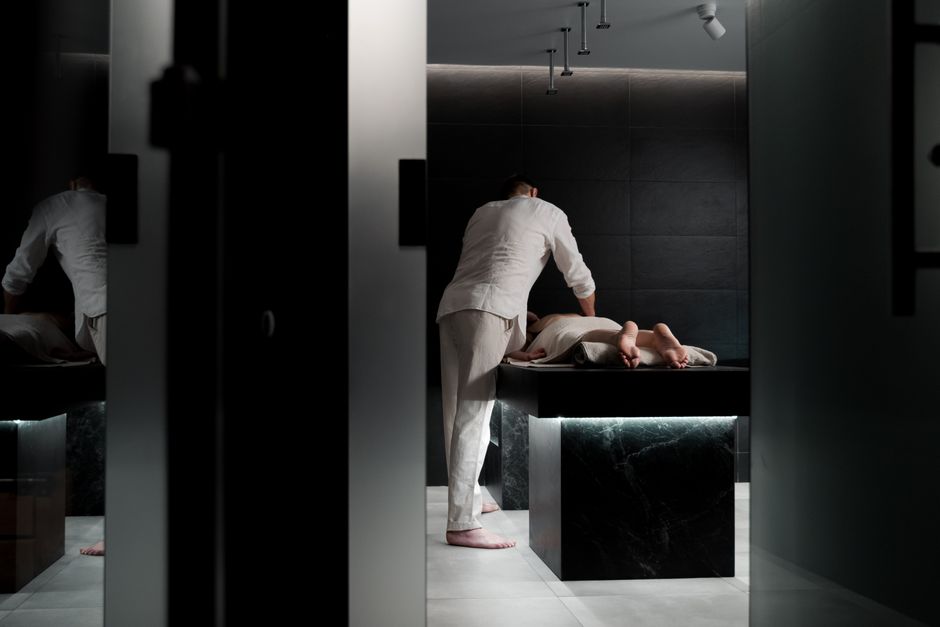
Gangnam reads, on the spa map, the way the upper floors of a Mandarin Oriental read — discreet, layered, lit at hotel temperature. The avenue between Apgujeong and Cheongdam houses a quietly serious bodywork culture; the houses range from twenty-fifth-floor hotel spas to single-room foot reflexology suites tucked above a Sinsa cafe. Hong Kong palates recognise the register. What Seoul has done — and this matters — is keep the non-medical spa entirely separate from the medical-aesthetic clinic, regulating the two on different licensing tracks. The result is a spa landscape one reads for what it actually is — massage, bodywork, hammam, foot reflexology — without the cross-contamination of consultation language.
What a non-medical spa actually is in Gangnam
A non-medical spa in Gangnam is a licensed massage, bodywork, hammam, foot reflexology, or wellness facility operated under the public-bath, sports-massage or beauty-services regulatory tracks — entirely distinct from the medical-aesthetic clinic register, which sits under hospital and clinic law. The categorical separation is enforced at licensing and at signage; a non-medical spa cannot lawfully advertise medical claims, prescribe topical products outside the cosmetics register, or perform any procedure crossing the dermal barrier. What this gives the visitor is clarity. One reads a hotel spa, a Korean bodywork room, or a foot reflexology suite for what it is — a hospitality service — and reads a clinic, separately, for what it is. The two surfaces do not, in good practice, blur. 分清楚, as one would say in Causeway Bay; one reads the address, the licensing notice at the entrance, and the price card before arriving. The spa landscape in Gangnam concentrates in three quarters: Cheongdam and Apgujeong for the hotel-grade rooms, Sinsa for the boutique bodywork houses, and the broader Gangnam-gu corridor for foot reflexology and jjimjilbang-adjacent suites — though the latter is a category we treat separately in our jjimjilbang luxury edit.

The Cheongdam hotel spa cluster
Cheongdam keeps the most refined hotel spas in the city — and these are the rooms a Hong Kong reader will recognise on first arrival. The spas at the Park Hyatt Seoul, Josun Palace, the Shilla, the Intercontinental Coex and the Grand Hyatt Seoul read as the working benchmark; treatment suites are stone-and-wood, lighting is hotel-grade, and the menu runs from sixty-minute targeted bodywork to three-hour layered protocols using the house's own ritual signature. Pricing here sits between KRW 250,000 and KRW 600,000 per session — broadly USD 180 to USD 440 — with longer rituals and couples' suites running higher. The strength of the hotel spa, in my reading, is not the technique alone but the orchestration; one arrives early, undresses in a private suite, is offered tea, and the treatment is paced as part of an afternoon rather than a discrete event. English service runs reliably; Mandarin service runs at the Park Hyatt and Josun by request. For visitors planning a recovery-paced afternoon, the hotel spa reads more gently than a Korean bodywork house — the room temperature, the pressure register, and the pacing all sit closer to a Mandarin Oriental Spa rhythm than to a anma room. Several of these spas keep external-guest rates that do not require a hotel stay; a phone reservation, three to five days ahead, secures the slot.
Korean bodywork houses — anma, sports massage, and aroma
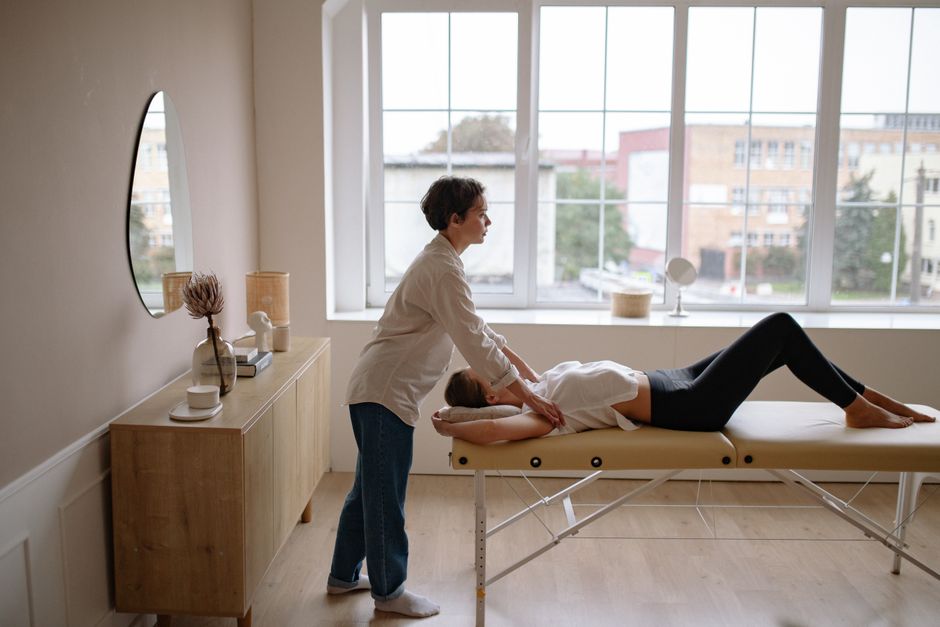
The Korean bodywork house is the second register, and the one most visitors miss. The houses cluster across Sinsa, Apgujeong-rodeo and the southern half of Cheongdam; treatment styles run from anma — a Korean adaptation of Japanese pressure-based massage — to deep-tissue sports massage and aroma-led Swedish protocols. Pricing sits between KRW 80,000 and KRW 180,000 for sixty to ninety minutes, which reads as a meaningful step below the hotel-spa tier. The rooms are smaller, the lighting warmer, and the pressure register firmer; a Hong Kong reader accustomed to the tui na register at Sense of Touch in Wan Chai will find the experience legible. Several of the better Sinsa houses run a bilingual booking system through Naver Map and accept walk-ins for the early-evening hour; for the more discussed rooms, a phone reservation is recommended. What recommends the bodywork house is the directness — one comes for a treatment, not an afternoon — and the pricing-to-quality ratio, which reads favourably against Hong Kong for comparable craft. Visitors mapping the broader Sinsa quarter may wish to read the spa note alongside our Garosu-gil walking guide; the bodywork houses sit inside the same walking radius.

Foot reflexology — the visitor's working answer
Foot reflexology rooms are, in my reading, the single most underused spa category in Gangnam — and the most useful for the visitor on a tight schedule. The rooms cluster across Apgujeong and the Sinsa corridor and run as small, six-to-twelve-chair suites; pricing sits between KRW 35,000 and KRW 70,000 for forty-five to seventy-five minutes, which reads as the lowest-friction wellness format in the quarter. The technique blends Chinese reflexology — the zu liao register a Hong Kong reader will recognise from the Bonham Strand rooms — with Korean adaptations and, at the better suites, calf and shoulder add-ons. The format suits the post-shopping hour; one walks in, removes shoes, and is offered tea and a hot foot bath before service. Several rooms keep an English- and Mandarin-capable receptionist; the better ones run booking through Naver Map. For visitors handling a long walking day — Apgujeong-rodeo, Galleria, dinner — a forty-five-minute foot session at six in the evening reads as the working answer. The room temperature is gentle, the pressure register adjustable, and the pacing forgiving. A note on add-ons: most rooms offer a calf-and-knee extension at twenty to thirty minutes for an additional KRW 20,000 to KRW 35,000, which I would recommend on a heavy walking day. Several suites keep recliner-paired television with English subtitle channels available; one can ask at reception.
Hammam, scrub and the Korean public-bath crossover
The Korean scrub — seshin — sits at an interesting crossover. The technique is most associated with the jjimjilbang register, but several Gangnam spas have brought it into the hotel-grade and boutique-bodywork rooms with private-suite delivery. A scrub-and-massage layered ritual runs between KRW 180,000 and KRW 380,000 at the Cheongdam tier and forty to seventy percent below at the boutique tier. The technique is direct — a thorough exfoliation using a textured mitt, followed by an oil massage — and reads as more vigorous than a hammam at a Bulgari Spa would. A first-time Hong Kong reader is best served at the boutique tier rather than the hotel tier; the experience is more legible at smaller scale. Hammam-style protocols — steam room, scrub table, soap massage — are available at a small number of Gangnam spas that have brought the format from Istanbul and Marrakech; the rooms run private-suite at the hotel tier. A note on cultural pacing: the scrub is direct and unshy by design; a Hong Kong reader accustomed to the more indirect register of a Mandarin Oriental Spa hammam will recognise the delta. Booking the boutique format with a clear-pressure note is the working protocol.
Pacing a spa day around a treatment week
For a Hong Kong visitor in Seoul on a wellness-paced trip, the spa day is best read against the rest of the week. A hotel-grade massage at the Cheongdam tier reads gently and pairs with a quiet evening; a Korean bodywork house with deep-tissue work reads more vigorous and benefits from a rest day after. A scrub ritual is best held for the second half of the trip — the skin recovery is approximately twenty-four to forty-eight hours, and a fresh scrub immediately before any aesthetic appointment reads against the room. Foot reflexology, by contrast, reads gently throughout and can be repeated. The pacing I recommend, on a five-day visit, is this: a hotel-grade massage on day one, a foot reflexology session on day two, a Korean bodywork house on day three, a quiet rest day on day four, and a scrub-and-aroma layered ritual on day five. The recovery suite of our post-treatment hotel guide reads usefully alongside; the Han River promenade walk reads as the gentle counter-pace between sessions. The Korea Tourism Organization keeps a useful primer on the regulatory difference between non-medical and medical spas; reading it once before arrival clarifies the licensing landscape.
Booking, English service, and what to ask at reservation
Spa reservations in Gangnam follow a logic that is closer to Hong Kong than to many Western markets, but with one or two adjustments. The dominant booking surface is Naver Map's reservation tab and the spa's own website; phone reservations remain common at the hotel tier. Catch Table — the English-friendly reservation platform — lists a meaningful subset of hotel spas and accepts foreign cards. A hotel concierge will book on a guest's behalf with several days' notice. At reservation, the four useful questions are: the therapist's English or Mandarin capacity; the pressure register on the day; whether a single-gender therapist is requested; and the cancellation window — typically twenty-four to forty-eight hours, with a no-show fee at the hotel tier of KRW 50,000 to KRW 150,000. Couples' suites and the longer layered rituals book three to five days ahead; the foot reflexology rooms accept walk-ins outside the post-work peak. A passport is not required at the spa; a credit card on file is the working norm. Tipping is not customary and not expected. A small note on hotel-spa pre-treatment: most rooms run a five-to-ten-minute consultation with a therapist before service, in which pressure preferences, problem areas, and any oil sensitivities are noted in writing. Hong Kong readers accustomed to a Mandarin Oriental briefing will find the format familiar; the form is offered in English and Mandarin at the better rooms. Arriving twenty minutes early — for tea, the consultation, and a quiet sit — reads as the working protocol.
Frequently asked questions
How is a non-medical spa different from an aesthetic clinic in Korea?
The two surfaces are licensed on entirely different regulatory tracks — non-medical spas under the public-bath, sports-massage and beauty-services rules, and aesthetic clinics under hospital and clinic law. A non-medical spa cannot lawfully advertise or perform any procedure crossing the dermal barrier. The categorical separation is enforced at signage, licensing and price card; one reads each surface for what it is. A spa is a hospitality service, not a clinic.
What is the typical price range for a hotel-grade massage in Gangnam?
Hotel spa treatments at the Park Hyatt, Josun Palace, the Shilla and the Grand Hyatt run between KRW 250,000 and KRW 600,000 for sixty to one hundred and twenty minutes — broadly USD 180 to USD 440. Layered rituals and couples' suites run higher. External-guest rates without a hotel stay are commonly available; a phone reservation three to five days ahead is the working route. Service charges are typically included; tipping is not expected.
Are Korean bodywork houses comfortable for English-speaking visitors?
Most of the better Sinsa and Apgujeong bodywork houses run a bilingual booking system through Naver Map; English is spoken at the front desk at the better houses, though the therapist may communicate primarily through gesture during service. Mandarin runs reliably at several houses by request. For first-time visitors uncomfortable with the language register, a hotel spa reads more gently; for visitors who recognise the tui na register, the bodywork house reads directly.
Is a Korean scrub recommended on a recovery week?
A Korean scrub — seshin — is direct and benefits from a twenty-four to forty-eight hour skin recovery before any aesthetic appointment; scheduling a fresh scrub immediately before a clinical visit reads against the room. The protocol I recommend, on a wellness-paced trip, is to hold the scrub for the second half of the week, after any clinical bookings have settled. Hotel-tier private-suite delivery is the most legible format for a first-time Hong Kong reader.
How does Gangnam's spa landscape compare with Hong Kong's?
The hotel-grade tier reads broadly equivalent to the Mandarin Oriental Spa or the Four Seasons Spa in Central — same room temperature, same orchestration, comparable craft. The Korean bodywork house reads more directly than its Hong Kong counterpart; pricing is meaningfully below Hong Kong for similar quality. Foot reflexology is more abundant in Gangnam than in most Hong Kong districts. The scrub category has no real Hong Kong equivalent and is worth experiencing once.
Can I book a single-gender therapist?
Yes — most spas in Gangnam accommodate a single-gender therapist request at booking, and several houses default to female therapists for female guests. The hotel tier confirms in writing at reservation; the boutique tier confirms by phone. The request is not unusual and not stigmatised. For couples' bookings, mixed and matching-gender therapist arrangements are both available; the request belongs at booking, not on arrival.
Are walk-ins accepted at any of these spa categories?
Foot reflexology rooms accept walk-ins outside the post-work peak — broadly four-to-seven on weekdays, when the rooms fill. The Korean bodywork houses accept walk-ins at the early-evening hour but read more reliably with a one-hour-ahead phone reservation. Hotel spas do not, in practice, accept walk-ins; the room scheduling and pre-treatment briefing do not support them. Plan three to five days ahead for the hotel tier.
How should I dress for a hotel-grade spa visit?
Smart casual reads correctly across all hotel spas — a tailored shirt, a quiet jacket, comfortable trousers; the spa provides robe, slippers and disposable undergarments at the suite. One arrives twenty to thirty minutes before service to settle, change and accept the welcome tea. Jewellery is removed and stored in the suite locker; phones are silenced. The pacing reads, in my view, more like a hotel-suite afternoon than a clinical appointment.