Travel & Culture
Gangnam's Quiet Museum Circuit: Six Galleries Off the Map
Sinsa to Cheongdam, on foot, in a single afternoon — the rooms most guidebooks file too late, or not at all.
Gangnam is famously read by its avenues — Sinsa, Garosu-gil, Apgujeong Rodeo, Cheongdam — and rarely by its rooms. The district holds, on a careful count, a small but seriously edited circuit of private museums and gallery foundations: Horim Art Center, Songeun, two or three discreet collector spaces and a handful of single-floor galleries that publish exhibitions the way Lee Garden Three publishes its retail calendar — quietly, and to a knowing audience. Six addresses, walked in sequence on a slow afternoon, compose the kind of Saturday I would describe to a friend back in Hong Kong without raising my voice.
The shape of the circuit
The Gangnam quiet museum circuit, as I have come to map it, runs roughly two and a half kilometres in an arc from Sinsa-dong through Apgujeong to lower Cheongdam — six rooms, three coffee stops and one optional detour to a small bookshop that closes at six. The point of the circuit is not volume; one will see, on a generous schedule, perhaps four exhibitions deeply rather than six in passing. The rhythm matters more than the count. Korean private museums tend to publish slim wall labels and ask the visitor to read carefully, which suits an afternoon paced like a long lunch — coffee, a room, fifteen minutes on a bench, the next room, the next coffee. A friend who curates for Tatler Asia once described the format as 'reading a magazine at the speed of the magazine.' The phrase has stayed with me.
Horim Art Center — Sinsa, the centrepiece
Horim Art Center, the Sinsa-dong outpost of the Horim Foundation, is the first room on the circuit and the one that anchors the rest. The building reads as quiet office architecture from the avenue and opens, indoors, into a generously proportioned series of galleries that rotate Korean ceramics, lacquerware and modern works from a private collection assembled across several decades. The wall labels are bilingual — Korean and English — though the English runs to the tighter, editorial register one finds at the Asia Society in Hong Kong rather than the wall-of-text register more common at municipal museums. 慢慢睇, the older Cantonese reader instinct says here, and the room rewards it. Admission is modest, the cloakroom is staffed, and the small museum shop on the lower level prices its monographs the way one would expect — fairly, without ceremony.
Practical notes
Horim Art Center sits a short walk from Sinsa Station, line 3, and is closed on Mondays and major public holidays. Photography is restricted in most galleries; the staff will direct gently. A visit of forty-five to seventy-five minutes reads about right for a single rotation.
Songeun Art and Cultural Foundation
Songeun is the second room, fifteen minutes east on foot, and the one I would point a visiting editor toward first if Horim were closed. The foundation occupies a Herzog & de Meuron building of considered restraint — concrete, light, a stair that doubles as a sculpture — and programmes contemporary exhibitions of a calibre Hong Kong's own M+ has occasionally borrowed from. Admission is free, which one should not mistake for casual; the Songeun curatorial register is formal and the exhibitions reward repeat visits during a single run. The gallery hands run a print rota and a small reading area on the upper floor that I have, on more than one slow Tuesday, mistaken for a private library. Photography is generally permitted without flash. The bookshop is small, the selection considered, the prices realistic.
Two collector spaces, one disclosed and one less so
Beyond Horim and Songeun, the circuit moves into the territory of single-floor private collections — gallery foundations attached to one collector or one industrial family, programmed seriously, opened to the public on a published calendar. Two are worth the walk. Atelier Hermès, on Apgujeong Rodeo's main avenue, runs a downstairs room with rotating contemporary commissions that read as more curated than the parent maison's retail register would suggest. Whitestone Gallery's Cheongdam branch, off the main arterial, programmes Japanese and Korean contemporary in a low-ceilinged white-cube room that is best read in slanted late-afternoon light. Neither charges admission. Both publish their schedules in advance — usually English-language too — and neither asks anything of the visitor beyond presence. 呢度好靜, the friend who first walked the circuit with me said, and I have not heard a better summary of why one returns.
Two single-room galleries, and what they teach the circuit
The two final rooms are smaller — not foundations, not collections, but commercial galleries with the editorial discipline of public museums. PKM Gallery's Cheongdam location and Gallery Hyundai's smaller satellite, fifteen minutes apart on foot, programme contemporary Korean work with the kind of long horizon a Bulgari archive exhibition might assume — slow rotations, generous wall texts, a small back room for a single sculpture or a single piece of paper. One pays nothing to enter; one is rarely pressed. The lesson these rooms teach the circuit is that a serious gallery, in Gangnam, often performs the role a public museum plays in less mature art markets — which is to say, the public function survives the commercial framing without flinching. A reader from London will recognise the cadence; a reader from Causeway Bay will too.
- Horim Art Center — Sinsa, ceramic and modern Korean collection, modest admission
- Songeun Art and Cultural Foundation — Cheongdam, contemporary, free admission
- Atelier Hermès — Apgujeong Rodeo, contemporary commissions, free
- Whitestone Gallery Cheongdam — Japanese and Korean contemporary, free
- PKM Gallery — Cheongdam, contemporary Korean, free
- Gallery Hyundai (satellite) — contemporary Korean, free
How to walk the circuit, and where to stop
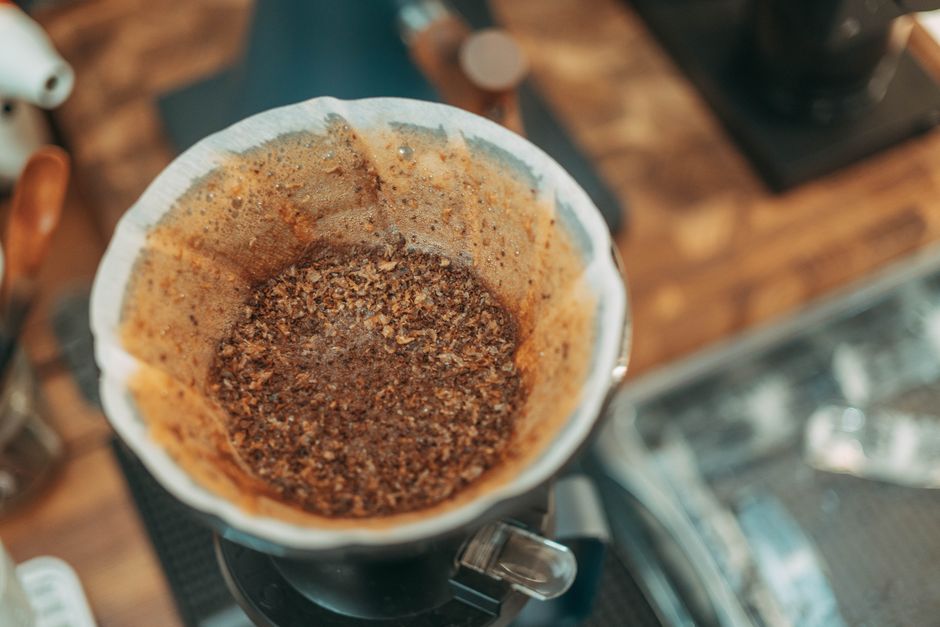
The walk itself runs cleanly if the order is right, and Sinsa to Cheongdam — west to east — is the order I would propose. From Sinsa Station exit 8, Horim opens at eleven; Songeun, fifteen minutes east, opens by mid-morning and is generously hours-flexible during a major exhibition. A coffee at one of the smaller cafés north of Garosu-gil — the kind that serves a single-origin pour-over without flourish — composes the first interval. From there, Apgujeong Rodeo and Atelier Hermès, then a slower walk down toward Cheongdam, where Whitestone, PKM and Gallery Hyundai cluster within a six-minute square. A late lunch or an early dinner at one of the discreet hanjeongsik rooms off the main arterial closes the circuit at a civilised hour. Total walking, with stops, runs about three and a half hours; total transit, including the metro back to Sinsa or onward to a hotel in Bukchon, adds twenty minutes.
What the circuit is not, and that point matters
The Gangnam quiet museum circuit is not the National Museum of Korea — that is a Yongsan day, longer in scope and wider in register, and best treated separately. Nor is it a comprehensive Seoul gallery survey; serious additions wait in Bukchon, Hannam, Itaewon and the small ring of foundations near Tongui-dong, none of them within a reasonable Gangnam walk. What the circuit offers, instead, is a single afternoon's discipline — six rooms, two coffees, one quiet lunch — that reads more like a curated playlist than a checklist. It rewards the reader who arrives without a list, leaves without one, and keeps a single image in mind on the metro home. The fountain at Banpo, later in the evening, finishes the day on a different register entirely — and one I have written about at length elsewhere.
“The lesson these rooms teach is that a serious gallery, in Gangnam, often performs the role a public museum plays in less mature art markets.”
From the Cheongdam notes.
Frequently asked questions
How long should one budget for the full Gangnam museum circuit?
A generous afternoon — three and a half to four and a half hours, including walking, two coffees and a slow lunch. A faster pace is technically possible, but the circuit is engineered for slowness; cutting it short tends to flatten the rhythm rather than save time. For visitors with one Seoul afternoon, four hours is the minimum I would recommend.
Are the museums in the circuit free to enter?
Most of them, yes. Songeun, Atelier Hermès, Whitestone Gallery, PKM and Gallery Hyundai's satellite operate without admission charge. Horim Art Center is the principal exception and asks a modest entry fee that supports its rotating collection — well below the equivalent at major Hong Kong or Tokyo institutions, and worth it for the ceramic gallery alone.
Which days are the worst to attempt the circuit?
Mondays close most private museums in Seoul, including Horim and several of the gallery foundations. Major Korean public holidays produce a similar effect, and the period around the Korean lunar new year reduces hours across the board. Tuesday through Saturday afternoons read most reliably. Sunday is workable but the cafés near Cheongdam fill up by two.
Is English-language signage adequate at these venues?
Generally, yes, and in some cases — Songeun in particular — the English wall texts are unusually well-edited. Horim runs bilingual labels at a tighter editorial register than most municipal museums. The smaller commercial galleries vary; one or two run Korean-only signage on certain shows, though staff at the front desk speak conversational English without exception.
Can the circuit be combined with the Banpo Rainbow Fountain in one day?
Comfortably. The circuit reads naturally as an afternoon programme, and Banpo's fountain begins its evening sets shortly after dusk — a fifteen-minute taxi from Cheongdam delivers a visitor to the riverside in time for the eight o'clock set. A late lunch in Cheongdam, a short rest, an unhurried taxi to Banpo Hangang Park composes the day cleanly.
What should one wear and carry on the walk?
Comfortable walking shoes — three and a half kilometres on Gangnam pavement reads longer than the same distance in Causeway Bay — and a thin layer for over-cooled gallery interiors. A small bag for a museum monograph or a coffee, a power bank and a phone for navigation are sufficient. Most galleries restrict large bags at the cloakroom; one travels lightly through the circuit by design.
Is photography permitted inside the galleries?
Restricted at Horim, generally permitted without flash at Songeun and most commercial galleries on the circuit, and signage at the entrance makes the rule clear in each case. The custom is to ask once at the front desk if uncertain. The wall labels rather than the works themselves are usually the most worthwhile photographic record, in any event.
Where should one eat between the rooms?
Garosu-gil's quieter side streets, north of the main avenue, run a thoughtful list of small Korean and Japanese rooms suitable for a one-hour break. Cheongdam holds the more formal options — discreet hanjeongsik dining rooms suited to a slow late lunch — and a few small bakeries that serve as a half-hour pause without ceremony. Reservations help on Saturdays.