The Short Edit
The Best Times of Year to Plan a Treatment Trip to Gangnam
A seasonal calendar for the cosmopolitan traveller — ten windows, with flights, hotels, weather and the quieter trade-offs that read undramatic on the page.
A treatment trip to Gangnam, planned well, reads on the calendar the way a long booking at the Mandarin Oriental reads on the diary — not a single date, but a window. The window matters more than most readers expect. 揀啱個時間先講, my mother said when I first told her I was researching this piece — pick the right time, then talk about everything else. She was, in her undramatic way, exactly right. The ten windows below are the ones I have come to recommend to friends asking when, in the calendar year, a Gangnam treatment trip holds together — flights, hotels, weather, recovery weather, and the quieter trade-offs that read undramatic on the page. The list is editorial rather than ranked; the windows worth one's afternoon will hold for different readers in different months.
How we built this seasonal calendar
The methodology behind a seasonal calendar for medical travel is, at its quietest, a layering exercise — one stacks the variables that move on the calendar, watches where they conflict, and books into the windows where they align. The variables on this page are the ones that, in our editorial reading, most consistently distinguish a Gangnam treatment trip that ages well from one that does not. They are five in number, and they are stacked rather than ranked. The first variable is flight pricing — the IATA Asia-Pacific corridors between Hong Kong, Taipei, Singapore, Bangkok, Shanghai, Tokyo and Incheon, whose airfare curves move predictably across the year. The second is hotel availability and pricing in the Gangnam triangle between Sinsa, Apgujeong and Cheongdam, which compresses sharply during Korean public holidays and the autumn foliage weeks. The third is weather — temperature, humidity, particulate pollution and the practical question of whether one can comfortably conduct post-procedure walks. The fourth is recovery weather, which is the same variable read against the specific protocol's downtime window; a humid August recovery and a crisp October recovery are not the same recovery, and the careful reader books accordingly. The fifth is clinic calendar density, which moves across the year in a pattern most travellers do not notice until they have tried to book during it. The ten windows below are presented in calendar order rather than in any ranking. Each is suitable for a different reader profile, and the windows that suit a Hong Kong reader on a four-night stay are not the same as the windows that suit a Singaporean reader on a ten-day stay. The list is curated rather than prescriptive. One reads, one chooses, one books — and the trip, edited this way, holds together.
— Late January through mid-February (post-Lunar New Year quiet)
The first window is the quiet stretch immediately after the Lunar New Year holiday — the week that begins once the Korean calendar's Seollal travel surge has reversed itself, and the avenue between Sinsa and Apgujeong returns to its working register. The flights from Hong Kong, Taipei and Shanghai run materially below their late-December peaks; the hotels in the Gangnam triangle, having released their holiday inventory, sit at their first soft pricing of the year. The weather is cold — typically minus three to plus four Celsius in the daytime, with the occasional clean snowfall and an air that reads, on first impression, as Causeway Bay in early March amplified by a factor — and the particulate pollution that settles over the Korean peninsula in the spring has not yet arrived. Patients report, in the medical-tourism literature, that the late-January window often produces the calmest consultation register of the year; the clinics have closed their books on the previous calendar year, and the new year's caseload has not yet begun to compress the schedule. The trade-off is the cold itself, which the cosmopolitan reader from a subtropical city must take seriously rather than aesthetically. A January recovery walk along the Han River promenade is a different exercise from an October one; the careful traveller packs the heavier coat, the layered base, and the willingness to stay indoors when the wind chills the avenue. The hotel selection matters more than usual — a suite at a property with a walkable indoor breakfast room and a working pool is a quietly useful infrastructure for the slower January recovery curve. 一月底其實幾好, a Tatler Asia colleague mentioned over yum cha; late January, in fact, is rather pleasant. She had, as ever, found the window before most readers.
- Flights HKG-ICN, TPE-ICN, PVG-ICN — soft pricing post-Seollal
- Hotels Gangnam triangle — first soft pricing of the year
- Weather — cold, dry, low particulate pollution
- Clinic calendar — calm post-holiday register
- Best for — readers prepared for a four to seven day cold-weather recovery
— Mid-March through early April (pre-cherry-blossom margin)
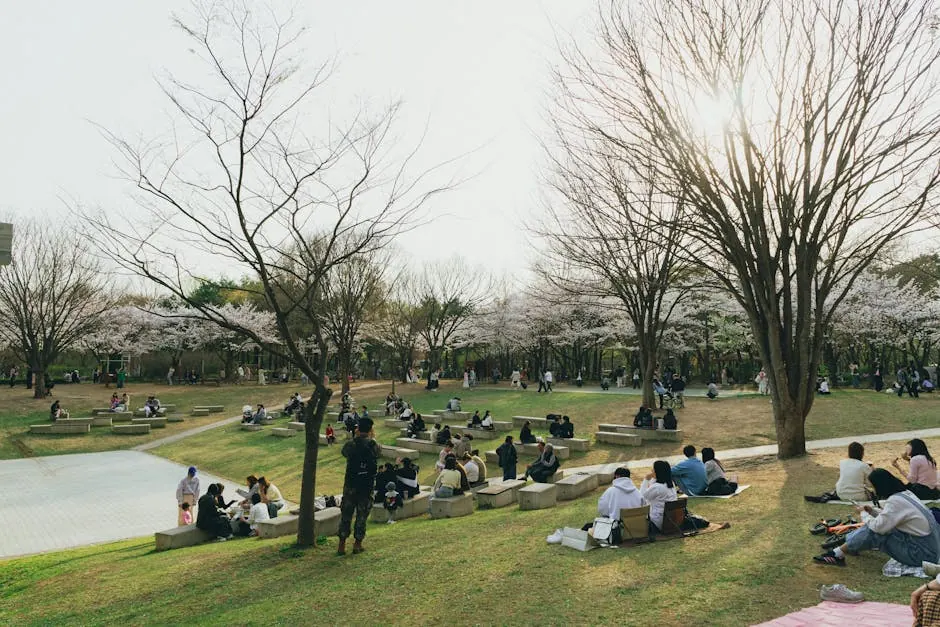
The second window is the narrow margin in the calendar before the cherry blossoms compress every variable on the page — typically the first three weeks of March extending into the very first days of April, depending on the bloom forecast that the Korea Meteorological Administration releases in late February. The flights are still affordable; the hotels have not yet absorbed the inbound surge that the bloom triggers across the Asia-Pacific corridors; the weather has begun to soften, with daytime temperatures climbing through the high single digits into the low teens. The avenue between Sinsa and Apgujeong, in mid-March, holds an undramatic light that flatters both the consultation and the recovery walk. 櫻花未開個陣最舒服, a friend who has done this twice told me — the most comfortable window is the one before the blossom. The trade-off is the spring particulate pollution, which begins to drift into the Korean peninsula from the continent through March and which the cosmopolitan reader should monitor on the day-by-day index rather than on the seasonal narrative. A consultation morning during a high-particulate day is not an ideal recovery morning; the careful traveller checks the index, books a flexible recovery plan, and reserves the longer Han River walks for the cleaner days. The pre-bloom margin is also the window in which the clinic calendars begin to compress in advance of the spring inbound surge — the cosmopolitan reader who books the procedure date six to eight weeks in advance, rather than three, will find the suite of consulting times one is hoping for substantially more available.
— Cherry blossom peak (late March to early April — the compressed window)
The third window is the cherry blossom peak itself, and it is included on this page with editorial honesty rather than enthusiasm. The blossom across Yeouido, the Seokchon Lake circuit, and the Apgujeong-Cheongdam avenues lasts roughly ten days at its photographable peak; the inbound travel surge from the Asia-Pacific corridors compresses every variable on the page sharply. Flights from Hong Kong, Taipei, Singapore and Tokyo run at their first hard premium of the year; hotels in the Gangnam triangle reach their first hard inventory ceiling, with the better-kept properties booking out six to ten weeks in advance; the avenue's foot traffic, the restaurant reservations, and the consultation calendar at the better clinics all compress in concert. The weather, where the bloom holds, is undramatically beautiful — daytime in the mid-teens, soft light, low humidity — and a recovery walk during the bloom is, where it goes well, a quietly memorable thing. The trade-off, however, is structural. A patient procedure window during the bloom is a procedure window competing with the leisure-tourism surge for the same hotel rooms, the same restaurant seats, and the same coordinator hours. The careful reader who has chosen this window books the room and the procedure date together, eight to ten weeks in advance; the careful reader who has not, finds the window has closed itself. 櫻花季要早啲訂, my friend texted from Lan Kwai Fong when she heard I was writing this — book the cherry blossom season early, in other words. She had learned the lesson the year before, when she had not.
- Flights — first hard premium of the year
- Hotels — six to ten weeks lead time minimum
- Weather — soft, low humidity, idealised recovery walking
- Clinic calendar — compressed; coordinator hours under load
- Best for — readers who book ten weeks in advance and accept the premium
— Late April through mid-May (the post-bloom relaxation)
The fourth window is, in our editorial reading, the year's most consistently underrated stretch — the four to five weeks after the cherry bloom has dispersed and before the Korean Children's Day and the Buddha's Birthday holidays compress the calendar again in early May. The flights have softened from the bloom premium; the hotels have released their post-bloom inventory; the weather has settled into its most comfortable register, with daytime temperatures in the mid-to-high teens, low humidity, and an avenue light that holds steady from morning through late afternoon. The clinic calendar, having absorbed and discharged the bloom-window caseload, returns to its working register; the consultation pacing, in our reading, runs at its calmest of the spring half. Late spring in Gangnam covers the broader cultural register; this window is the procedural reading of that same season. The trade-off is mild and worth naming. The Korean Children's Day on 5 May and the variable date of the Buddha's Birthday in early-to-mid May produce a domestic travel surge that briefly compresses the hotel inventory; the careful reader checks the calendar, books around the two-day cluster, and finds the surrounding three weeks materially clearer. The recovery weather, in this window, is the cleanest of the entire year — dry, mild, walkable — and the cosmopolitan reader from a humid subtropical city often reports, in our editorial correspondence, that the late-April Gangnam morning reads with a quiet clarity that the home city does not provide. The window is, on balance, the one we recommend most often to first-time treatment travellers.
— Late May through mid-June (the warm shoulder)
The fifth window is the warm shoulder before the summer rainy season opens — typically the four weeks running from the third week of May through the third week of June, after which the jangma arrives and reorganises the recovery calendar entirely. The flights remain in their post-bloom soft register; the hotels have not yet absorbed the early-summer leisure inflow; the weather is warm, with daytime temperatures climbing through the low to mid twenties, humidity rising but still manageable for a Hong Kong or Singaporean reader trained on subtropical air. The avenue between Sinsa and Apgujeong, in early June, sits at a quiet density that suits the consultation pace — the foot traffic has not yet thickened in the way it will from late June onward. The trade-off is the rising humidity and the rapid approach of the rainy season, the practicality of which the cosmopolitan reader should plan around rather than against. A procedure scheduled in early June, with a recovery window that runs into late June, is a procedure whose recovery walks may be displaced by the jangma opening; the careful traveller leaves a flexible margin in the indoor itinerary, books a hotel suite with a working interior breakfast room and lounge, and treats the post-procedure walks as opportunistic rather than obligatory. The clinic calendar in this window is calm; the consultation register is unhurried; and the warm shoulder, taken on its own terms, is a quietly favourable window for readers who prefer the warmer recovery weather to the cooler April one.
— Late June through late August (the rainy season and high summer)
The sixth window is the long Korean summer — the eight to ten weeks running from the opening of the jangma rainy season in late June through to its closing in mid-August, and the hot, humid stretch that follows it through the end of August. The window is, on the page, the one most readers from the subtropical Asia-Pacific cities reflexively avoid; the editorial reading is more layered than that. The flights from Hong Kong, Taipei and Singapore reach their second seasonal soft pricing of the year (after Lunar New Year), and the hotels in the Gangnam triangle, despite a brief domestic travel surge in early August, sit at materially softer rates than the spring or autumn comparable weeks. The clinic calendar, in our reading, is at its most available — coordinators have time, consultation pacing is unhurried, and the schedule slots one wants are the slots one finds. The trade-off is the recovery weather itself, which deserves an honest read. A recovery walk in mid-July Gangnam, at thirty-two Celsius and eighty-five percent humidity, is not the same exercise as a recovery walk in late April at eighteen and dry; the careful reader plans the recovery indoors, in air-conditioned hotel suites and the COEX underground complex, and treats outdoor activity as a brief incidental rather than a structural element of the calendar. The summer rainy season covers the cultural register; this window is the procedural reading. The Hong Kong reader, accustomed to the August humidity at home, often manages the weather more capably than expected; the Singaporean reader manages it more capably still. The window suits the cost-sensitive reader who prefers an indoor-recovery itinerary, and it does so honestly.
- Flights — second seasonal soft pricing of the year
- Hotels — materially softer than spring or autumn comparables
- Weather — hot, humid, with the rainy season opening late June
- Clinic calendar — most available of the year
- Best for — cost-sensitive readers who plan recovery indoors
— Mid-September through mid-October (the autumn shoulder)
The seventh window is, in our editorial reading, the second contender for the year's most favourable stretch — the four to five weeks after the Chuseok holiday has cleared and before the autumn foliage peak compresses the calendar again. The flights from Hong Kong, Taipei and Tokyo have come down from their late-August peaks; the hotels have released their post-Chuseok inventory; the weather has settled into its second clean register of the year, with daytime temperatures climbing back into the high teens to low twenties, humidity dropping sharply, and the avenue light returning to the soft afternoon register that flatters both the consultation and the recovery walk. The trade-off is narrow and technical. The Korean Chuseok holiday — the three-day Korean autumn festival, which moves on the lunar calendar but typically falls between the second and fourth weeks of September — produces a hard domestic travel surge that compresses the hotel and flight inventory in the days immediately surrounding it; the careful reader checks the lunar date, books either the seven days before or the seven days after, and finds the surrounding window materially clearer. The clinic calendar in this window is calm; the consultation pacing is unhurried; and the post-Chuseok stretch reads, in our editorial view, as the year's most consistent window for readers whose protocol favours a dry, mild recovery. 中秋之後最舒服, my mother said earlier this autumn — after Chuseok is the most comfortable. She had, as ever, the calendar correctly read.
— Late October through mid-November (the foliage peak — the second compressed window)
The eighth window is the autumn foliage peak — typically the last ten days of October running into the first ten of November, depending on the year's foliage forecast — and it is the second of the year's compressed windows for which honest editorial reading is required. The maple and gingko foliage along the Han River, the Yangjae Citizens' Forest, the Bongeunsa temple complex, and the Apgujeong-Cheongdam avenues holds, at its peak, a colour register the cosmopolitan reader does not easily forget; the inbound travel surge from the Asia-Pacific corridors, in our editorial correspondence, runs at a level comparable to the cherry bloom, with hotels in the Gangnam triangle reaching their second hard inventory ceiling of the year. The weather, where the foliage holds, is undramatically beautiful — daytime in the mid-teens, low humidity, dry — and a recovery walk during the foliage is, where it goes well, a quietly memorable thing in the same register as the spring bloom. The trade-off, again, is structural rather than aesthetic. The autumn foliage walks across Gangnam covers the cultural register; the procedural reading is that the procedure window during the foliage is a window competing with the leisure surge for the same rooms, the same restaurant seats, and the same coordinator hours. The careful reader who has chosen this window books eight to ten weeks in advance; the careful reader who has not, finds, again, that the window has closed itself. The autumn premium on flights and hotels is comparable to the spring bloom; the consultation calendar runs more compressed than its September comparable; and the recovery walks, where the foliage holds and the calendar permits, are unimprovable.
— Late November through mid-December (the second relaxation)
The ninth window is the four to five weeks after the autumn foliage has dispersed and before the Christmas and New Year travel inflow begins — typically the last week of November running through the first two weeks of December. The window is, in our editorial reading, structurally the autumn analogue of the late-April window; the flights have softened from the foliage premium, the hotels have released their post-foliage inventory, and the avenue between Sinsa and Apgujeong, with the leaves on the ground rather than on the trees, holds a different but equally undramatic light. The weather has cooled — daytime temperatures in the high single digits to low teens, dry, with the first occasional snowfall arriving toward the second week of December — and the recovery walks, where the cosmopolitan reader is dressed for them, hold the same crisp clarity as the late-October ones without the leisure-surge competition. The trade-off is the cooling weather, which the careful reader plans for rather than against. A late-November recovery walk along the Han River is a different exercise from a late-October one; the heavier coat, the layered base, and the willingness to stay indoors on the colder days all matter. The clinic calendar in this window is calm; the consultation pacing returns to its working register after the autumn surge; and the post-foliage stretch is, in our editorial view, the year's quiet second window for readers who missed the late-April one and are seeking its autumn equivalent. 秋葉之後再嚟啦, a friend from Causeway Bay messaged when she heard the date I was booked for — come back after the autumn leaves. She had found the window the year before.
— Mid-December through mid-January (the holiday flank)
The tenth window is the holiday flank — the five to six weeks running from the third week of December through the second week of January, which is the year's third compressed window and which is included here, again, with editorial honesty rather than enthusiasm. The flights run at their hard third premium of the year, with the corridors from Hong Kong, Taipei, Singapore and Tokyo carrying both the leisure inflow and the diaspora return travel; the hotels in the Gangnam triangle reach their third hard inventory ceiling; the weather is at its coldest, with daytime temperatures often hovering around freezing and the wind chill on the open avenue making outdoor recovery walks materially harder than at any other point in the calendar. The clinic calendar, in our reading, runs at its second-most compressed level of the year (after the cherry bloom), with the better practices closing for two to four days around the New Year holiday and consultation hours running at a thinner schedule through the first week of January. The trade-off is, on balance, structural and worth being honest about — the holiday flank is the window we recommend least often, and the editorial reading is that the cosmopolitan reader is generally better served by the late-January window discussed at the top of this page than by the holiday weeks themselves. The exception is the reader whose calendar is already in Korea — the Hong Kong or Singaporean reader visiting family, or the reader whose business travel coincides — for whom the convenience of being in city outweighs the procedural compression. The window exists, in other words, and the better Gangnam clinics will accommodate it for readers whose calendars require it; the editorial recommendation, where the choice is open, is to wait the four weeks. 過咗新年先做啦, as my mother put it last December — wait until after the New Year. The advice ages well.
Comparison table — the ten windows at a glance
The ten windows are not interchangeable; each suits a different reader profile, and the table below sets the structural variables out at a glance for the reader who wants the calendar map alongside the long-form notes above.
| Window | Flights | Hotels | Weather | Recovery walk | Clinic calendar |
|---|---|---|---|---|---|
| Late Jan to mid-Feb | Soft | Soft | Cold, dry | Cold, indoors-first | Calm |
| Mid-Mar to early Apr | Moderate | Moderate | Mild, mid-pollution | Mild, weather-checked | Compressing |
| Cherry bloom peak | Hard premium | Hard ceiling | Soft, idealised | Idealised | Compressed |
| Late Apr to mid-May | Soft | Soft | Mild, dry, low humidity | Excellent | Working register |
| Late May to mid-Jun | Soft | Soft | Warm, rising humidity | Warm, walkable | Calm |
| Late Jun to late Aug | Soft | Soft | Hot, humid, rainy | Indoors-first | Most available |
| Mid-Sep to mid-Oct | Soft to moderate | Soft to moderate | Mild, dry | Excellent | Calm |
| Foliage peak | Hard premium | Hard ceiling | Soft, idealised | Idealised | Compressed |
| Late Nov to mid-Dec | Soft | Soft | Cold, dry, first snow | Crisp, layered | Working register |
| Holiday flank | Hard premium | Hard ceiling | Coldest, wind chill | Hardest | Most compressed |
Editorial note
The list above is a calendar reading, not a verdict. The windows worth one's afternoon will hold for different readers in different months, and the cosmopolitan traveller who arrives in Gangnam with the calendar window chosen carefully — the flights, the hotel, the weather, and the recovery weather all read against the protocol's downtime — is, in our editorial view, the traveller who arrives prepared. The windows we recommend most often, in our editorial correspondence, are (late April to mid-May) and (mid-September to mid-October), with and as quieter alternatives for cost-sensitive readers comfortable with cooler-weather recovery. The windows we recommend least often are , and , in that descending order — not because the trips do not hold there, but because the calendar compression makes the editorial register harder to find. 揀啱個時間先講, as my mother said earlier this year — pick the right time, then talk about everything else. The advice still ages well.
“揀啱個時間先講 — pick the right time, then talk about everything else.”
A Hong Kong reader's mother, on a Causeway Bay phone call earlier this year
Frequently asked questions
Which window do you most often recommend for a first-time treatment trip?
Late April through mid-May () is the window we recommend most often to first-time treatment travellers, with mid-September through mid-October () the close autumn equivalent. Both hold soft to moderate flight pricing, released hotel inventory, mild and dry recovery weather, and a clinic calendar that runs at its working register rather than under compression. The reader who can choose either is well served by either; the reader whose calendar permits only one is, in our editorial reading, slightly better served by late April for a first trip and by mid-September for a second. Both are materially more comfortable than the cherry bloom or autumn foliage windows for a recovery-focused itinerary.
Should I avoid the cherry blossom and autumn foliage windows entirely for a treatment trip?
Not entirely — the windows hold, and the recovery walks during them are, where they go well, unimprovable. The honest reading is structural rather than absolute. The reader who chooses or should book eight to ten weeks in advance, accept the flight and hotel premium, and plan the consultation calendar around a clinic schedule that will be running under compression. The reader who books three weeks out, or who hopes the inventory will release closer to the date, will find that it does not. The bloom and foliage windows reward planning; they punish improvisation.
How much weight should I give to the air pollution variable in spring?
Meaningful but not decisive weight. The Korean spring particulate pollution drifts onto the peninsula across March and April, and the day-to-day index varies sharply rather than running as a flat seasonal background. The careful reader monitors the public AQI index across the booked window, plans the recovery walks around the cleaner days, and reserves the indoor itinerary — hotel suite, COEX underground, museum loops — for the higher-index days. A high-pollution week does not invalidate the trip; it shifts the recovery cadence inward. The summer and autumn windows run at materially lower particulate levels, which the cosmopolitan reader from a coastal subtropical city sometimes finds noticeable in a positive register.
Is the summer window genuinely viable, or is it only for the cost-sensitive reader?
Genuinely viable, with a clear reader profile. The summer window () suits readers who plan an indoor-first recovery itinerary, who are accustomed to subtropical heat and humidity at home, and who place real weight on the clinic calendar's availability and the flight and hotel softness. A Hong Kong, Singapore or Bangkok reader often manages a Gangnam August more capably than expected. The window does not suit readers whose recovery plan depends materially on outdoor walking, or readers travelling with companions who do not adapt readily to high humidity. The honest editorial framing is that is a cost-and-availability window with a clear weather trade-off — and the trade-off, for the right reader, is a fair one.
How far in advance should I book each window?
Six to eight weeks for the soft windows (, , , , , ) and eight to ten weeks for the compressed windows (, and the upper end of ). The booking sequence we recommend is the procedure date first, the flight second, the hotel third — locking the procedure date with the clinic before the travel inventory is committed, since the procedure date is the variable that anchors the rest of the itinerary. A clinic that requests the booking sequence in this order is reading the calendar correctly; a clinic that asks the patient to commit the flight before confirming the procedure date is reading it less correctly.
What about the regulatory framework for foreign patients across these windows — does it change seasonally?
It does not. The Korean foreign patient registration framework administered by the Korea Health Industry Development Institute (KHIDI) applies year-round, the dispute resolution and language support channels operate through the calendar, and the Ministry of Health and Welfare's published patient-facing material is consistent across the seasonal windows. The seasonal variable on this page is the calendar of travel logistics and recovery weather, not the regulatory framework. The careful reader verifies the registration once, in advance of any booked window, and proceeds from there.
Can I split a treatment trip across two windows — for example, consult in one and procedure in another?
Yes, and for some protocols and some readers the split is the editorial answer rather than a workaround. A consultation visit during a soft window — late April or late September — followed by the procedure visit eight to twelve weeks later in another soft window allows the patient to return home with the consent document, read it without the consultation-day pressure, and arrive for the procedure with the questions resolved. The clinics that accommodate this pacing are signalling something the same-day-procedure model cannot. The split is not always practical for the reader's calendar; where it is, it is, in our editorial view, often the more careful approach.