The Short Edit
Recovery-Friendly Restaurants in Gangnam: An Editor's Selection
Ten Gangnam kitchens curated for soft-food convalescence — porridge, slow broths, and the quiet rooms that suit a recovery week.
Gangnam unfolds the way Causeway Bay does on a humid August afternoon — dense, polished, and quietly accommodating if one knows where to look. After a clinical morning at one of the regenerative-medicine suites along Apgujeong-ro, the question is not where to eat well but where to eat gently. The avenue between Sinsa and Cheongdam keeps a discreet ledger of porridge houses, slow-broth specialists, and tofu kitchens — establishments that understand soft-food recovery without ever announcing it. The published guidebooks miss most of them; the hotel concierge will mention three or four; the rest one finds by patient looking, and by asking the right people. 呢度真係搵到啲岩嘅嘢食, a Hong Kong friend texted, halfway through her own week of regimen. She wasn't wrong, exactly. The selection that follows is editorial — ten places I would send a colleague to during the first ten days after a procedure, when chewing, spice, and fermentation must all be approached with diplomacy. The list reads, in aggregate, as a small atlas of the convalescent kitchen in Gangnam — porridge to broth, broth to dumpling, dumpling to tea — and I have arranged it as such.
How this selection was made
Methodology, in matters of convalescence dining, is less about novelty and more about restraint. Every restaurant on this list was visited in person across a six-week editorial window — twice, in most cases, and at different times of day. The brief was specific: dishes that suit the first ten to fourteen days after a regenerative or aesthetic procedure, when broths, soft grains, steamed proteins, and unspiced vegetables form the bulk of what a patient can comfortably tolerate. We looked for kitchens that prepare congee or juk on the premises rather than warming it from a bain-marie; that offer mild, low-sodium variants on request; and that maintain the kind of discreet, low-noise dining rooms most travellers prefer when they are still healing. We crossed off anywhere that relied heavily on fermented chilli pastes by default — gochujang, ssamjang, and aged kimchi remain superb, but they belong to the second half of recovery rather than the first. We also weighted hospitality. Staff who understand a quiet request for less salt, or who will adjust a side dish without theatre, matter more in this context than a Michelin star. Pricing tiers are notional — $ under ₩20,000 per person, $$ ₩20,000-50,000, $$$ above ₩50,000 — and refer to a typical mild-recovery meal rather than the menu's ceiling. Distance from the major Apgujeong and Cheongdam clinic clusters was a soft criterion — we included two excellent establishments slightly outside walking radius because the rooms themselves justify the taxi. The list holds at ten precisely because ten is the size of a useful editorial brief; longer lists rarely survive their author's scrutiny. None of the restaurants below paid for inclusion; none knew this piece was being written. The editorial choice is mine alone.
Bonjuk Sinsa Branch — the porridge anchor
Bonjuk is Korea's most established porridge chain, and the Sinsa branch — half a block south of Sinsa Station, exit 6 — is the one I send first-week patients to without hesitation. The room is bright, lacquer-trim, and reliably calm at off-peak hours; the morning rush thins by ten, and the late afternoon between three and five is the most agreeable window. The menu reads as a primer in juk: jeonbok-juk (abalone porridge), yachae-juk (mixed vegetable), dak-juk (chicken), beoseot-juk (mushroom), and a plain ssal-juk that arrives almost translucent — useful when one's appetite has not yet returned. The kitchen prepares each bowl to order; it takes twelve minutes and is worth the wait. What recommends this place is not invention but consistency — a dependable kitchen with a national reputation and the operational discipline to hold its standards across two decades. The side dishes are restrained: a saucer of mild radish kimchi (set aside if you must), a small dish of seasoned seaweed, a clean broth that doubles as a between-spoonfuls palate cleanser. Staff will reduce salt on request, will warm the bowl an extra minute if it has cooled in transit, and will, on a quiet word, prepare the porridge looser or thicker to one's preference. The Sinsa room speaks enough English and Mandarin to make this conversation effortless, and the menu carries photographs that bridge any remaining gap. The proprietary plain ssal-juk — which one rarely sees on a menu, even at competing chains — is the bowl I would order on day one or two, when richness in any form remains unwelcome. By day four or five, the abalone preparation, with its faint maritime sweetness and visible flecks of seaweed, becomes the more interesting choice. *Strengths: dedicated porridge specialist; mild by default; quick service; English/Mandarin support; multiple viable variants for early and mid-recovery. Specialty: jeonbok-juk and beoseot-juk; plain ssal-juk for the first 48 hours. Pricing: $ to $$. Location*: Sinsa-dong, near Sinsa Station — a fifteen-minute taxi from most Apgujeong clinics, fewer if traffic is forgiving. The lobby of one's hotel is rarely closer than this room; it is, in many ways, the default.
Jukhyang — the porridge connoisseur's quiet alternative
Jukhyang sits a few minutes' walk from Apgujeong Rodeo Station and reads, on first impression, as the more considered cousin of the chain houses. The room is small — twenty seats, perhaps — and the porridge is thicker, more emulsified, and discernibly more attended-to. The pumpkin variant (hobak-juk) here is the bowl I remember; the abalone is generous without theatre; and the black-sesame version, which one rarely sees done well, has the consistency of poured silk and a faintly bitter, deeply nourishing finish. The kitchen will, on a quiet word with the proprietor, prepare a low-sodium variant or substitute the standard side panchan with simpler steamed vegetables — chayote, cabbage, or a cleanly blanched spinach with no seasoning beyond a turn of sesame oil. The room — and this matters — keeps the lights low and the music absent, which suits a convalescent appetite better than the bright, bustling chain branches. The walls are limewash, the tables solid timber, the chairs upholstered in a discreet grey-green; the aesthetic borrows from the slower restaurants of Hahoe Village rather than Apgujeong-ro. There is no English menu, but the staff are patient and will photograph dishes when needed; a translation app handles the rest, and the proprietor, who has run the kitchen for over fifteen years, recognises the convalescent brief without it needing to be spelled out. The hobak-juk in particular — slow-cooked Korean pumpkin, finished with a measure of glutinous-rice flour and a single pinch of salt — is the closest thing in Gangnam to a Hong Kong-style sweet pumpkin congee, and the bowl I most often suggest to Cantonese friends easing into recovery. *Strengths: artisan-grade preparation; quiet small room; willing to adjust; thicker, more emulsified textures than the chain alternative. Specialty: hobak-juk; heuk-imja-juk (black sesame); abalone porridge for mid-week. Pricing: $$. Location*: Apgujeong Rodeo, about a ten-minute walk south of the cosmetic-surgery district along Dosan-daero. One arrives, takes a corner table, and is left, mercifully, alone.
Wonjo Halmeoni Bossam-jip — the unexpected soft-food kitchen
Bossam — slow-boiled pork served sliced — is not, on first glance, recovery food. But the meat itself is gentle: cooked for hours in aromatics (ginger, leek, soybean paste, the occasional bay leaf), served warm, and easy to chew once the wrap leaves and condiments are set aside. This grandmother-run establishment near Garosu-gil specialises in the dish, and the kitchen will, without fuss, prepare a plain steamed-pork plate with a clean rice bowl and a clear vegetable soup if one explains the situation. I have sent post-procedure patients here on day eight or nine — when one is bored of porridge but not yet ready for chilli — and they return reporting that the meat slipped down without effort. The soup that comes alongside, a pork-bone broth simmered overnight and clarified twice, is the more interesting choice if one prefers the liquid route — milky, restorative, and notably less heavy than the corresponding broths served at the gomtang specialists further east. The room is small and unpretentious — Formica tables, a low ceiling, the air carrying the deep, savoury note of long-cooked stock that has worked the room for decades. Staff are unhurried and matronly; the absence of pretension is, in itself, a kind of hospitality. The proprietor, a woman in her seventies, runs the establishment with her daughter-in-law, and they will recognise a recovering eater before the request is finished. The standard service includes a plate of mild radish (mu-saengchae) which one should ask to be lightly dressed; everything else can be ordered in undecorated form. The dish here that surprises is the doenjang-jjigae prepared without the fermented paste — essentially a clear soybean-anchor broth with tofu cubes, courgette, and a few cloves of garlic — which the kitchen will make on request, and which sits gently on most early-recovery palates. *Strengths: slow-cooked, easily chewed protein; willing kitchen; deep restorative broth; matronly service. Specialty: bossam (request unwrapped); dwaeji-gomtang; clear-broth doenjang on request. Pricing: $$. Location: Sinsa-dong, two streets east of Garosu-gil; closed Sundays. Yum-cha auntie energy*, my Hong Kong friend offered, and that captured it precisely.
Hadongkwan Apgujeong — the 90-year gomtang house
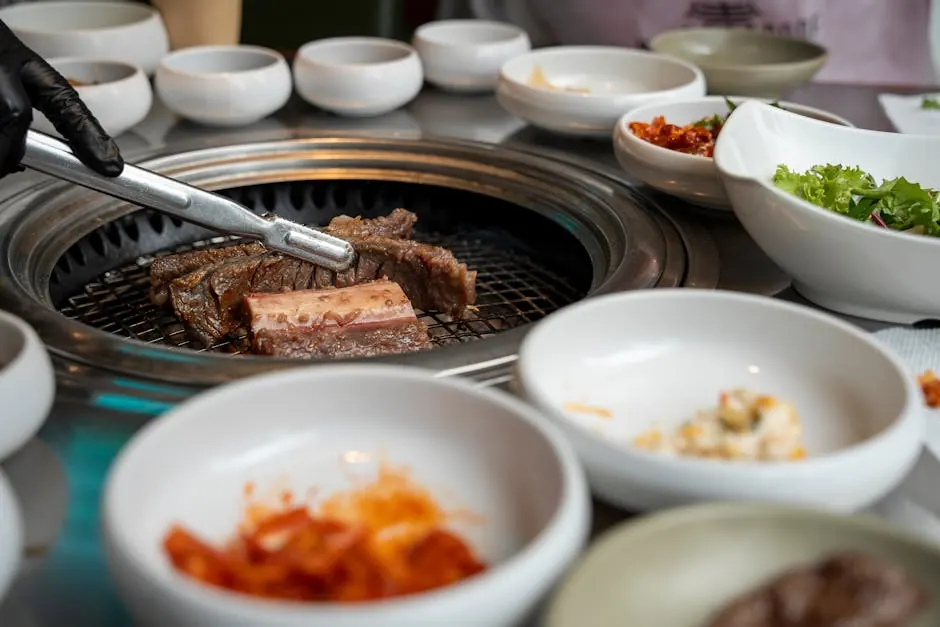
Hadongkwan opened in 1939 in Myeongdong and has, in the intervening eighty-six years, served essentially one dish: gomtang, the milky beef-bone broth that is Korea's quietest comfort food. The Apgujeong branch maintains the original kitchen's discipline — bones simmered for fourteen hours, stock decanted, beef sliced thin, the bowl finished with chopped spring onion and a measured pinch of salt. The kitchen does not advertise; the dish does not pretend to invention; the room operates with the unhurried confidence of an establishment that knows exactly what it is. Recovery-wise, gomtang is among the gentlest dishes one can order: warm, mildly seasoned by default, easily sipped, and dense in the kind of slow-cooked collagen that — anecdotally and on patients' own report — sits comfortably during early convalescence. The slices of brisket, when they arrive, are thin enough to require almost no chewing; the broth itself one can drink with a spoon or directly from the bowl, in the older Korean style. The Apgujeong room is small and serious — wooden booths, white tablecloths, an undramatic clientele of regulars who have been eating here for years and who treat the dish with the reverence it earns. The menu offers two variants: standard (with brisket) and special (with assorted cuts); the standard is the right call during the first recovery week. Salt and chilli arrive separately, untouched until the diner adds them — and one should add only the salt, in small measures, to keep the bowl clean and easy. The accompanying rice is loose-grained and warm; the panchan are minimal and includable or excludable as one prefers. The kitchen will, on request, serve the bowl with the rice on the side rather than already mixed in — a small adjustment that helps a recovering palate manage the texture. Reservations are unnecessary; the queue at lunch moves quickly. *Strengths: institutional-grade broth; unsalted by default; easy to digest; eighty-six years of consistency. Specialty: gomtang; suyuk (request small portion). Pricing: $$. Location*: Apgujeong-ro, a five-minute walk from the major clinic cluster. The room reads as Lan Kwai Fong's older cousin — quieter, prouder, less concerned with seeming current.
Jaha Sondubu Apgujeong — soft tofu, made to order
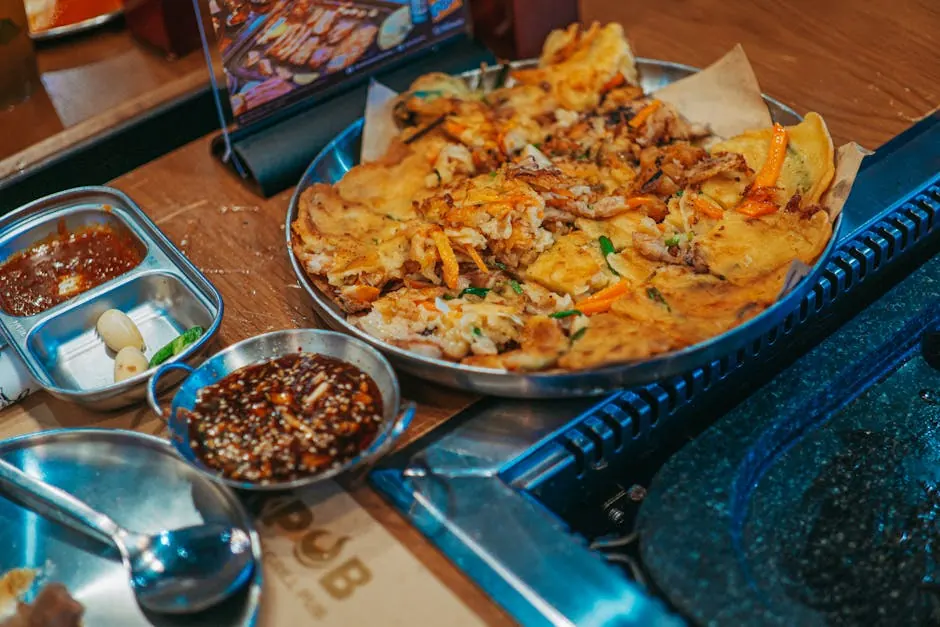
Sondubu — the Korean version of fresh, uncoagulated soft tofu — is among the gentlest proteins available to a recovering eater, and Jaha's Apgujeong branch produces it on the premises every morning. The standard order is a hot stoneware pot of tofu with clams, minced beef, or vegetables, simmered to the diner's request in a clear or mildly seasoned broth. For recovery weeks, request the white (baek) variant: no chilli oil, no gochugaru, just the clean stock, the curd-soft tofu, and a side of plain steamed rice. The texture is essentially custardial — slipping down with no effort and no irritation, and warm enough on arrival to be soothing without burning a still-tender oral cavity. The dining room is small and timber-finished, an aesthetic borrowed from country guesthouses outside Seoul; lunch is busier than dinner, and the right window for a quieter meal is between two and four in the afternoon, when the lunch crowd has dispersed and the dinner one has yet to assemble. Staff understand the request for a mild preparation and will adjust without comment, often anticipating the brief once one mentions a recent procedure. The side dishes lean fermented by default — kimchi, pickled radish — but a plain seaweed, a small dish of cleanly steamed bean sprouts, and a steamed-egg roll can be substituted on request, and the kitchen does so without making the substitution feel like an imposition. The egg roll itself, gyeran-jjim, is worth ordering as a supplementary protein: prepared in a hot stoneware vessel, soufflé-soft, faintly seasoned with anchovy stock, and entirely chewless. The price point is reasonable — most lunch sets land at ₩18,000-25,000 per person — and the room turns over quickly enough that walk-ins succeed at most hours. The proprietor's daughter, who oversees the floor, speaks confident English. *Strengths: proteins gentle by design; freshly-made tofu; mild variant on request; reasonable pricing. Specialty: baek-sondubu (white soft-tofu stew); gyeran-jjim (steamed egg). Pricing: $$. Location*: Apgujeong, a short taxi from the Cheongdam clinic district. One arrives, is offered tea, and the room does the rest.
Cheongdam Sushi Aori — sashimi as soft-food medicine
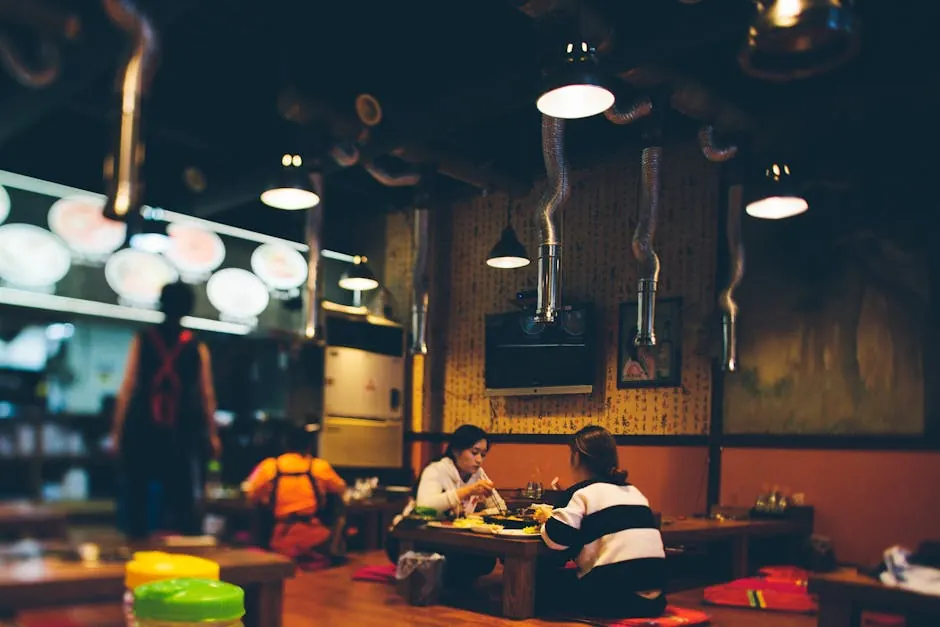
Sushi is, perhaps unexpectedly, an excellent recovery food once one is past day five — provided the kitchen is impeccable about freshness, the rice is loose rather than aggressively packed, and the diner skips the wasabi. Cheongdam Sushi Aori is the room I trust for this brief: an omakase counter of nine seats, fish flown in three times weekly from Tsukiji and Busan, and a chef who will, on a quiet word, adjust the rice density and pace the courses to a softer cadence. The sashimi-led menu is the right call during recovery — pure protein, no vinegar dressing, no ginger if requested — and the more delicate cuts (flounder, snapper, the white tuna belly) are essentially weightless on the palate. The chef offers the option of cutting each piece slightly thicker or slightly thinner depending on the eater's preference, and will, in the quieter way of all senior sushi practitioners, observe the diner's chewing and adjust subsequent pieces without comment. Soy sauce can be diluted with the warm tea provided, or substituted with a low-sodium variant the kitchen keeps for guests who request it. The room is dim, the counter polished cypress, the atmosphere — and this matters — closer to a Japanese ryokan than a Gangnam restaurant. The chef is a Korean national who trained for nine years in Tokyo before opening this counter, and the technical lineage shows: the rice grains are dressed with a vinegar mix that is markedly less aggressive than the typical Seoul sushi room, and the temperature of each piece — the rice warm, the fish cool — is calibrated to the half-degree. The omakase course is fifteen to seventeen pieces, runs about ninety minutes, and can be paced more slowly without difficulty. The chef's staff include one server fluent in English and one in Mandarin; the counter feels equally comfortable in either language. 呢間有 Tokyo feel, a friend remarked, and she was right. *Strengths: chef will adjust rice density and pace; pristine sourcing; quiet counter; technical lineage. Specialty: sashimi tasting; nigiri with soft rice. Pricing: $$$. Location*: Cheongdam, a few minutes' walk from the luxury houses along Apgujeong-ro. Reservations matter; walk-ins are unwise.
Gaesong Mandu Goong — the dumpling kitchen for the cautious appetite
Gaesong-style mandu — North Korean origin, traceable to the city of Kaesong now in DPRK territory, larger than the southern dumplings, filled with tofu, vegetables, and a small measure of pork — is the kind of dish one underestimates until convalescent. The Mandu Goong kitchen near Apgujeong Rodeo handcrafts each dumpling on the premises and offers them three ways: steamed (jjin), in clear broth (manduguk), or in a hot, light soup with rice cake (tteok-manduguk). For early recovery, the broth versions are the recommendation — the dumpling skin is thin and pliant, the filling is finely minced and easily chewed, and the broth itself is a clean anchovy-and-radish stock that has none of the heaviness of the beef-bone alternatives. The kitchen will, on request, omit the small chilli garnish and serve the soup in its undecorated state, and will, if asked, prepare the dumplings with the pork omitted entirely (a vegetable-only filling of tofu, mung bean sprouts, garlic chives, and a measure of chopped fermented kimchi that one can request to have substituted with non-fermented cabbage). The room is mid-size and well-lit; the clientele skews older — Korean uncles in good blazers, women in their sixties meeting for lunch — which I read as a discreet recommendation, since this demographic eats out for nourishment rather than spectacle. The mandu themselves are larger than one expects — three of them, in broth, constitute a complete meal — and the proprietor's family has been making them by the same recipe for three generations. The kitchen also offers a clear cabbage-and-tofu side soup (mu-guk variant) which is, in my experience, the gentlest broth-and-vegetable preparation in the immediate Apgujeong area, and which I order alongside the dumplings on day six or seven of any recovery week. *Strengths: hand-rolled, easily chewed dumplings; clean broths; mild by default; veg-only filling on request. Specialty: manduguk; tteok-manduguk. Pricing: $$. Location*: Apgujeong Rodeo, near the secondary clinic cluster. Closed on Tuesdays — useful to know.
Samwon Garden — the gardens, the gomtang, the quiet table
Samwon Garden is, on paper, a Korean barbecue institution — a fifty-year-old establishment with twelve dining rooms set in landscaped gardens behind Apgujeong-ro, and one of the few rooms in Gangnam where the gardens themselves are listed as part of the experience. It earns its place on this list not for the grilled beef (which one should return for, post-recovery) but for the seolleongtang and the bowl of plain rice porridge the kitchen will quietly prepare for diners who explain a soft-food situation. The seolleongtang here — milky, hours-simmered, served with a side of finely chopped spring onion and salt — is among the cleanest in Seoul, and the gardens themselves provide a meditative buffer that no city-centre restaurant can replicate. The garden-side dining rooms have floor-to-ceiling glass overlooking a koi pond, a small waterfall, and a stand of mature Korean pines; the visual register is closer to a Kyoto ryokan than to a Seoul barbecue house. The room is set with low lights, dark wood, white linen; the staff are formal but warm, and entirely unfazed by mild requests. The kitchen will, with no production, prepare a small bowl of plain rice porridge, a side of cleanly steamed vegetables, and a pot of barley tea — a combination that does not appear on the printed menu but that the senior staff will produce on a quiet word. The naengmyeon, served in a delicate beef-broth variant during summer months, is also worth knowing about; one can request the broth without the noodles, in essence ordering a chilled clear soup that revives the appetite on warm afternoons. The clientele is well-heeled but unflashy — businessmen entertaining clients, families marking quiet occasions, the occasional wedding lunch in a private room. It reads, on first impression, as a Mandarin Oriental dining room transposed to a Gangnam back street. *Strengths: garden setting; quiet rooms; formal service; clean seolleongtang; off-menu adjustments. Specialty: seolleongtang; naengmyeon (broth-only variant). Pricing: $$$. Location*: Sinsa-dong, behind Apgujeong-ro, set back from the main avenue. Reserve a garden-side table; the experience is half the meal.
Toh Lim — Cantonese congee within a Lotte hotel
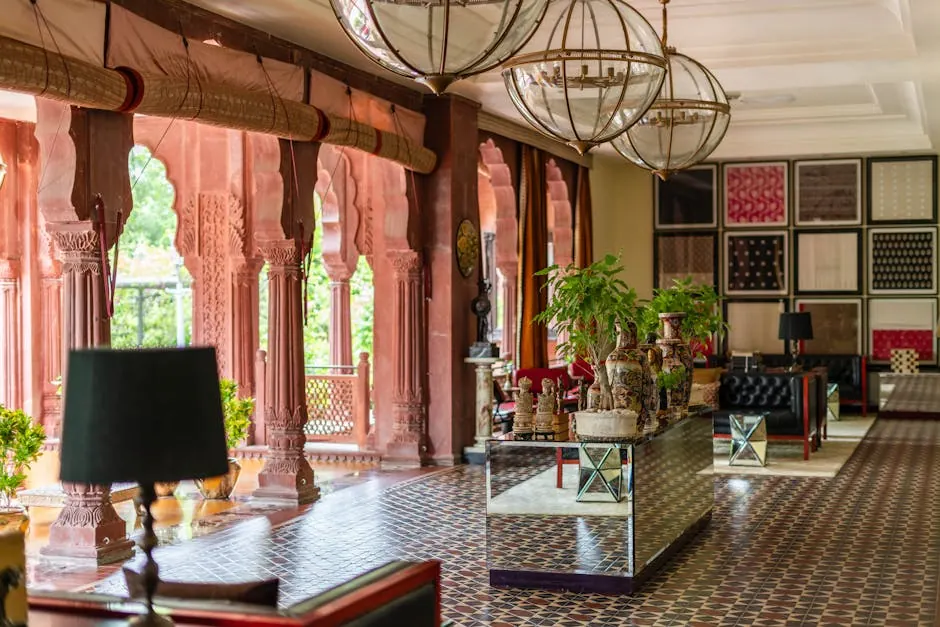
Toh Lim, the Cantonese restaurant inside Lotte Hotel World in Jamsil, is — for the right traveller — the most resonant choice on this list. The kitchen produces proper Cantonese congee in the Hong Kong tradition: silky, slow-simmered, and offered with a roster of toppings (preserved egg and lean pork, scallop, fish slice, plain ginger) that any Causeway Bay diner would recognise on sight. The rice itself is broken — soaked overnight, cracked under a wooden spoon, and simmered for several hours until the grains have surrendered their structure entirely — which is the technical distinction between Cantonese congee and Korean juk. The result is a softer, paler, more emulsified bowl. For Hong Kong patients in particular, the dish is psychologically restorative as well as digestionally appropriate; for other travellers, it is simply the cleanest congee in Seoul. The hotel setting brings the usual benefits — multilingual staff, predictable timing, the option to order in-room if the recovery day is lower-energy than expected. The dining room is set on a high floor with city views over the Han River and the eastern districts, the lighting is undramatic, and the atmosphere reads as a Mandarin Oriental in miniature, with the same restrained orchid arrangements and the same low murmur of conversation. Service will adjust salt and ginger on request, and the kitchen will, by quiet arrangement, prepare an entirely plain rice congee — bok juk, in the Cantonese rendering — that is the gentlest version of the dish in the city, and which one can finish with a few drops of soy sauce and a pinch of white pepper according to taste. The supplementary dim-sum menu is, of course, designed for fuller appetite and later in recovery; the steamed har gow and the scallop dumpling are gentle enough by day seven or eight, and the chef will steam them slightly longer on request to soften the pleated wrapper. The breakfast service runs from seven, lunch from eleven-thirty, and dinner from six; the room is rarely fully booked at off-peak hours. *Strengths: Cantonese-tradition congee; in-room service available; multilingual staff. Specialty: pei dan sau yuk juk (preserved egg and lean pork congee); plain congee. Pricing: $$$. Location*: Lotte Hotel World, Jamsil — a fifteen-minute taxi from the Apgujeong clinic district. Worth the ride, particularly for Hong Kong-trained palates.
Tea Therapy Anguk-Gangnam — gentle teas and rice-cake plates
The final entry is, strictly, a tea house rather than a restaurant — but Tea Therapy's Gangnam branch belongs on this list because it occupies a particular convalescent niche the kitchens above do not. The proposition is straightforward: a curated menu of single-herb and blended teas (chrysanthemum, jujube, ginger, ssanghwa-cha, the gentle dasik-cha series) paired with small plates of soft Korean rice cake (injeolmi, baekseolgi) and steamed pumpkin. For an afternoon between clinical appointments — when one wants neither a full meal nor a coffee that will compete with one's recovery sleep — the plates here are exactly calibrated. The room is wood-and-paper, lit indirectly, set discreetly back from the avenue with no external signage beyond a small lantern; one finds the entrance by following the address rather than by looking for the storefront. The proprietor, who is also the principal blender, is trained in Korean traditional medicine and will recommend a tea suited to the recovery brief on a quiet word — the ssanghwa-cha, an eleven-herb blend traditionally drunk after illness, is the standard suggestion for the first recovery week, and the ginger-and-jujube infusion is the suggestion for slightly later. The pumpkin plate, in particular, is among the more thoughtful late-afternoon options in Gangnam: warm, faintly sweet, lightly steamed (no added sugar), entirely undramatic, and served with a small side of pine-nut porridge that one can spoon directly from the dish. The injeolmi — fresh rice cake rolled in soybean powder — is soft enough to require no chewing, and the baekseolgi (a steamed white rice cake) is the gentlest sweetness one can introduce to a healing palate. The room is also one of the rare establishments in Gangnam where a solo diner with a book draws no special attention; the staff will refresh the tea quietly and leave the rest of the afternoon to the visitor. The room offers the kind of pause that the rest of Gangnam — vertical, layered, lit from within — rarely permits. *Strengths: medicinal-grade teas; curated soft plates; quiet room; solo-friendly. Specialty: ssanghwa-cha; ginger tea; steamed pumpkin plate. Pricing: $ to $$. Location*: Apgujeong, a short walk from Galleria Department Store. Worth a long, unhurried hour.
Comparison at a glance
The table below summarises the ten establishments on a small set of attributes likely to matter during a recovery week — the dish category, whether a mild-by-default option is on the menu, English or Mandarin support, the noise level of the room, and the notional pricing tier. None of these are formal ratings; all are editorial impressions captured across the six-week visiting window.
| # | Restaurant | Category | Mild option | Language support | Room noise | Price |
|---|---|---|---|---|---|---|
| 1 | Bonjuk Sinsa Branch | Porridge specialist | Default | EN, ZH | Moderate | $-$$ |
| 2 | Jukhyang | Artisan porridge | On request | Limited | Quiet | $$ |
| 3 | Wonjo Halmeoni Bossam-jip | Slow-cooked pork | On request | Limited | Moderate | $$ |
| 4 | Hadongkwan Apgujeong | Beef-bone broth | Default | Limited | Quiet | $$ |
| 5 | Jaha Sondubu Apgujeong | Soft tofu stew | On request | Some EN | Moderate | $$ |
| 6 | Cheongdam Sushi Aori | Sashimi omakase | On request | EN | Quiet | $$$ |
| 7 | Gaesong Mandu Goong | Dumpling broths | Default | Limited | Moderate | $$ |
| 8 | Samwon Garden | Beef-bone broth, garden room | On request | EN, JP | Quiet | $$$ |
| 9 | Toh Lim (Lotte World) | Cantonese congee | Default | EN, ZH, JP | Quiet | $$$ |
| 10 | Tea Therapy Gangnam | Tea and soft plates | Default | Some EN | Quiet | $-$$ |
“Editorial note: this selection is curated, not commercial. None of the restaurants above paid for, requested, or were aware of inclusion. The intent is to make the soft-food recovery week — a quiet but consequential part of any aesthetic-medicine trip — somewhat more graceful than the standard guidebook permits.”
Liu Mei-Hua, editor
Frequently asked questions
How soon after a regenerative procedure can I eat solid food?
The orthodox guidance — and the one most Gangnam clinicians repeat — is that the first 24 to 48 hours suit clear broths, porridges, and soft proteins. Most patients return to a fuller texture by day three or four, though spice, alcohol, and heavily fermented foods often remain on hold for a week or longer. Your treating physician's specific instruction overrides any general framing; the restaurants on this list are intended to make the soft-food window comfortable rather than to prescribe one.
Are these restaurants accustomed to international patients on recovery diets?
To varying degrees. Bonjuk Sinsa, Toh Lim at Lotte, and Samwon Garden all maintain English- and Mandarin-capable service and are familiar with the recovery-diet brief because of their proximity to clinic clusters and luxury hotels. The smaller establishments — Jukhyang, Wonjo Halmeoni, Mandu Goong — speak limited English but are entirely accommodating with a translation app and a polite explanation. None will balk at a request for less salt or a milder preparation.
Is Korean food generally compatible with post-treatment recovery?
Selectively, yes — and arguably better than many Western cuisines. Korea's culinary tradition includes a deep canon of slow-cooked broths (gomtang, seolleongtang, samgyetang), porridges (juk in many forms), and steamed soft proteins (sondubu, gyeran-jjim) that are gentle by design. The pitfalls are well-known: gochugaru, gochujang, aged kimchi, and heavily fermented sauces can irritate during the first recovery week. The restaurants above all permit a meal that sidesteps those entirely.
What about ordering food to my hotel during the first 48 hours?
Most luxury hotels along Apgujeong-ro and Cheongdam — the Conrad in Yeouido aside — maintain in-room dining that includes congee, soft soups, and steamed eggs by default. Toh Lim, listed above, offers room-service congee within Lotte Hotel World; Samwon Garden delivers across short Gangnam radii via the standard delivery applications; and Bonjuk operates on Coupang Eats, Baemin, and Yogiyo with English and Mandarin interfaces. The first 48 hours are often easier handled in-room.
Are any of these restaurants halal or vegetarian-friendly?
Tea Therapy is essentially vegetarian by composition. Jukhyang and Bonjuk both maintain vegetable porridge variants (yachae-juk, beoseot-juk) that omit meat entirely. Jaha Sondubu's white-tofu stew can be ordered vegetarian on request. None of the establishments are formally halal-certified — for a halal-specific guide, our companion piece on halal and vegan-friendly Gangnam is more useful — but the soft-food category aligns more naturally with vegetarian preparation than with strict halal compliance.
How do I find these places on a map app, given the Romanisation differences?
Naver Maps and Kakao Maps both index the Korean names cleanly; Google Maps occasionally drops a result. The reliable workflow is to copy the Korean name (e.g., Sinsa for Bonjuk Sinsa) into Naver Maps and follow the navigation. Most Gangnam taxi drivers respond more readily to the Korean name than to the Romanised version, and the major hotels along Apgujeong-ro will print the destination card in Korean on request at the concierge desk.
Are reservations necessary?
For Cheongdam Sushi Aori (omakase counter, nine seats) and Samwon Garden (the garden-side rooms), yes — book at least three days ahead, and a week if the dates fall on a weekend. Toh Lim accepts walk-ins but reservations smooth the seating. The other seven establishments accept walk-ins routinely; Hadongkwan and Mandu Goong move quickly through their lunch service and are most pleasant slightly off-peak, around 13:30 or 19:30.
Does Korean recovery culture include any specific food traditions I should know about?
The most visible is bo-yangsik — the canon of restorative foods traditionally eaten after illness, surgery, or seasonal transition. It includes samgyetang (ginseng chicken soup), juk in many forms, abalone preparations, and pumpkin dishes. Several restaurants on this list — Hadongkwan, Bonjuk, Tea Therapy — sit firmly within that tradition. The framework is cultural rather than clinical, but most Korean physicians are comfortable with it as a parallel to standard recovery dietary advice, and patients often find it psychologically helpful during the first week.