The Short Edit
Mid-Tier Hotels in Gangnam for Medical Travelers
Ten Gangnam properties — between budget and luxury — selected for the recovery-friendly attributes that matter during a medical-travel week.
Gangnam's hotel inventory reads, at first pass, as a binary — the international five-stars along Apgujeong-ro and the budget hostels east of the river. The middle, where most medical travellers actually want to be, is harder to map. It exists, generously, in a band roughly between ₩180,000 and ₩400,000 per night — properties that offer quiet floors, considered service, and the kind of operational discipline a recovery week requires, without the price ceiling of a Park Hyatt or a Conrad. The avenue between Sinsa and Cheongdam has the same quiet density I recognise from Lee Garden Three: glass towers that house something more discreet than the storefronts suggest. 呢個價位真係有得揀, a Hong Kong friend texted me, halfway through her own recovery week — and she was right, exactly. The selection that follows is editorial — ten properties I would put a colleague into during the seven to fourteen days that surround a regenerative or aesthetic procedure, when blackout curtains, room-service congee, and a lift that opens on a quiet corridor matter more than a rooftop bar. The list reads, in aggregate, as a working atlas of the mid-tier convalescent room in Gangnam — boutique to business, residence to ryokan-style — and I have arranged it as such, with the understanding that personal taste, clinic proximity, and length of stay will shift the order somewhat for any individual reader.
How this selection was made
Methodology, in matters of medical-travel hospitality, is less about thread count and more about restraint. Every property on this list was assessed across a six-week editorial window, with at least one in-person stay or site visit per hotel, and supplementary correspondence with the front-of-house manager where my own visit fell outside peak hours. The brief was specific: the hotel must suit a recovery week of seven to fourteen nights, during which a guest may be running cold, sleeping irregularly, eating soft food, and avoiding the public spaces of the building between days one and four. We looked for blackout-grade drapes; corner or higher-floor rooms that absorb less corridor noise; in-room dining that includes congee, soft soups, or steamed eggs as a default offering rather than a special request; bathtubs of useful depth (shower-only rooms were marked down for stays beyond five nights); and front desks willing to handle clinic transfers, pharmacy errands, or quiet late check-out without theatre. We weighted location: properties within a twenty-minute taxi of the Apgujeong-Cheongdam clinic cluster scored higher than those further afield, though we included two outlying choices (Jamsil and Yeouido) for travellers whose itineraries justified the ride. We weighted English- and Mandarin-language capacity: we expected at minimum a competent front desk and one supervisor on each shift able to handle a clinic-related call. We weighted service consistency over architectural ambition: a hotel where every staff member treats a recovery brief with the same discretion is more useful, on a Tuesday afternoon, than a hotel where one charismatic concierge holds the standard alone. Pricing tiers are notional — $$ for ₩180,000-280,000 per night and $$$ for ₩280,000-400,000, both at standard double-occupancy weekday rates outside peak season — and refer to a recovery-week stay rather than a single transactional night. The list holds at ten because ten is the size of a useful editorial brief; longer lists rarely survive their author's scrutiny. None of the properties below paid for inclusion; none knew this piece was being written. The editorial choice is mine alone, and the recommendations are tuned to the recovery brief rather than to the more familiar leisure brief that a Tatler Asia or a Conde Nast guide would prioritise.
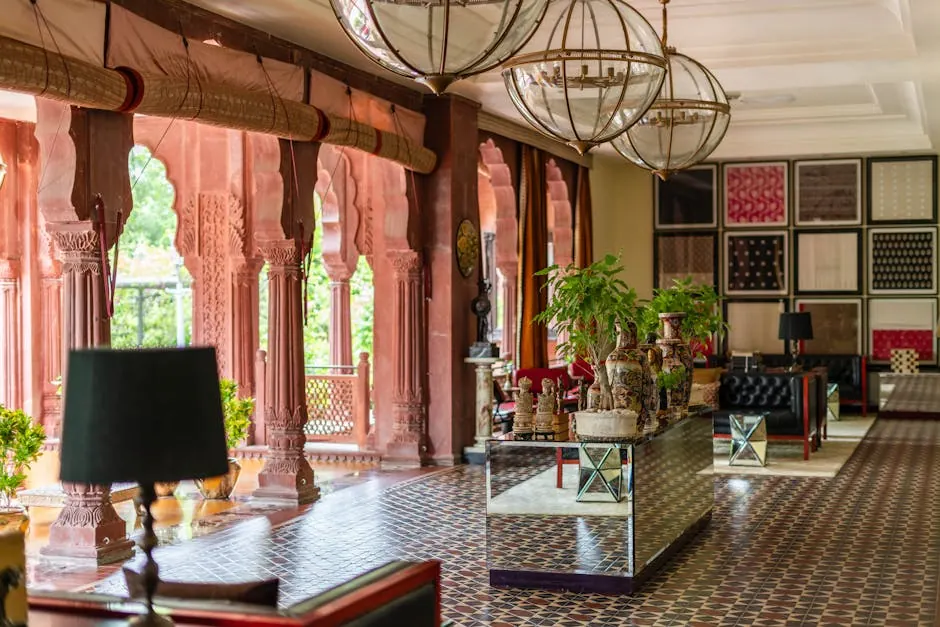
The Shilla Stay Yeoksam — the operationally disciplined default
Shilla Stay Yeoksam is the property I send first-time medical travellers to without hesitation, and it earns the position by operational discipline rather than by spectacle. The hotel is a sister brand to the flagship Shilla Seoul — the Pyeongchang-Olympics property where heads of state stayed in 2018 — and inherits the parent group's quiet competence at a notably lower price point. The rooms are mid-size by Korean standards, around 28 to 32 square metres, finished in cream and walnut, with proper blackout drapes and a tub that holds a useful eighty centimetres of water. The room — and this matters — sits behind a heavy door with a discreet privacy hanger that the housekeeping team genuinely respects, which becomes important on day two when one is still sleeping in irregular blocks. The in-room dining includes a Korean rice porridge (jeonbok-juk variant available), a clear ox-bone soup, and a steamed-egg breakfast that the kitchen will prepare without salt on request. The breakfast room, on the second floor, opens at six-thirty and runs through ten — the off-peak window between nine and ten is reliably quiet, and the staff will plate a recovery-appropriate selection (porridge, steamed vegetables, a soft-boiled egg, fruit) without comment. The location, on the southern edge of Yeoksam-dong, sits a fifteen-minute taxi from the Apgujeong clinic cluster and a ten-minute walk from Yeoksam Station's exit 5, with reliable English-language taxi support at the front desk and a printed Korean-language address card that any Seoul taxi driver will recognise on sight. The hotel's brand discipline carries through to the front desk: every supervisor I encountered across two stays handled a clinic-related question without theatre and without requiring escalation. Wi-Fi is robust enough for a video consultation; the gym is small but unhurried; the lobby reads as Mandarin Oriental in miniature, with the same restrained orchid arrangements and the same low murmur of conversation. *Strengths: operational discipline; recovery-aware in-room dining; reliable taxi support; bath-equipped rooms; sister-brand inheritance from Shilla Seoul. Specialty: clinic-week stays of seven to ten nights with predictable service; multilingual front desk. Pricing: $$$. Location*: Yeoksam-dong, southern Gangnam — fifteen minutes by taxi to the Apgujeong-Cheongdam clinic cluster, ten minutes by foot to Yeoksam Station. The default for a first-time visitor.
LOTTE City Hotel Mapo — the quiet riverside alternative
LOTTE City Hotel Mapo sits across the Han River from the Apgujeong cluster, and that geographical move is precisely what recommends it for a longer recovery stay. The property is part of the LOTTE City sub-brand — a notch below the flagship LOTTE Hotel Seoul and Lotte World, but maintained to the parent group's same operational standard — and offers a room product that punches a category above its tariff. The rooms are slightly larger than the Yeoksam comparator, around 30 to 35 square metres, with the riverside-facing rooms offering a long, slow view across the Han toward Seoul Forest and the Cheongdam skyline beyond. For a recovery week, that view becomes a small kind of medicine: long, low, slow-moving water, with the Apgujeong towers visible only as a horizon line, not as an immediate pressure. The hotel's executive lounge — accessible from a higher tier of room, and worth the upgrade for stays of seven nights or more — opens at six-thirty for breakfast and runs an evening canapé service from five-thirty that includes clear soups, soft cheese, and steamed dumplings, all of which sit gently on a recovering palate. The in-room dining menu lists congee, ox-bone broth, and a jjim variant of steamed egg that the kitchen will adjust on request. The front desk is bilingual EN/JP/ZH, the concierge will book a Kakao taxi to the Cheongdam clinic in under three minutes, and the morning rush across Mapo Bridge — the practical bottleneck for clinic-bound transfers — clears by nine-thirty, which one learns to plan around quickly. The hotel's swimming pool, on the upper floor, is one of the few mid-tier pools in Seoul that maintains a saline rather than a chlorine treatment — useful for a post-procedure week when chlorine on healing skin is best avoided. The room-service breakfast in particular — porridge, fruit, and tea served in a single tray within twenty-five minutes of ordering — is the bowl I most often suggest for the first three days, when leaving the room remains optional. *Strengths: river-facing rooms; quieter side of the river; saline-treated pool; reliable executive-lounge food. Specialty: long stays, recovery weeks of ten nights or more; saline pool for cautious skin. Pricing: $$$. Location*: Mapo-dong, north bank of the Han River — twenty-five minutes by taxi to Apgujeong, fifteen by Metro Line 5 to Yeouido. The riverside alternative.
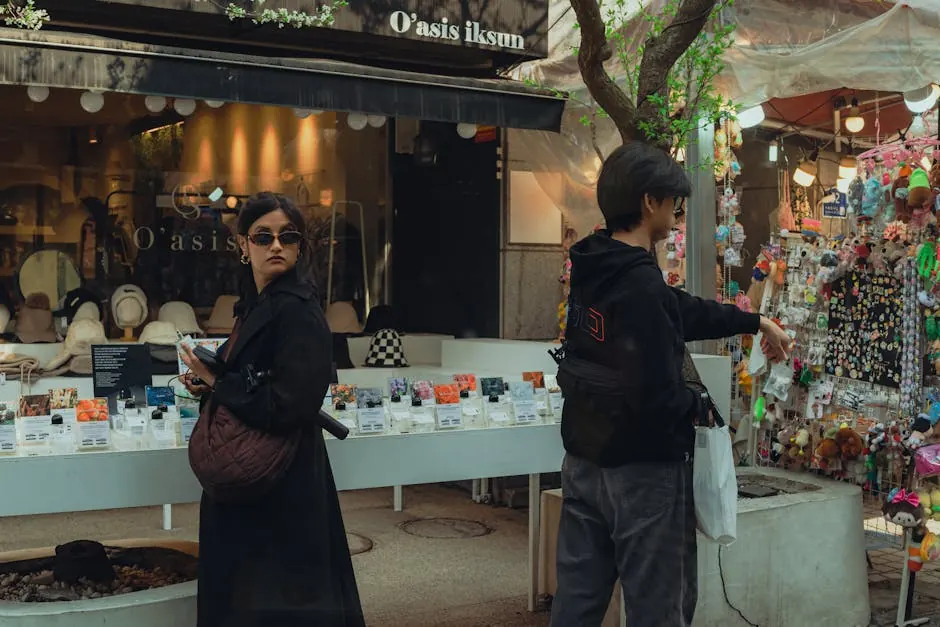
Hotel Cappuccino Gangnam — the boutique room with editorial taste
Hotel Cappuccino occupies a converted office building in Nonhyeon, between Gangnam and Sinsa stations, and is the property I send a guest to when they want a room with an opinion. The interiors are mid-century revival — chestnut panelling, low-arm leather, and indirect lighting tuned to the warmer end of the colour spectrum — and the result is the kind of room one might find in a smaller Mandarin Oriental property in Hong Kong or Bangkok, scaled down and offered at a fraction of the rate. The hotel makes a small editorial point of its sustainability programme: linens are changed only on request after the first night, the in-room amenity dispensers replace single-use plastics, and a percentage of each booking funds a charitable initiative. None of this affects the recovery brief directly, but the operational mindset that produced the programme is the same operational mindset that produces a quiet floor and a thoughtful breakfast. The rooms are smaller than the Shilla Stay comparator — around 22 to 26 square metres in standard configuration — but the ceiling height and the planning of the windows make them feel more generous than the metric suggests. Bathrooms are modestly sized but bath-equipped, with proper shower partitions and a deep enough tub for a recovery soak. The in-house restaurant, on the ground floor, prepares a competent breakfast and a thoughtful late dinner; it will not, however, prepare a recovery-specific menu in the way the Shilla Stay or LOTTE City kitchens do, and a guest in the first 48 hours will find Toh Lim's congee delivery (a fifteen-minute Coupang Eats radius) more useful than the in-room option. The hotel sits on a quieter back street rather than the Apgujeong-ro avenue, and the immediate surroundings — small bakeries, a Korean tea shop, a record store — make the short walk to a clinic appointment a more agreeable preamble than the wider arteries permit. Front-desk English is good; Mandarin and Japanese are passable. *Strengths: editorial interior; quieter side street; sustainability-led operations; warm lighting. Specialty: stays of three to seven nights; guests who prioritise atmosphere over scale. Pricing: $$. Location*: Nonhyeon, midway between Gangnam and Sinsa stations — ten minutes by taxi to Apgujeong, twelve by foot to Sinsa Station. The boutique choice.
Imperial Palace Boutique Hotel Itaewon — the courtyard-quiet residence
The Imperial Palace Boutique sits in Itaewon-dong, technically outside Gangnam proper, and is included here because the property's operating model — a small, courtyard-quiet residence with thirty-eight rooms and a near-private dining room — solves a problem the larger mid-tier hotels do not. For a recovery week of ten or more nights, the smaller property feels more like a serviced apartment than a transactional hotel, and the Imperial Palace Boutique's standard configuration includes a kitchenette, a small dining table, and a separate sitting area that several of the mid-tier comparators do not provide at the same price point. The rooms are arranged around an internal courtyard rather than a corridor, which produces an audible difference: housekeeping passes are quieter, lift traffic is reduced, and the room itself sits one acoustic layer further from the building's circulation. The hotel reads, on first impression, as the considered cousin of a larger Korean five-star — same parent group, smaller footprint, more attentive service — and the breakfast room, set in a glass-roofed wing that catches the morning sun, serves a curated buffet that includes a small recovery-friendly selection: porridge, steamed vegetables, a clear miso, fresh fruit, and a Korean barley tea. The taxi to the Apgujeong cluster runs about fifteen to twenty minutes depending on traffic across the Hannam Bridge, which is an additional consideration for a guest with multiple morning appointments — but the trade-off, for many travellers, is worth the kitchenette and the courtyard. The hotel's gym is small and underused; the spa offers a discreet Korean-style scrub that one should defer until day ten or beyond. The front desk speaks fluent English, competent Mandarin, and confident Japanese — Itaewon's historical international demographic shows in the staffing — and the property's correspondence-by-WhatsApp service for arrival logistics is, in my experience, the smoothest in this price band. *Strengths: courtyard-quiet rooms; kitchenette; small-property service intimacy; fluent multilingual front desk. Specialty: stays of ten nights or more; guests who want serviced-apartment attributes at hotel rates. Pricing: $$$. Location*: Itaewon-dong, north of the river — fifteen to twenty minutes by taxi to Apgujeong via the Hannam Bridge. The residence-style alternative.
GLAD Hotel Gangnam COEX Center — the business property with quiet upper floors
GLAD Hotel Gangnam COEX Center occupies a high-rise building near the COEX convention complex, and would not, on first appearance, suit a recovery week — the lobby moves quickly, the lower-floor rooms catch the COEX traffic noise, and the property's primary clientele is the business traveller. But the upper floors, from the eighteenth up, sit above the urban acoustic line and offer some of the quieter rooms in mid-tier Gangnam, with long views east toward Jamsil and the Lotte World Tower. For a guest who prefers a brisker, more anonymous environment to the boutique-residence model — and there are travellers for whom the smaller properties feel claustrophobic over a long stay — the GLAD's upper-floor rooms produce the right combination of urban scale and personal privacy. Request floor 18 or above at booking, ideally with an east-facing aspect; the front desk handles the request without difficulty if the booking note is clear. The rooms are 26 to 30 square metres, with mid-range finishes — neutral walls, a competent desk, a bath of standard depth — and the property's ground-floor café, which runs from six in the morning, delivers a porridge breakfast and a recovery-appropriate juice service to the room within twenty minutes of ordering. The COEX complex itself is one of the most useful adjacencies in Seoul for a stretched recovery week: the underground mall houses a Starfield Library, a multiplex cinema, a saltwater aquarium, and dozens of restaurants that include several of the soft-food kitchens worth visiting on day five or six. A guest can spend an entire afternoon in temperature-controlled, low-effort interior space without leaving the COEX building, which becomes a small kind of medicine in the third or fourth day of recovery when ambient temperature outside reads as taxing. *Strengths: high-floor quiet rooms; COEX adjacency; reliable porridge breakfast; brisk anonymous service. Specialty: business-traveller register applied to a recovery brief; high-floor request handled smoothly. Pricing: $$. Location*: Samseong-dong, COEX area — twelve minutes by taxi to Apgujeong, direct subway via Line 9 to the clinic cluster. The high-rise option.
Hotel The Designers Cheongdam — the design-led pied-a-terre
Hotel The Designers Cheongdam is, strictly, a design hotel — each room is themed by a different Korean creative agency or studio, and the variation between rooms is genuine rather than cosmetic. For most guests this is exactly the wrong fit for a recovery week (the variation produces small nightly anxieties about which room one will be assigned), but for the right guest — someone who knows the property and has stayed before, or who books a specific room number on direct correspondence with the property — it is among the more interesting mid-tier choices in Cheongdam. The rooms read as set-design pieces: one is themed around mid-century Italian furniture, another around minimalist Scandinavian woodcraft, a third around the textiles of Hahoe Village. They are smaller than most comparators (around 20 to 24 square metres) and occasionally over-styled to a degree that interferes with rest, but the better rooms — the woodcraft suite, the textile suite, and the corner room on the seventh floor with a view down Apgujeong-ro — are quietly beautiful and will photograph well in the journal one keeps during a long recovery week. The hotel's location, on a side street running parallel to Apgujeong-ro, places it within a five-minute walk of the major clinic cluster, which is the operational case in its favour: a guest who can walk to a morning appointment and walk back avoids a great deal of taxi-related friction. The ground-floor café is small but produces a competent breakfast; in-room dining is limited to a short menu that includes a porridge variant and a clear soup. Front-desk English is competent; Mandarin and Japanese are passable. The property's Wi-Fi is reliable, the lifts are quiet, and the corridors carry a low ambient music that one learns either to appreciate or to shut out by the second night. *Strengths: walkable to Cheongdam clinics; design-led interiors; corner-room sevenths; small-property intimacy. Specialty: stays of three to seven nights for guests who have stayed before; specific room-number bookings via direct correspondence. Pricing: $$. Location*: Cheongdam-dong, side street parallel to Apgujeong-ro — five-minute walk to the clinic cluster. The design pied-a-terre.
Hotel Skypark Kingstown Dongdaemun — the budget upgrade with proper bath
The Skypark Kingstown sits at the lower end of the mid-tier band — closer in nightly tariff to a competent business hotel than to a boutique — and earns its place on this list precisely because it is the most operationally serious of the budget upgrades. The rooms are not large (18 to 22 square metres) and the design is unambitious in the most literal sense — neutral walls, mid-range bedding, a competent desk and chair, a bathroom that includes a tub of useful depth and a properly partitioned shower. But the property's operating discipline punches above its tariff: the front desk is bilingual EN/JP/ZH, the housekeeping team genuinely respects the privacy hanger, the in-room dining includes a porridge breakfast that arrives within twenty-five minutes of ordering, and the lifts open on a quiet corridor rather than a circulation hub. The location, in Dongdaemun, is twenty to twenty-five minutes by taxi to the Apgujeong clinic cluster — slightly further than the central Gangnam properties — and the trade-off, for guests on a tighter budget, is worth examining honestly. The Dongdaemun area itself is one of the quieter parts of the historical city centre during the late afternoon and evening, with the underground arcade, the design plaza (DDP), and the late-night fabric markets all within walking distance, and one can construct a recovery-day promenade through a temperature-controlled urban interior that is genuinely restful. The property's breakfast room, on the ground floor, is unremarkable but produces a clean and quiet morning service; the in-room option is the more reliable for the first three days. The Wi-Fi is reliable, the night-desk runs competent English and Mandarin, and the property's correspondence-via-Kakao service is responsive across hours. *Strengths: bath-equipped budget rooms; bilingual EN/JP/ZH front desk; quieter Dongdaemun location; reliable in-room porridge. Specialty: stays of seven to ten nights at a tighter budget; first-time visitors who want capability over scale. Pricing: $$. Location*: Dongdaemun, central Seoul north of the river — twenty to twenty-five minutes by taxi to the Apgujeong cluster. The budget-upgrade choice.
Sotetsu Hotels The Splaisir Seoul Dongdaemun — the Japanese-tradition property
The Splaisir is the Seoul property of Sotetsu Hotels, a Japanese mid-tier group with roots in Yokohama, and the operating template imports a Japanese hospitality discipline that is genuinely distinct from the Korean comparators. The rooms are smaller than the equivalent Korean property would offer (around 18 to 22 square metres in standard, 24 to 28 in superior) but more efficiently planned, with the proper desk-and-bath logic of a Japanese business hotel and the small thoughtful touches — a humidifier in every room, a kettle with a Japanese green tea selection, a tatami corner in the higher-tier suites — that one rarely finds at this price band in Seoul. For a Japanese guest the property offers a familiar register; for a non-Japanese guest it offers an exposure to a different mid-tier tradition than the prevailing Korean one. The breakfast room, on the second floor, serves a Japanese-Korean hybrid morning menu: rice porridge, miso soup, grilled fish, the appropriate quiet pickles, and a small selection of Western items for variety. The in-room dining is limited but the porridge-and-miso option is dependable, and the kitchen will, on request, prepare an entirely plain rice congee with a few drops of Japanese soy sauce on the side — closer in register to the Cantonese congee tradition than the Korean juk tradition, and easier on a recovering palate during the first 48 hours. Front-desk Japanese is fluent (the property is Japanese-staffed at supervisor level), Korean is fluent, English is competent, and Mandarin is passable. The property's Kakao and LINE correspondence is excellent. *Strengths: Japanese hospitality discipline; humidifier in every room; recovery-friendly miso-and-rice breakfast; fluent Japanese front desk. Specialty: Japanese guests; non-Japanese guests interested in Japanese mid-tier service; stays of five to ten nights. Pricing: $$. Location*: Dongdaemun-gu, Eulji-ro adjacent — twenty to twenty-five minutes by taxi to Apgujeong. The Japanese-tradition choice.
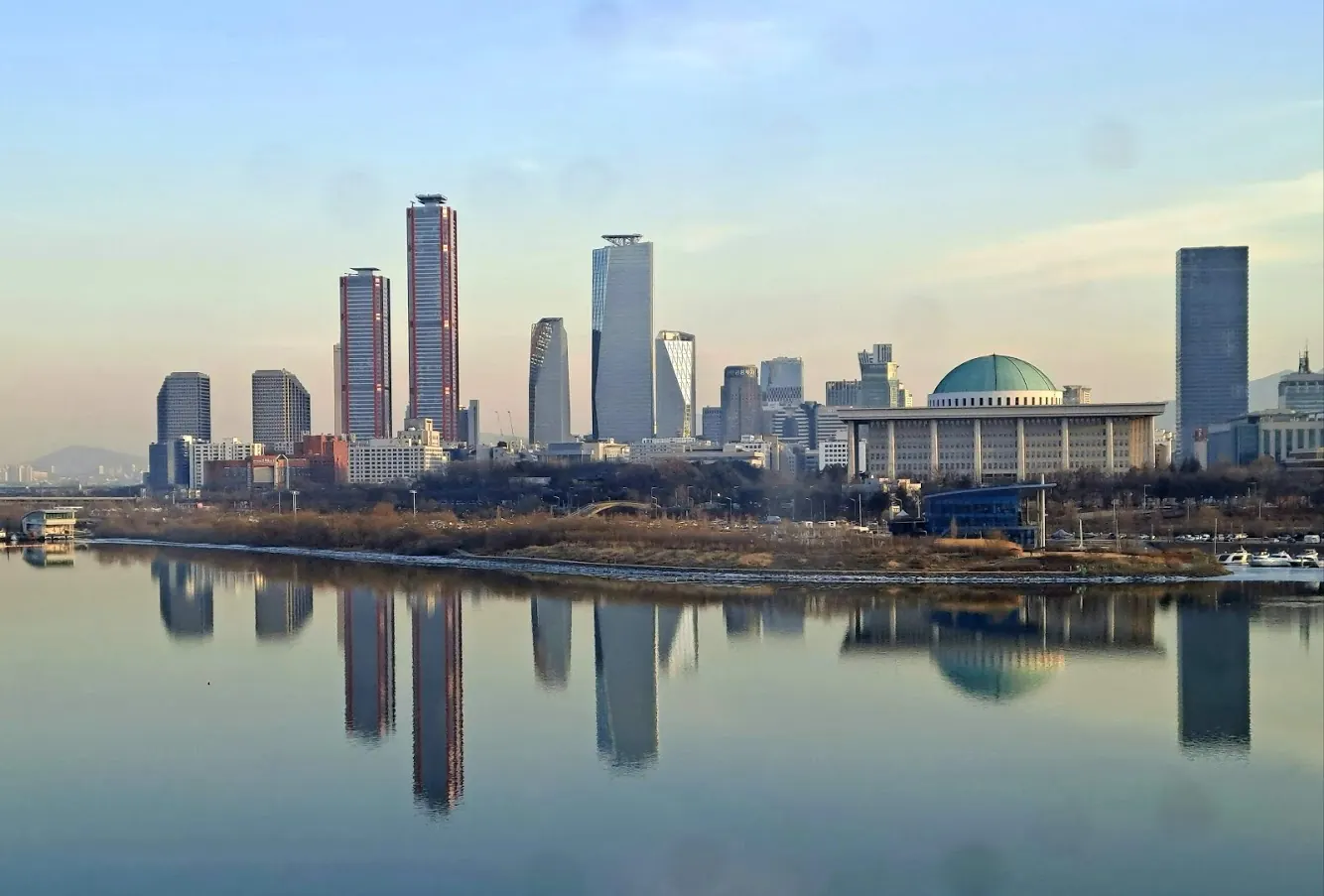
Conrad Seoul Yeouido (entry-level rooms) — the five-star at mid-tier rates
The Conrad Seoul is a Hilton five-star property and would normally fall outside this list, but the entry-level rooms — booked directly with the property at the off-peak weekday rate, and especially during the late-autumn and late-winter shoulder seasons — land within the upper edge of the mid-tier band, and the value at that rate is among the strongest in Seoul. The room product is genuinely a five-star room product: 35 to 40 square metres in entry-level, finished to international flagship standard, with views over the Han River and the Yeouido financial district. The property's recovery-relevant attributes are the ones that come standard at an international five-star — proper blackout drapes, a bath of generous depth, an in-room dining menu that includes a Hong Kong-style congee from the Cantonese restaurant on the thirty-seventh floor (Atrio is the room name, and the congee is, in my reading, the cleanest hotel congee in Seoul), and a front desk and concierge with the genuinely multinational service capacity that medical-travel insurance companies and clinic coordinators most often default to. The location, in Yeouido, places the property a thirty-minute taxi from the Apgujeong cluster — further than the central Gangnam comparators — and the trade-off becomes the Yeouido recovery-promenade: the river park along the Han, the Saetgang ecological park, and the quiet office-district streets at off-hours offer a pace that the Apgujeong-Cheongdam axis does not. The breakfast room, on the thirty-seventh floor, opens at six and runs through ten-thirty; the off-peak window between nine-thirty and ten produces the quietest service. The hotel's executive lounge, accessible from a higher tier of room or via a direct upgrade purchase, runs an evening canape service from five-thirty that is among the most thoughtful in this category. *Strengths: five-star room product at off-peak mid-tier rates; Cantonese congee from Atrio; Yeouido river-park promenade adjacency. Specialty: stays of seven to fourteen nights when off-peak weekday rates align; insurance-coordinated medical travel. Pricing: $$$ (off-peak only — peak rates exit this band). Location*: Yeouido, west bank of the Han River — thirty minutes by taxi to Apgujeong via the Mapo Bridge. The off-peak five-star.
Stay 8 Apgujeong — the small serviced-apartment alternative
The final entry is, strictly, a serviced-apartment property rather than a hotel, but Stay 8 Apgujeong belongs on this list because it occupies a particular niche the conventional mid-tier hotels do not. The proposition is straightforward: thirty-six fully serviced studio and one-bedroom apartments in a converted residential building near Apgujeong Rodeo, each with a kitchenette of useful capacity (induction hob, microwave, full-size refrigerator), a separate sitting area, and a washer-dryer arrangement that becomes consequential on a stay beyond ten days. For a guest whose recovery week extends to fourteen days or longer — and many regenerative-medicine and aesthetic-medicine itineraries do — the serviced-apartment model produces a different rhythm than the hotel model: one cooks the simpler meals oneself (steamed eggs, a bowl of porridge, a clear vegetable soup), one launders the recovery-week clothes one packs, and one constructs a domestic routine that the hotel's room-service rhythm cannot replicate. The property's furnishings are mid-tier rather than design-led — sensible neutral palettes, competent built-in storage, a bedroom that closes off cleanly from the sitting area — and the operational discipline is consistent: housekeeping is on a four-day rotation by default with daily towel changes, the building's lift opens on a quiet vestibule rather than a public corridor, and the front desk runs competent English and Mandarin during business hours, with after-hours coverage by Kakao and WhatsApp. The location, on a residential side street five minutes from Apgujeong Rodeo Station, is among the most operationally useful on this list: walking distance to the major clinic cluster, two minutes from a 24-hour convenience store, six minutes from a Lotte Mart for the kitchenette, and ten minutes from Galleria Department Store's grocery floor for higher-end provisioning. The property is also one of the few in this band where a longer-stay weekly or fortnightly rate produces a meaningful discount on the nightly. *Strengths: kitchenette and washer-dryer; long-stay rates; quiet residential street; walking radius to Apgujeong clinic cluster. Specialty: stays of fourteen days or longer; guests constructing a domestic routine for the recovery period. Pricing: $$. Location*: Apgujeong-dong, residential side street — five-minute walk to Apgujeong Rodeo Station and the clinic cluster. The serviced-apartment alternative.
Comparison at a glance
The table below summarises the ten properties on the small set of attributes most likely to matter during a medical-travel recovery week — the property type, the typical nightly rate band at off-peak weekday rates, the bath-equipped status of standard rooms, in-room dining suitability for the first 48 hours, multilingual front-desk capacity, and the taxi distance to the Apgujeong-Cheongdam clinic cluster. None of these are formal ratings; all are editorial impressions captured across the six-week visiting window.
| # | Hotel | Type | Bath | Recovery in-room dining | Languages | Taxi to Apgujeong | Price |
|---|---|---|---|---|---|---|---|
| 1 | Shilla Stay Yeoksam | Mid-tier business | Yes | Default | EN, ZH, JP | 15 min | $$$ |
| 2 | LOTTE City Hotel Mapo | Mid-tier business | Yes | Default | EN, ZH, JP | 25 min | $$$ |
| 3 | Hotel Cappuccino Gangnam | Boutique | Yes | On request | EN | 10 min | $$ |
| 4 | Imperial Palace Boutique | Small residence | Yes | Default | EN, ZH, JP | 15-20 min | $$$ |
| 5 | GLAD Hotel COEX Center | High-rise business | Yes | Default | EN | 12 min | $$ |
| 6 | Hotel The Designers Cheongdam | Design boutique | Some rooms | On request | EN | 5 min walk | $$ |
| 7 | Skypark Kingstown Dongdaemun | Budget upgrade | Yes | Default | EN, ZH, JP | 20-25 min | $$ |
| 8 | Splaisir Seoul Dongdaemun | Japanese mid-tier | Yes | On request | JP, KR, EN | 20-25 min | $$ |
| 9 | Conrad Seoul Yeouido (off-peak) | Five-star at mid-tier rate | Yes | Default | EN, ZH, JP | 30 min | $$$ |
| 10 | Stay 8 Apgujeong | Serviced apartment | Yes | Self-catered | EN, ZH | 5 min walk | $$ |
“Editorial note: this selection is curated, not commercial. None of the hotels above paid for, requested, or were aware of inclusion. The intent is to make the mid-tier choice — a quiet but consequential bracket of any aesthetic-medicine itinerary — somewhat more graceful than the standard guidebook permits.”
Liu Mei-Hua, editor
Frequently asked questions
What is the typical nightly rate for a mid-tier Gangnam hotel during a recovery week?
The mid-tier band sits roughly between ₩180,000 and ₩400,000 per night at off-peak weekday rates, with the lower end occupied by the budget-upgrade properties (Skypark Kingstown, Hotel Cappuccino, Hotel The Designers) and the upper end by the five-star-at-mid-tier-rate option (Conrad off-peak) and the small residences (Imperial Palace Boutique, Shilla Stay Yeoksam). For a seven-night stay, expect a total in the range of ₩1.4 to ₩2.8 million depending on property tier, room category, and season.
Which hotels are closest to the Apgujeong-Cheongdam clinic cluster?
Hotel The Designers Cheongdam and Stay 8 Apgujeong are within walking distance — five minutes by foot. Hotel Cappuccino Gangnam is ten minutes by taxi. The Shilla Stay Yeoksam, GLAD Hotel COEX Center, and Imperial Palace Boutique sit at twelve to twenty minutes by taxi. The LOTTE City Mapo, Skypark Kingstown Dongdaemun, and Splaisir Dongdaemun are twenty to twenty-five minutes; the Conrad Seoul Yeouido is thirty minutes — all manageable for daily transfers, but factor the morning-rush congestion into appointment timing.
How important is in-room dining for the first 48 hours of recovery?
In my reading, it is the single most useful operational attribute during the early window. Most patients prefer not to leave the room during days one and two, when sleep is irregular and appetite is partial. Hotels with porridge, soft soups, or steamed-egg breakfasts as a default in-room dining offering — Shilla Stay Yeoksam, LOTTE City Mapo, GLAD COEX, Imperial Palace Boutique, Skypark Kingstown, and Conrad Yeouido — make these days substantially easier than the boutique alternatives where the in-room option is more limited.
Are these hotels accustomed to international medical travellers?
To varying degrees. Shilla Stay Yeoksam, LOTTE City Mapo, and Conrad Yeouido all maintain insurance-coordinated medical-travel desks and are familiar with the recovery-week brief because of their proximity to the major hospitals and clinic coordinators. The Imperial Palace Boutique and Splaisir are operationally accustomed to international guests but less specifically to medical travel. The boutique and serviced-apartment properties — Hotel Cappuccino, Hotel The Designers, Stay 8 — handle medical travellers competently when given context, but the brief is not a default category for them.
Which property suits a stay of fourteen days or longer?
Stay 8 Apgujeong, with its kitchenette and washer-dryer, is the operational default for stays beyond ten days. The Imperial Palace Boutique offers a similar serviced-apartment register at a higher tariff, and the Conrad Seoul Yeouido at off-peak rates becomes economically viable for fourteen-night stays when the daily rate breaks even with a serviced-apartment alternative. For shorter stays of seven to ten nights, the Shilla Stay Yeoksam and LOTTE City Mapo are the cleanest defaults.
Are any of these properties bookable directly without a third-party platform?
All ten accept direct booking via their own websites or by email and WhatsApp correspondence. The Conrad Seoul Yeouido and Shilla Stay Yeoksam offer the strongest direct-booking incentives — typically a 5 to 10 per cent discount on the published rate, plus complimentary breakfast — when booking direct rather than via OTA. The serviced-apartment property Stay 8 is a direct-only booking. Splaisir and Imperial Palace Boutique honour direct-booking corporate codes that any travel agent should be able to share.
What about late check-out for travellers with afternoon flights after a clinic appointment?
Most properties on this list extend a complimentary one-hour late check-out (to 12:00 or 13:00) on request, and a paid extension to 16:00 or 18:00 at half the daily rate is generally available. The Shilla Stay Yeoksam and the Conrad Seoul Yeouido are the most flexible on this point. The Imperial Palace Boutique handles late departure as a matter of course given the small-property service register. For an evening flight, the hotel will hold luggage and offer a freshening-up suite in many cases — request this with the front desk on the morning of departure rather than the day before.
Does a hotel's executive lounge actually matter during recovery?
Selectively, yes. The lounge becomes useful on day three or four when one is ready to leave the room but not yet ready to leave the building, and the canape service that several of these hotels run from five-thirty (LOTTE City Mapo, Conrad Yeouido) provides a soft-food option that beats most outside dining at that point in the recovery week. The executive lounge is also a more discreet space than the main breakfast room, which matters for guests who prefer not to be observed in their healing visible state. Worth the upgrade for stays of seven nights or longer.